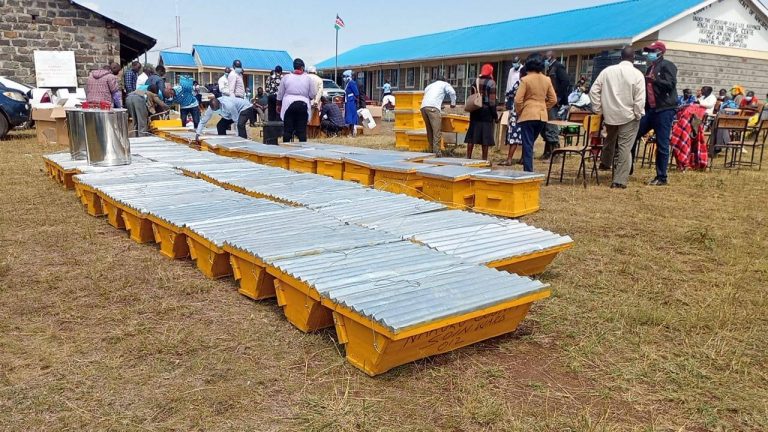

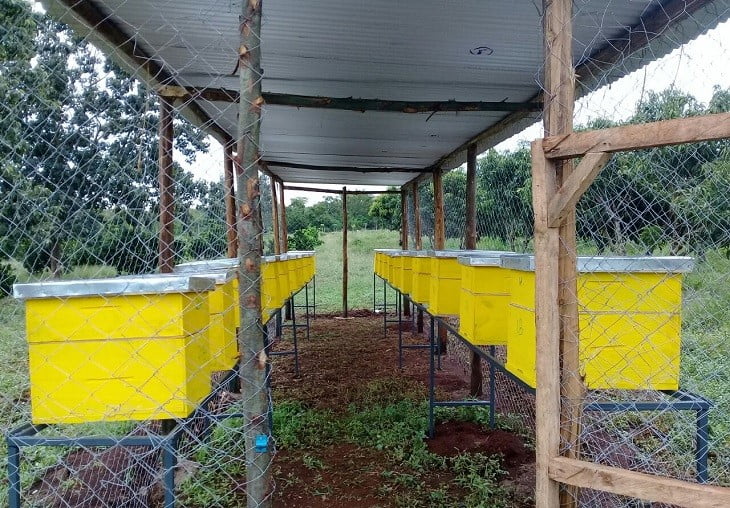
Modern beekeeping has undergone a significant transformation over the years, shifting from the traditional practice of keeping bees in forests and remote areas to integrating apiaries within homesteads and farming compounds.
This evolution has also seen major advancements in hive technology, with traditional beehives increasingly being replaced by modern designs tailored to improve productivity, efficiency, and sustainability. Among these, the Langstroth beehive has emerged as one of the most widely recognized and preferred options for beekeepers globally.
Renowned for its durability and efficiency, the Langstroth hive has stood the test of time and remains a staple in modern apiculture. Its design offers several advantages that make it unique, particularly in enhancing honey production while safeguarding bee colonies.
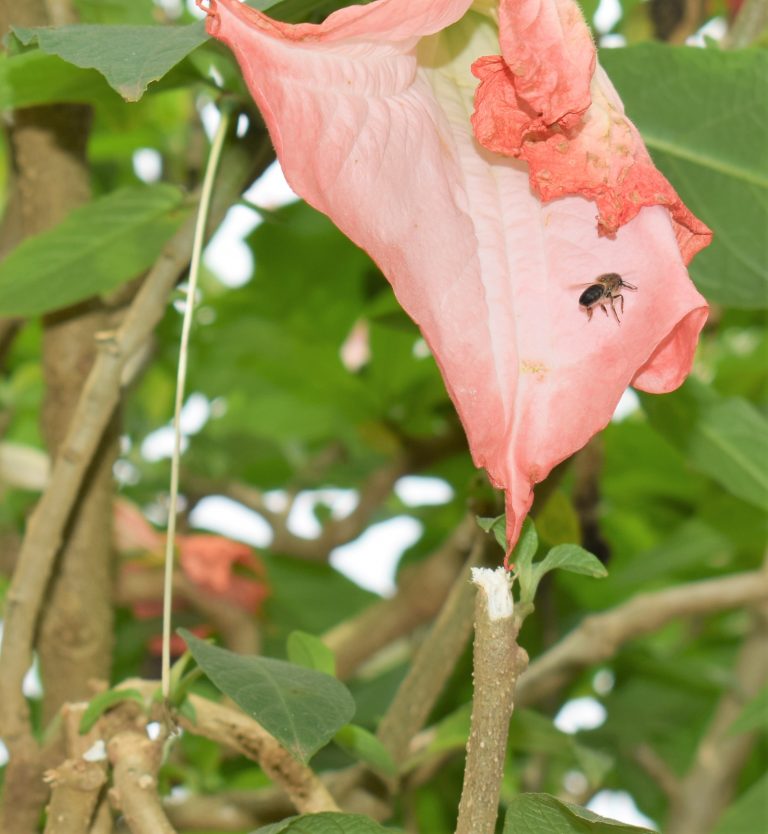
Research by the Food and Agriculture Organisation (FAO) indicates that bees housed in enclosed environments, such as beehives, produce more honey compared to those nesting naturally in open fields. Langstroth hives are specifically engineered to minimize harm to bees during harvesting, ensuring sustainable honey production by reducing the need for repeated hive colonization.
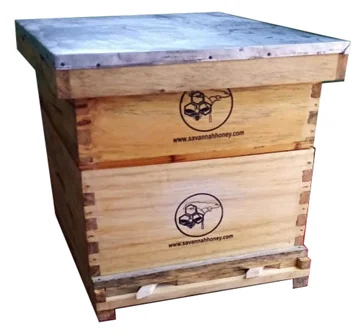
Additionally, these hives provide a well-structured environment that protects colonies from pests such as rodents, mice, and ants, while also making hive management easier for beekeepers.
Key Components of a Modern Langstroth Hive
A Langstroth hive is made up of several essential parts designed to optimize bee health and honey production:
- Outer Cover: Commonly made of aluminium, this protective cover shields the hive from harsh weather conditions. Migratory wooden lids are also used as a cheaper alternative, though they offer less protection.
- Inner Cover (Optional): Particularly useful in areas with severe cold, it provides additional insulation and makes it easier to remove the outer cover when bees produce excess propolis.
- Honey Supers: These compartments house ten frames where bees store honey. Beekeepers commonly prefer medium or shallow supers.
- Queen Excluder: This screened barrier prevents the queen from laying eggs in honey storage sections by restricting her to the lower brood boxes.
- Brood Chamber: This is where eggs, larvae, and pupae develop, alongside stored nectar and pollen for feeding young bees.
- Entrance Reducer (Optional): Helps protect weak colonies from attacks or theft and provides insulation during cold seasons.
- Bottom Board: Available as either screened or solid, depending on climatic needs, it forms the base of the hive and influences ventilation and pest control.
- Hive Stand: Elevating the hive approximately 18 inches off the ground protects it from predators and reduces moisture buildup.
Specialized Innovations for Modern Beekeepers
Manufacturers are increasingly customizing Langstroth hives to maximize productivity and colony safety.
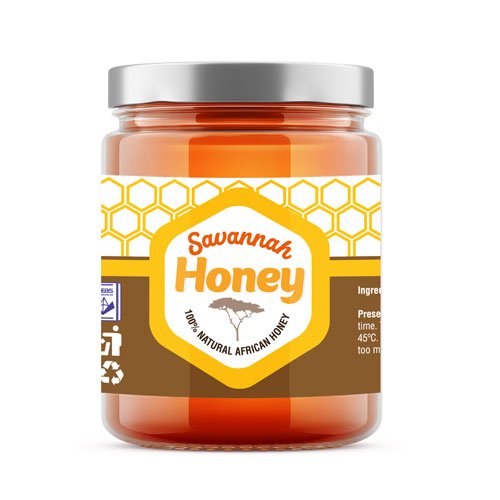
Mr. Kyalo Maveke, CEO of Savannah Honey, says their company designs Langstroth hives specifically to meet the demands of contemporary beekeeping.
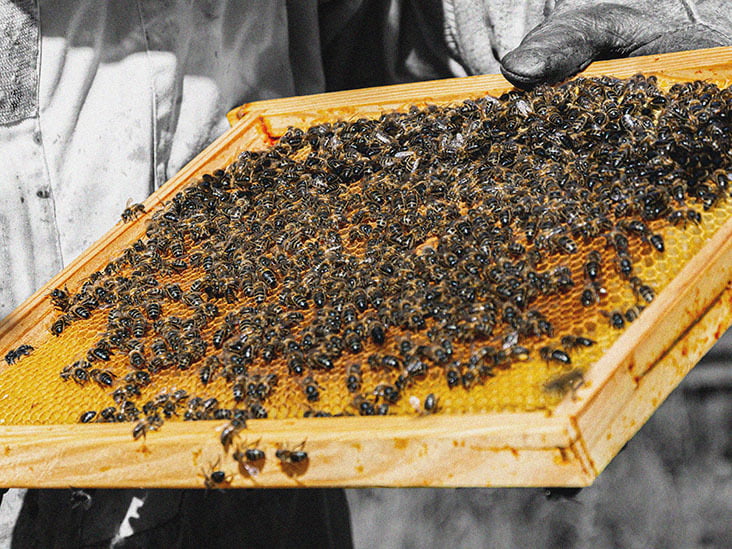
“Since the Langstroth beehives already have a wax coating, they make the process of hive colonization easy, since the creation of honeycombs has been facilitated. The internal structure of the hive, particularly how the frames are designed, mimics nature, helping in comb-making. As a beekeeper, you get to work with a compact space that can be tiled high, enabling you to have more bees in a single hive,” says Maveke.
He notes that Savannah Honey’s Langstroth hives are fitted with treated comb starters that attract bees while guiding proper comb construction. The company also uses treated pine wood to enhance durability.
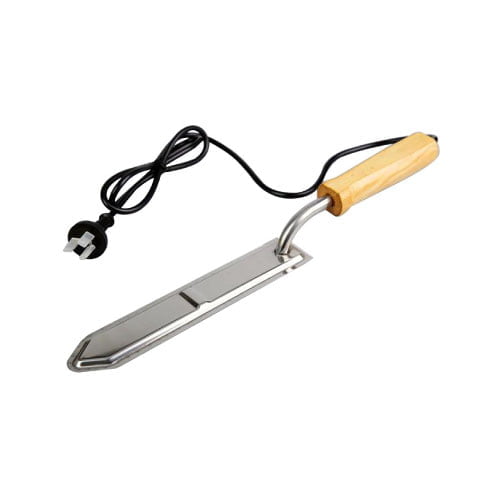
“Our Langstroth hives help you to harvest your honey without killing the queen because of the queen excluder, thus no absconding. You can also harvest without destroying the combs by using a honey extractor; therefore, no time is wasted making new combs. One can harvest 3-5 times a year, leading to high yields of honey,” he adds.