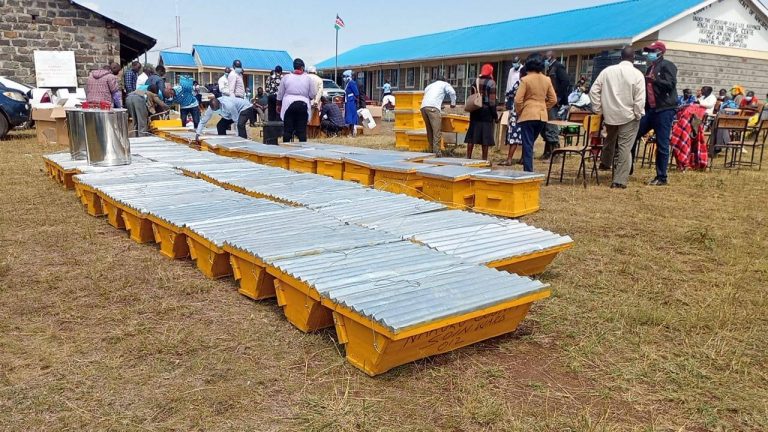

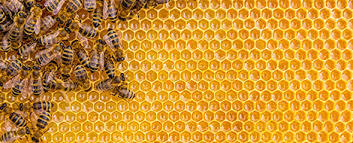
Modern beekeeping is increasingly emerging as a viable commercial venture, driven in part by the adoption of improved equipment designed to enhance efficiency, safety, and product quality. This article continues a series examining the tools shaping contemporary apiculture.
Beekeeping Suit
Safety remains a critical concern during honey harvesting and routine hive maintenance, particularly given the aggressive nature of African tropical bees. In the past, beekeepers relied on improvised protective gear, often with limited success.
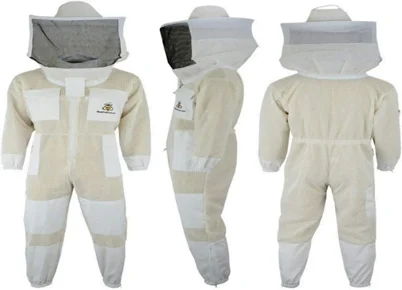
Today, purpose-built suits offer comprehensive protection. “Our beekeeping suits are designed to protect you when coming into close contact with bees, covering you from head to toes. Made from exceptional material, the suits, which are derived from cotton and polyester fibres, also ensure your comfort during usage. The suits also have pockets enabling you to store requisite items when in use. In addition, the suit is fitted with elastic bands to seal off any entry points for bees, guaranteeing your safety during usage, as the bees cannot come into contact with your skin surface. With a well-ventilated design, you can be sure of relative comfort under our Kenyan sweltering sunny conditions, as you work on the apiary. Moreover, with appropriate openings, you can use the mesh-fibre freely when in need. The lightweight design also adds a layer of comfort to the farmer as you use it for safety,” says Mr. Kyalo Maveke, CEO of Savannah Honey, a company that deals with modern beekeeping equipment.
Beekeeping Gloves
Hand protection is equally essential during beekeeping operations. Savannah Honey manufactures gloves using cowhide, offering durability and resistance against stings. The gloves are ventilated to reduce sweating in hot conditions and come in various sizes for a proper fit.
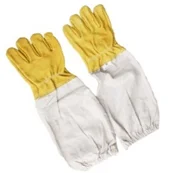
They are also designed with extended arm protection to prevent bees from entering through sleeves. A canvas layer provides additional reinforcement, while a thinner goatskin option is available for tasks requiring greater precision.
Honey Bucket
The honey bucket, a 20-litre plastic container, plays a key role during harvesting and post-harvest handling. It allows for hygienic collection and transportation of honey from the hive to the processing area.
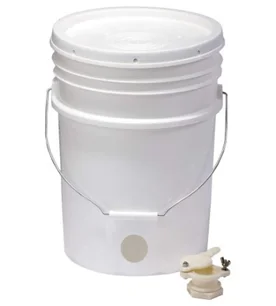
Equipped with a secure lid and a honey gate that functions as a tap, the bucket minimizes wastage during transfer. Made from food-grade plastic, it is easy to clean and features a slip-proof metallic handle for ease of movement.
Uncapping Fork
Constructed from stainless steel, the uncapping fork is used to scrape honey and access difficult areas within the hive. Its design enables farmers to extract honey more thoroughly.
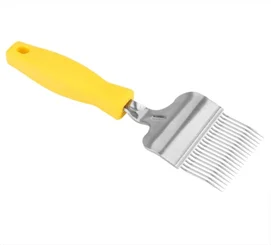
The tool features a plastic handle for a firm grip and ease of cleaning. It is also useful for removing wax caps from combs, facilitating inspection and maintenance.
Beekeeping Brush
The beekeeping brush is a simple yet essential tool used during hive inspections. With soft but durable bristles and a wooden handle, it allows beekeepers to gently remove bees from combs without causing harm.
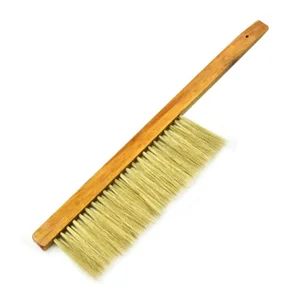
Measuring approximately 35 centimetres in length, with 7-centimetre bristles, it enables efficient handling of bees across entire comb surfaces.
Uncapping Tab
The uncapping tab is designed to simplify the process of removing wax caps during harvesting. Built from durable materials, it is intended for long-term use and can be fitted with a honey gate for improved functionality.
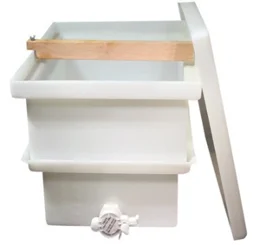
Weighing about eight kilograms, the tool is constructed with thick components to ensure durability.
Hive Scraper Tools
This two-piece stainless steel tool serves multiple purposes in hive maintenance. One end features a curved edge for lifting frames during harvesting or inspection, while the other has a flat surface for cleaning honey and propolis from frames.
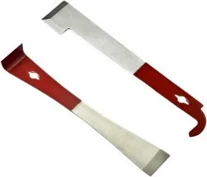
It can also be used to pry apart hive components stuck together with propolis. However, caution is advised to avoid damage when excessive force is applied.
Plastic Needle Roller
The plastic needle roller is used during the extraction process to perforate honeycomb cells. It features a wooden handle for grip and soft plastic tips that are rolled gently over the comb.
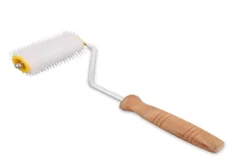
Used alongside an uncapping fork, it helps prepare combs for easier honey extraction without causing significant damage.
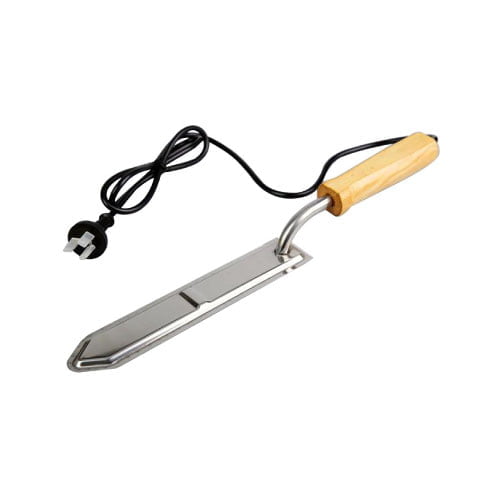
Electric Uncapping Knife
This tool is fitted with a built-in thermostat to regulate temperature during use. It is designed to remove wax caps and hardened honey from frames efficiently.
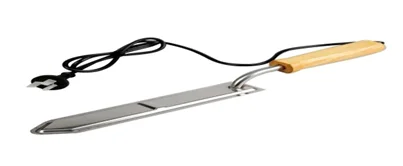
The knife heats up quickly, allowing it to cut through solid wax and crystallized honey. Users are advised to exercise caution to prevent burns.
Scraper Tool
Weighing approximately 500 grams, the scraper tool is used to remove propolis, dirt, and other debris from hive surfaces. Made from durable ABS plastic, it is suited for rigorous use.
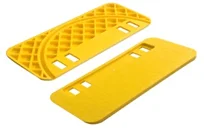
It is also effective in opening hive covers due to its sturdy construction and works well alongside other beekeeping equipment in maintaining cleanliness and hygiene.