
By Kimuri Mwangi
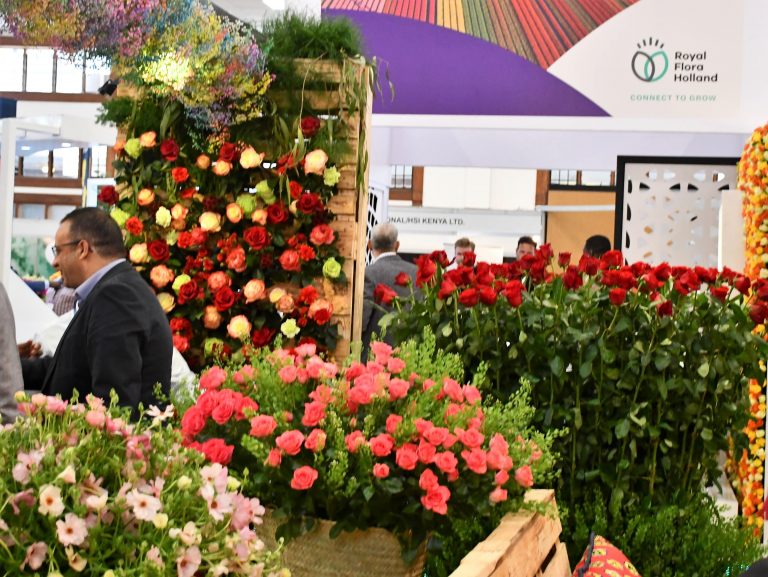
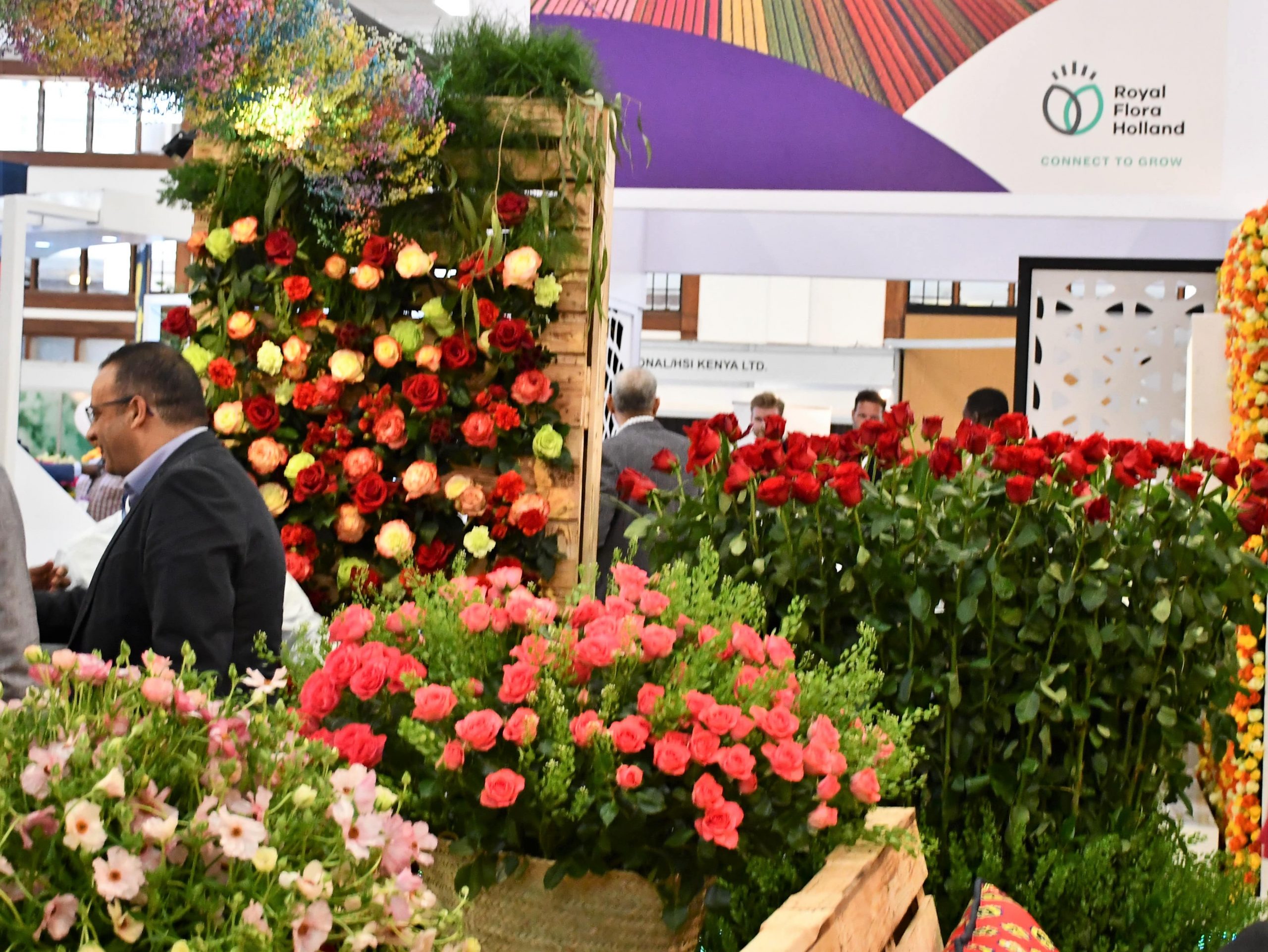
Nairobi will host the 13th edition of the International Floriculture Trade Expo (IFTEX) from June 2 to 4, 2026, bringing together growers, exporters, buyers, regulators and suppliers from across the global flower industry at a time when Kenya’s floriculture sector is experiencing both strong growth and mounting operational pressures.
Organisers say this year’s exhibition has recorded its highest participation yet, underlining Kenya’s growing influence in the international flower trade despite rising freight costs, geopolitical uncertainty and tightening sustainability requirements in export markets.
During the IFTEX 2026 press launch, HPP Exhibitions and IFTEX Chief Executive Officer Dick van Raamsdonk said the number of exhibitors had risen from 189 last year to a record 210 in 2026, representing a 10 percent increase.
“IFTEX has become a true barometer for the global flower trade, and what we are seeing today is very positive for Kenya,” said van Raamsdonk. “Almost 20 percent of this growth consists of new growers, which reflects long-term investment confidence in Kenya as a global production base for cut flowers.”
He noted that exhibitor numbers had grown significantly since the COVID-19 pandemic, rising from 159 exhibitors in 2023 to 210 this year.
Van Raamsdonk said Kenya, alongside Colombia and Ecuador, remains among the world’s top three cut flower-producing countries and continues to dominate the African floriculture market. He added that IFTEX had evolved into one of the top five specialised cut flower trade fairs globally.
The exhibition comes as Kenya’s flower industry continues to cement its position as one of the country’s leading foreign exchange earners and a major source of employment.
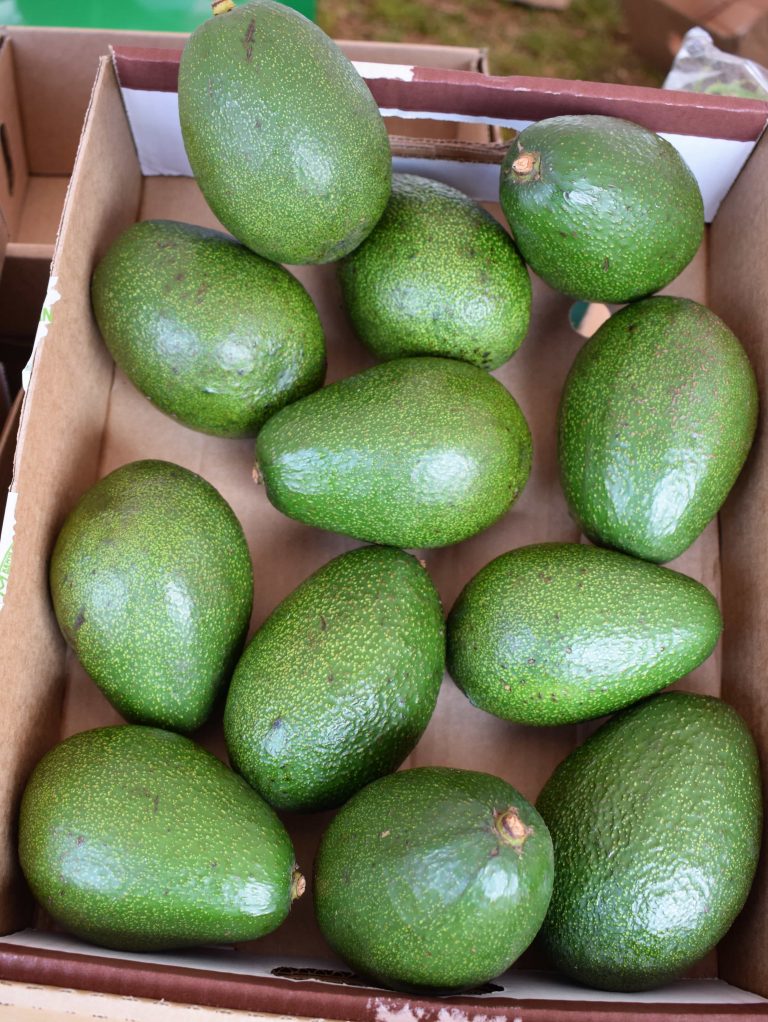
According to the Horticultural Crops Directorate (HCD), Kenya exported 457,700 tonnes of horticultural produce worth KES143.78 billion in 2025. Cut flowers accounted for 62 percent of the total export value, followed by fruits at 19 percent, vegetables at 15 percent and medicinal and aromatic plants at four percent.
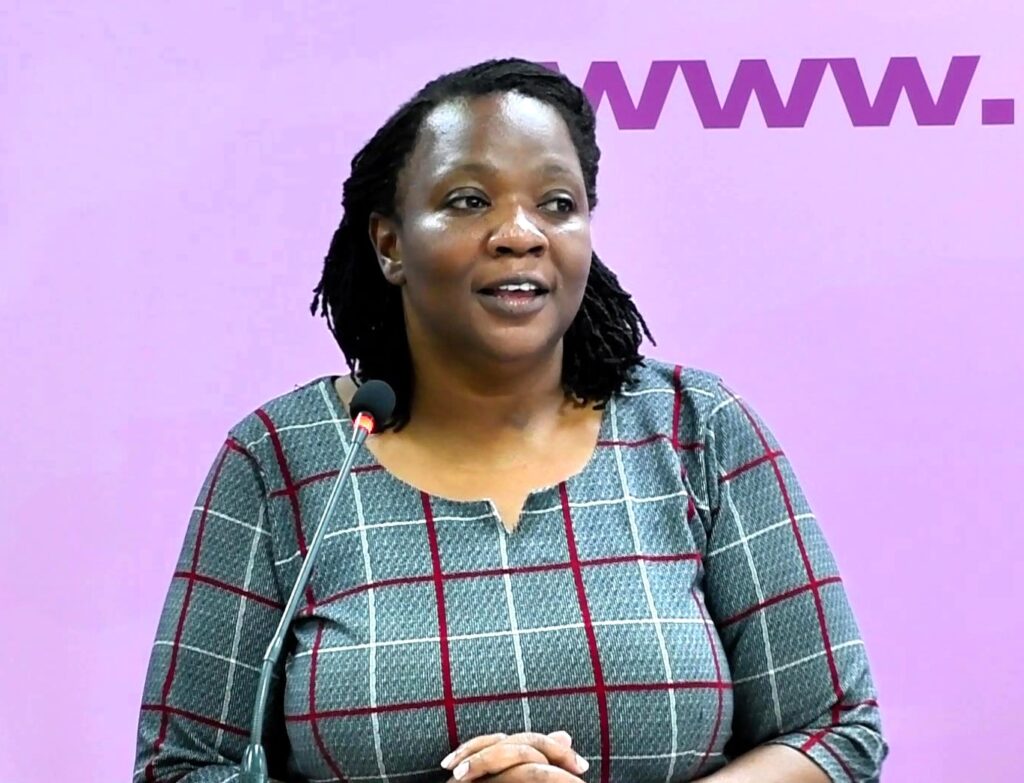
HCD Principal Market and Product Development Officer Isdorah Odundo said the floriculture industry currently supports more than 150,000 jobs directly and indirectly, with women and youth forming a significant share of the workforce.
“The flower industry remains the star sub-sector within the horticulture sector,” said Odundo.
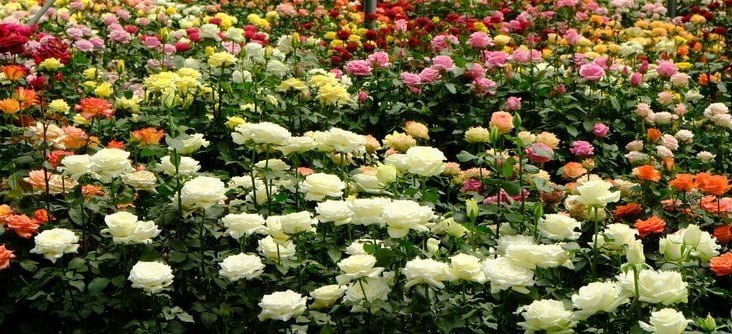
Kenya’s floriculture industry is globally recognised for high-quality flower production, particularly roses, which account for approximately 69 percent of total flower exports. The country also produces carnations and summer flowers across 21 counties under greenhouse and open-field systems.
More than 90 percent of production is undertaken by medium and large-scale growers, while smallholder farmers mainly focus on summer flowers marketed through export consolidators.
The European Union remains Kenya’s principal export market, with the Netherlands serving as the leading destination through the Aalsmeer Flower Auction and direct supermarket channels. In 2025, Kenya exported flowers to 143 destinations worldwide, with the top 10 markets accounting for 87 percent of export value.
HCD data show that flower export earnings rose from KShs72.1 billion in 2024 to KShs81.3 billion in 2025, while export volumes increased from 102,500 tonnes to 130,600 tonnes.
Other key export destinations include the United Kingdom, Germany, Kazakhstan, Australia and Middle Eastern countries, alongside emerging markets such as Italy, South Africa, France, Japan, Qatar, Kuwait, Kyrgyzstan, Sweden, Oman and Iraq.
The Kenya Flower Council (KFC) estimates the wider flower industry generated approximately KES110 billion in export earnings in 2025, contributing about 1.5 percent directly to Kenya’s Gross Domestic Product.
KFC Head of Membership Engagement and Communication Lina Jamwa said the sector supports more than 200,000 direct jobs and sustains over one million livelihoods across farms, logistics, cargo handling and retail operations.
“Over 60 percent of the workforce in the flower industry is women,” said Jamwa. “This means the flower sector is not simply an export industry. It is one of Kenya’s largest platforms for social and economic empowerment, particularly in rural communities.”
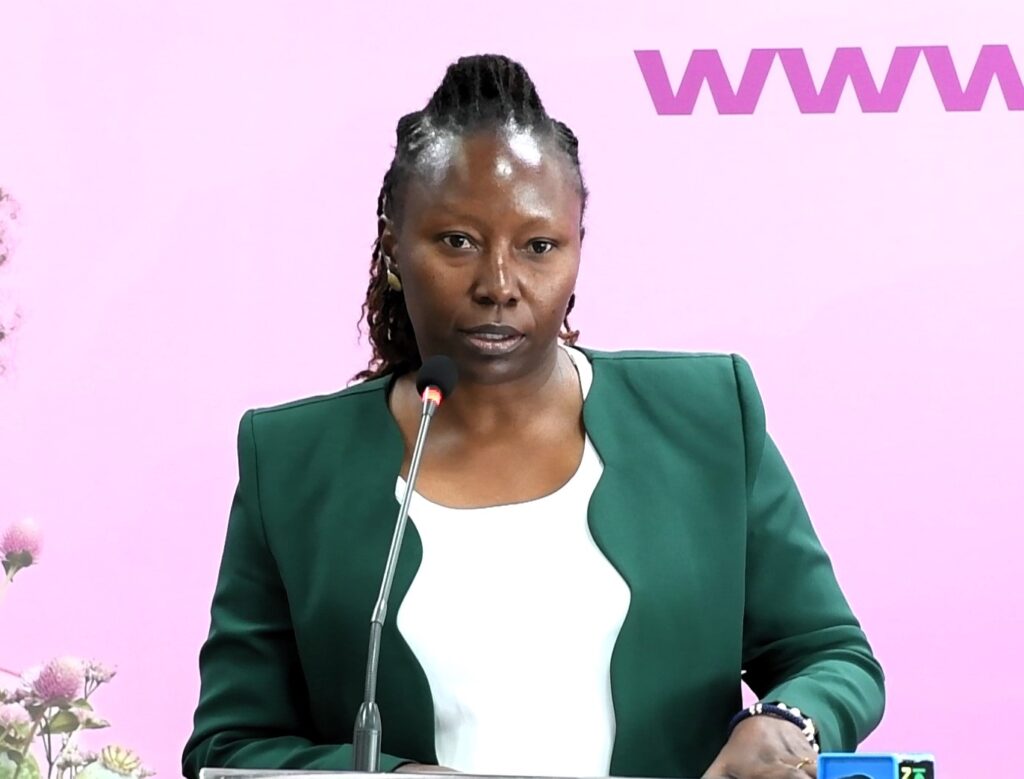
Jamwa said Kenya exports flowers to more than 60 countries globally and remains Africa’s largest flower exporter and the leading exporter of cut flowers to the European Union.
Industry stakeholders attribute Kenya’s competitiveness to favourable climatic conditions, advanced logistics systems and investment in technology and sustainability standards.
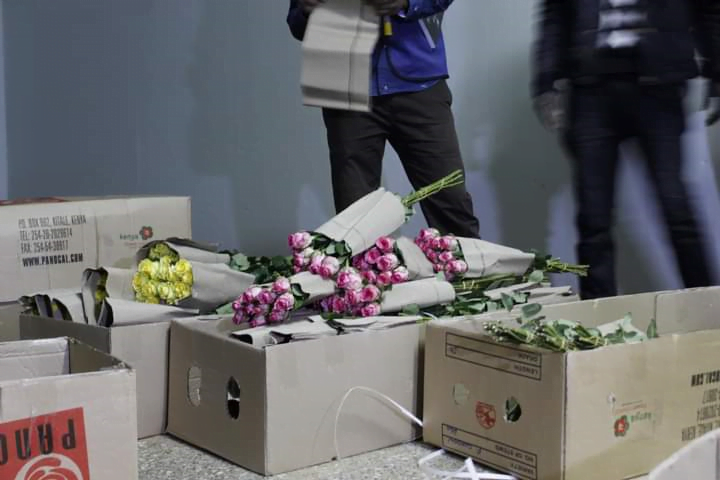
A flower harvested in Naivasha can reach European supermarket shelves within 24 hours through Jomo Kenyatta International Airport, Africa’s leading fresh produce cargo hub.
Kenyan flower farms have also increasingly adopted advanced greenhouse systems, precision irrigation technologies, digital traceability platforms and climate-smart farming practices.
The Kenya Flower Council’s Flowers and Ornamentals Sustainability Standard (F.O.S.S.) has emerged as a key certification system aimed at assuring international buyers of ethical and sustainable production practices.
According to KFC, more than 92 percent of member farms now apply integrated pest management systems, over 85 percent use efficient irrigation technologies, and more than 60 percent have adopted renewable energy solutions.
However, industry players warned that the sector is facing one of its most difficult operating environments since the COVID-19 pandemic.
Jamwa said escalating fuel prices, geopolitical tensions in the Middle East, global supply chain disruptions and rising farm input costs were placing significant pressure on growers and exporters.
Air freight costs, considered the lifeline of the industry, have reportedly risen from about USD3.10 per kilogram to nearly USD5 per kilogram, representing an increase of more than 60 percent within a short period.
“Today, freight alone accounts for between 40 and 60 percent of total export costs during peak periods,” said Jamwa. “Approximately USD4 million worth of flower exports are currently at risk every single week.”
The industry has also reported a 25 percent increase in fertilizer prices within one week, production cost increases of between 20 and 30 percent, and revenue declines of up to 75 percent in some farms due to shipment delays and perishability losses. KFC further said over KES10 billion in VAT refunds remain outstanding, creating liquidity challenges for growers.
Industry projections indicate that if the situation persists, export volumes could decline by up to 20 percent, potentially resulting in export losses exceeding USD15 million monthly and the loss of up to 50,000 jobs.
Despite the challenges, sector players say Kenya continues to demonstrate resilience and remains attractive to investors and international buyers.
The Kenya Plant Health Inspectorate Service (KEPHIS) said maintaining compliance with international phytosanitary standards remains critical in safeguarding Kenya’s global market share.
KEPHIS Director of Phytosanitary and Biosecurity Services Dr Isaac Macharia said Kenya currently holds approximately 38 percent of the European Union’s rose cut flower market.
To strengthen compliance, KEPHIS has automated phytosanitary certification through the Integrated Export-Import Certification System (iEICS), enhanced electronic certificate exchange through the international e-Phyto hub, modernised laboratories for rapid pest detection and expanded training for inspectors and growers.
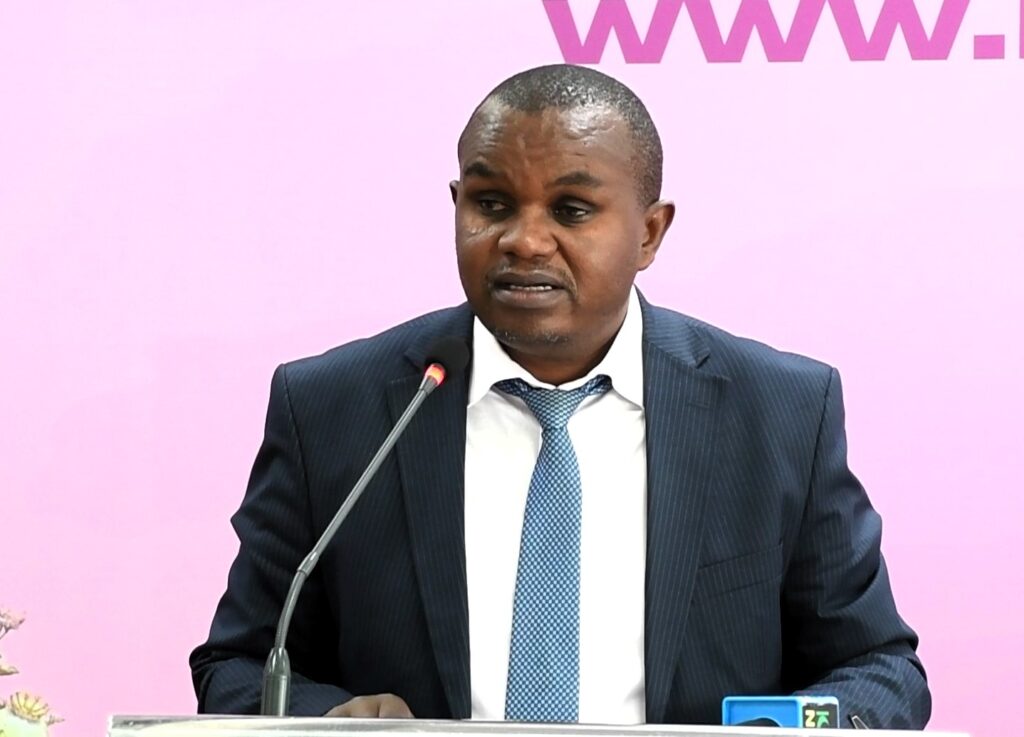
The agency has also implemented the Rose False Codling Moth Systems Approach to improve compliance with European, UK and South Korean market requirements.
Macharia said Kenya continues to pursue market diversification efforts targeting Australia, the Middle East and Asia while strengthening support systems in key production regions, including Naivasha, Timau, Nakuru, Eldoret and JKIA.
Stakeholders say IFTEX 2026 will provide a critical platform not only for trade but also for discussions on sustainability, market diversification and the future direction of the global flower industry.
“We therefore join the organisers of IFTEX in welcoming both local and international stakeholders in the floriculture industry to participate in IFTEX 2026 in June,” said Odundo. “Beyond serving as a key trading platform for flowers, the event will also provide an important opportunity for stakeholders to collaborate in addressing emerging challenges affecting the flower industry.”
As global buyers increasingly demand sustainable and ethically produced flowers, industry leaders say Kenya is positioning itself not just as a major supplier, but as a global benchmark for sustainable floriculture.