
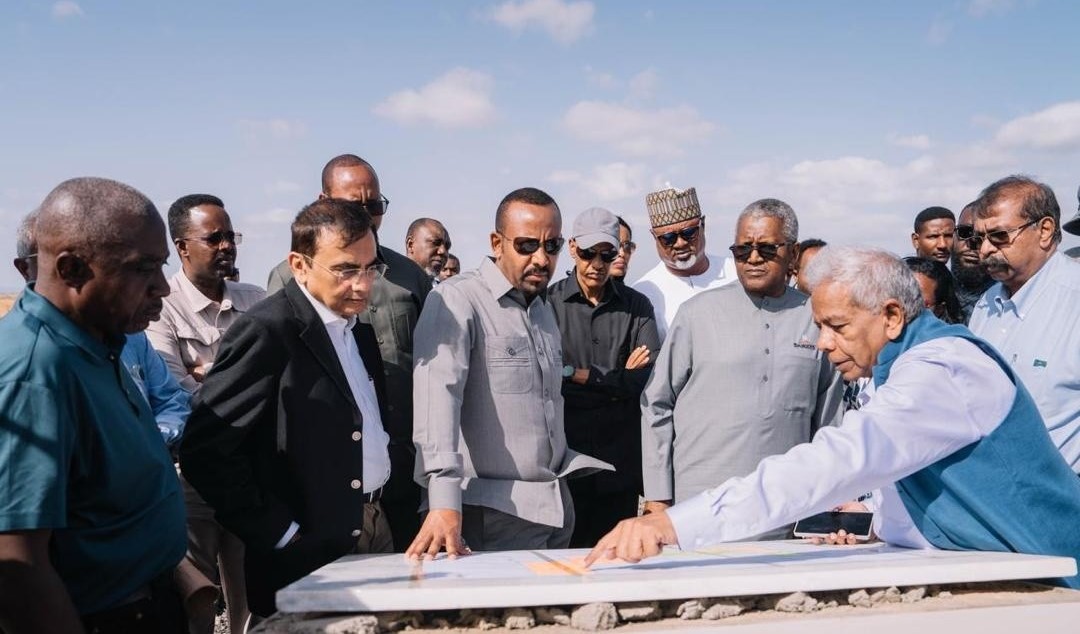
Ethiopian Prime Minister Abiy Ahmed has described the construction of the Gode urea fertilizer factory in Ethiopia’s Somali Region as a critical milestone in addressing one of the nation’s most pressing challenges while strengthening long-term agricultural productivity.
Speaking after touring the construction site in Gode, Abiy said the project is part of a broader strategic partnership established months ago with Nigerian industrialist Aliko Dangote.
According to the Prime Minister, the agreement was designed to advance Ethiopia’s industrial and agricultural transformation through large-scale investments in strategic sectors.
He noted that one pillar of the partnership was to expand cement production in Ethiopia through Dangote’s existing investments, while the second major component focused on establishing a large-scale fertilizer manufacturing plant in Gode.
Once complete, the factory is expected to produce 3 million metric tons of urea fertilizer annually, positioning it among the largest fertilizer production facilities in the region.
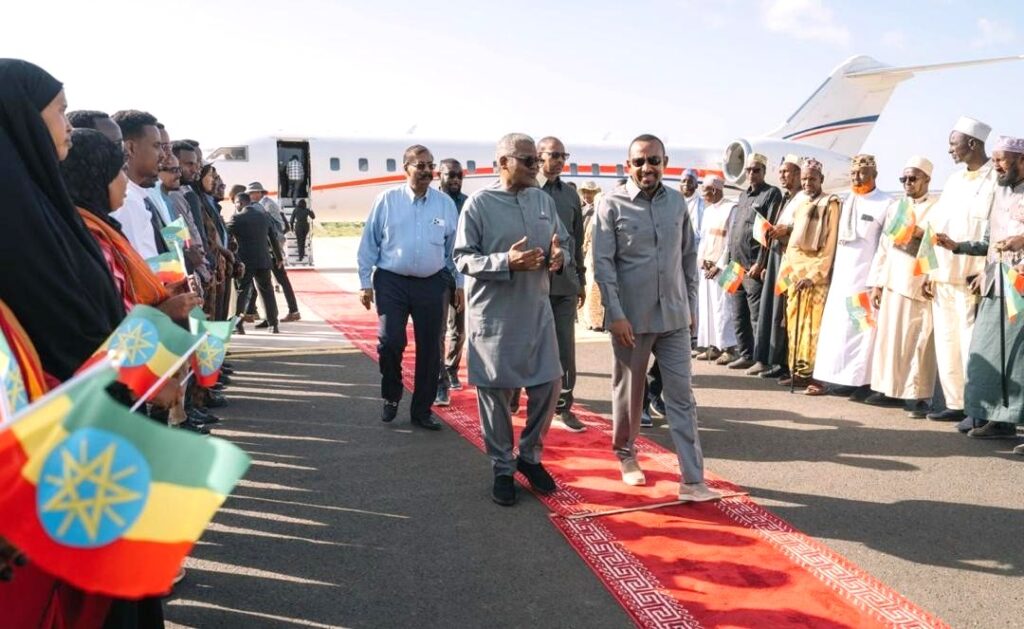
Abiy said the original agreement projected the project’s completion within 40 months. However, rising global demand for fertilizer and fuel, coupled with Ethiopia’s growing domestic agricultural requirements, led both parties to revise the implementation timeline and fast-track construction.
“The work will be completed quickly, and we will return after four months,” PM Abiy said.
He added that the project also includes the construction of residential housing for nearly 5,000 local residents, which is expected to be completed within the same timeframe as part of what he described as an integrated development strategy for the region.
The Prime Minister said the fertilizer plant’s completion would significantly reduce Ethiopia’s reliance on imported fertilizer, a long-standing challenge that has placed pressure on foreign currency reserves and hindered agricultural productivity.
Abiy emphasized that expanding domestic fertilizer production is central to the government’s broader agenda of achieving food self-sufficiency and strengthening economic resilience.
“Land, water, and people are the foundations of food self-sufficiency, and Ethiopia possesses all of these resources,” he said.
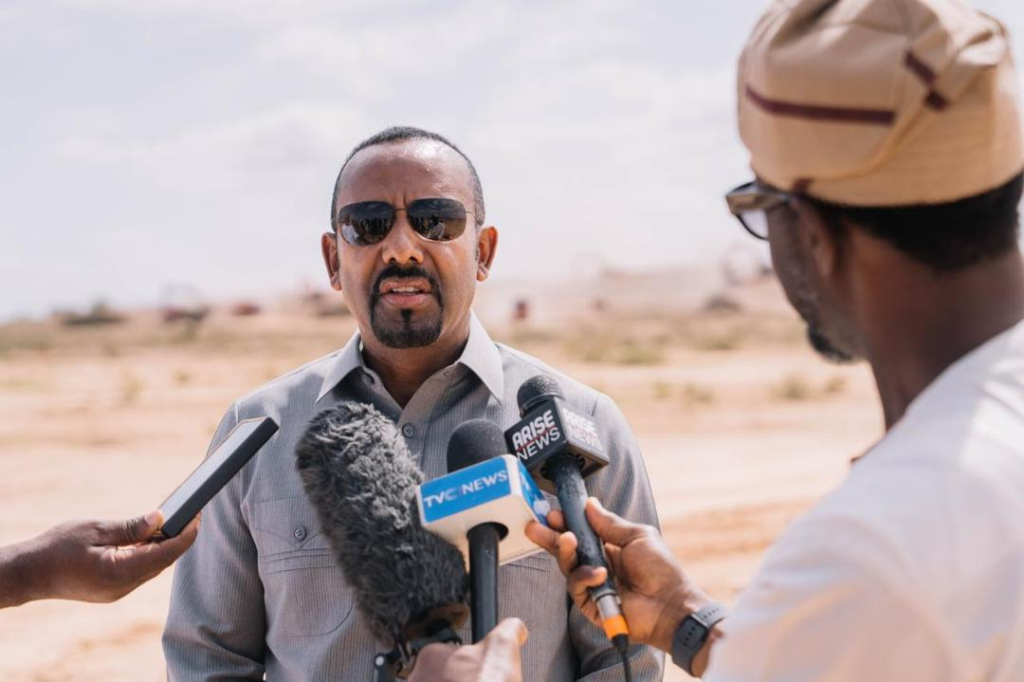
He noted that the government is working to harness Ethiopia’s natural resource base alongside improved seed technologies, expanded irrigation systems, and modern fertilizer supply chains to boost agricultural output and support sustainable food production.
According to Abiy, the investments underway in Gode are also expected to generate significant national revenue and could eventually emerge as major contributors to the economy, comparable to Ethiopian Airlines’ role in foreign exchange generation and national development.
The Gode fertilizer project is part of Ethiopia’s broader push to implement large-scale economic reforms and modernize agriculture, to reduce import dependence, increase productivity, and position the country as a regional manufacturing and export hub.