
By Kimuri Mwangi
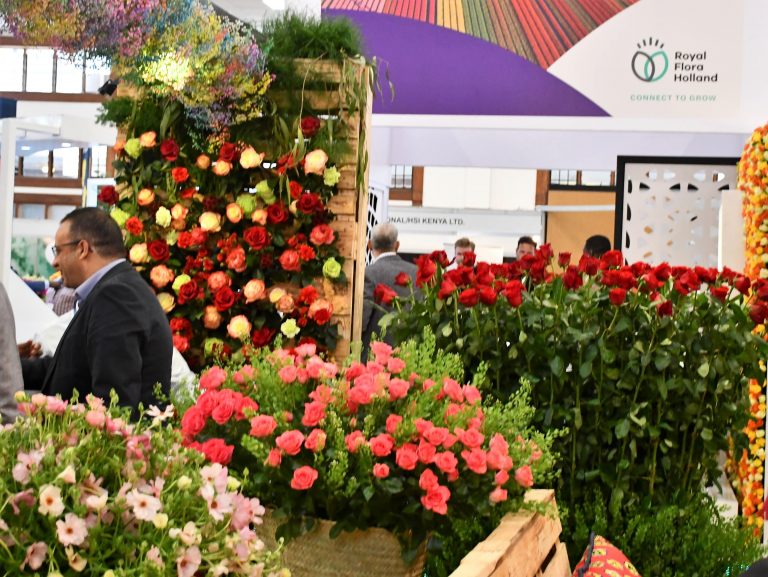
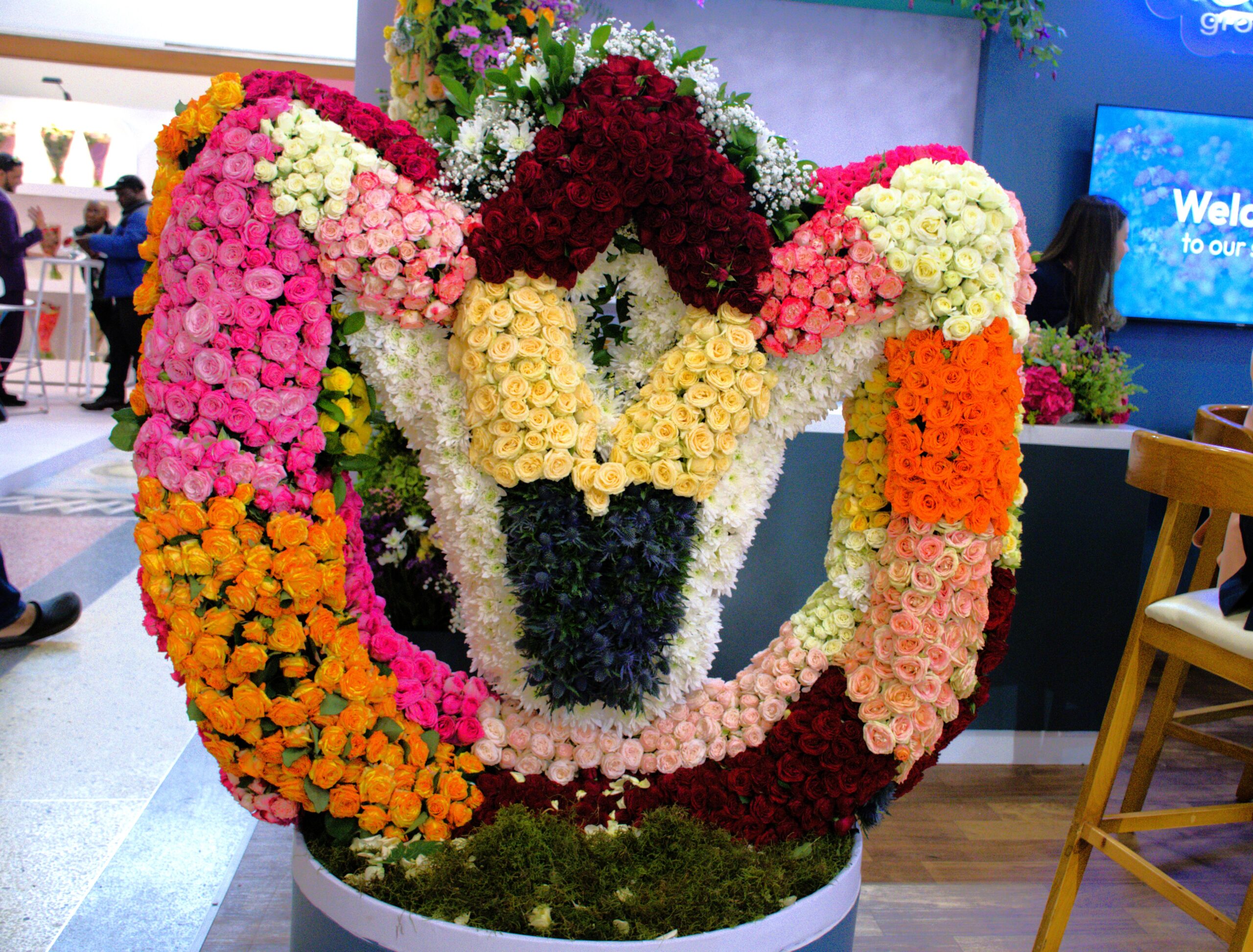
Kenya has reaffirmed its position as a global floriculture powerhouse following the opening of the 13th International Flower Trade Exhibition (IFTEX 2026), which brought together a record number of exhibitors, buyers, breeders, policymakers and industry stakeholders from across the world.
Held in Nairobi under the theme “Shaping the Future of Floriculture,” the three-day exhibition has attracted 210 exhibitors, the highest number in the event’s history, alongside hundreds of international buyers and trade partners from Europe, Asia, the Middle East, Africa and the Americas.
The exhibition comes at a critical time for Kenya’s flower industry, which has grown into one of the country’s most important export sectors and a major contributor to employment, foreign exchange earnings and rural livelihoods.
Today, Kenya is Africa’s largest flower exporter, the leading supplier of rose cut flowers to the European Union and the world’s third-largest exporter of cut flowers. The sector generates approximately KShs 110 billion in annual export earnings, supports more than 200,000 direct jobs, and sustains millions of livelihoods across the country, particularly among women and youth.
Opening the exhibition, Cabinet Secretary for Investments, Trade and Industry Lee Kinyanjui described floriculture as one of Kenya’s most remarkable economic achievements over the past four decades.
He said the industry had evolved from modest beginnings in the 1980s into one of the most sophisticated and globally respected floriculture sectors.
“When many people think about flowers, they think about beauty, colour and celebration. Yet for us as Kenyans, flowers represent something much deeper. They represent jobs and livelihoods, enterprise and innovation, foreign exchange earnings, community development, women empowerment and economic opportunity,” Kinyanjui said.
He noted that the industry plays a critical role in advancing the government’s Bottom-Up Economic Transformation Agenda through export-led growth, industrial development, job creation and rural economic transformation.
According to Kinyanjui, more than half of the workforce on Kenya’s flower farms is women, making the industry a significant driver of economic empowerment and social transformation.

He emphasized that the government views floriculture as a strategic sector deserving sustained policy support and investment.
Despite the sector’s strong performance, speakers at the exhibition acknowledged mounting challenges facing growers and exporters.
Kinyanjui pointed to rising air freight costs, escalating agricultural input prices, logistical disruptions, changing regulatory requirements, and delays in VAT refunds as key concerns affecting competitiveness.
“Competitiveness in today’s global marketplace is not determined solely by productivity on the farm. It is influenced by logistics efficiency, regulatory predictability, access to capital, infrastructure quality and the overall ease of doing business,” he said.
The Cabinet Secretary told industry stakeholders that the government is committed to addressing these challenges by improving the efficiency of VAT refunds, streamlining regulations, enhancing logistics infrastructure, and expanding market access.
“Our objective is simple: to ensure that Kenya remains one of the most competitive destinations for floriculture investment and trade,” he said.
For exhibition organiser HPP International, the record participation at IFTEX 2026 demonstrates continued global confidence in Kenya’s flower industry despite economic uncertainties and shifting market dynamics.
HPP International Chief Executive Officer Dick van Raamsdonk said the event had achieved unprecedented growth, reflecting the resilience and attractiveness of Kenya’s floriculture sector.
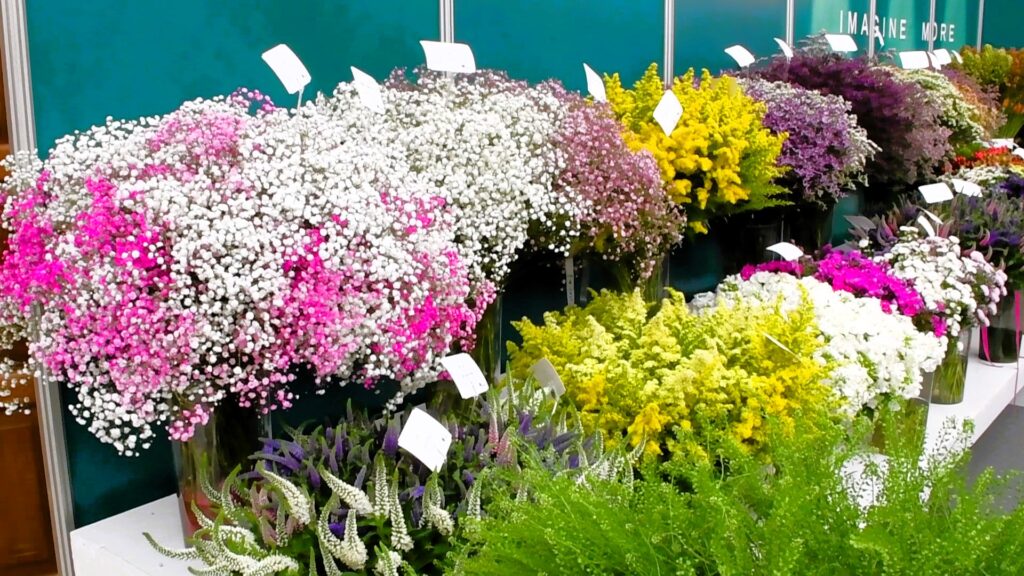
“This year, we broke every previous record with 210 exhibitors under one roof. Whether you have travelled from across the oceans or across the continent, you are standing at the absolute centre of the floral world,” he said.
Van Raamsdonk noted that one-fifth of the exhibition floor was occupied by new growers participating in the trade show for the first time, creating fresh opportunities for international buyers seeking new supply partnerships.
He described Kenya as a leading global flower production hub capable of supplying high-quality flowers while meeting evolving sustainability and compliance requirements.
“Kenya is ready to supply your markets, exceed your standards and fill your supply chains with some of the highest-quality cut flowers on earth,” he said.
The CEO also highlighted the sector’s response to emerging challenges, including stricter environmental regulations and volatile freight markets.
“The Kenyan flower industry is actively innovating. Our growers are adopting smarter logistics, sustainable farming practices and carbon-conscious operations. We are not just meeting global standards; we are defining them,” he said.
While Europe remains Kenya’s primary flower export destination, industry leaders indicated that market diversification will be a key driver of future growth.
Van Raamsdonk said Kenyan exporters were increasingly targeting high-potential markets in North America, the Middle East, Southeast Asia and Eastern Europe.
“The demand for Kenyan flowers is growing, and we are expanding our commercial footprint to match that global hunger,” he said.
Industry stakeholders noted that expanding into new markets would help cushion exporters against economic fluctuations and regulatory changes in traditional destinations.
The European Union, Kenya’s largest flower export market, reaffirmed its commitment to supporting the sector’s growth and competitiveness.
Speaking during the opening ceremony, Filippo Amato, Head of the Trade Section at the Delegation of the European Union to Kenya, described the floriculture industry as a strong example of the successful trade partnership between Kenya and the EU.
“Kenya’s floriculture industry is an excellent example of this partnership in action. Kenya is the world’s third-largest exporter of cut flowers and supplies more than 40 percent of the flowers imported into the European Union,” said Amato.
He noted that Kenyan flower exports to the EU exceed €500 million annually, making the bloc the sector’s largest export destination.
Amato attributed the industry’s success to close collaboration between government institutions, the private sector and international development partners.
He said the Kenya-European Union Economic Partnership Agreement continues to provide duty-free and quota-free access for Kenyan products to European markets, helping drive exports, employment and economic growth.
The EU is also supporting Kenya’s agricultural sector through the Business Environment and Export Enhancement Programme (BEEEP) and investments under the Global Gateway Strategy, including proposed cold-chain infrastructure projects.
“We are exploring investments in cold-chain facilities, beginning with the Nairobi Inland Container Depot. These investments will help reduce post-harvest losses and support more sustainable transport options for horticultural products,” Amato said.
The Kenya Flower Council (KFC) urged stakeholders across the global floriculture value chain to address growing concerns over profitability and sustainability.
KFC Chief Executive Officer Clement Tulezi said that while Kenya’s flower industry remains resilient, growers are facing unprecedented financial pressures arising from rising production costs, logistics expenses and compliance requirements.
“Flowers are jobs. Flowers are school fees. Flowers are healthcare. Flowers are empowerment,” Tulezi said.
He noted that the industry generates approximately USD 850 million annually and remains one of Kenya’s most significant employers.
Tulezi emphasized that Kenya’s reputation as a trusted global supplier has been built on quality, professionalism, sustainability and reliability.
A flower harvested in Kenya, he noted, can reach European markets within 24 hours.
However, he warned that freight costs now account for as much as 40 percent of production expenses, while growers continue to grapple with regulatory and taxation burdens.
“The current geopolitical environment marked by inflationary pressures, currency volatility, rising input costs and persistent logistics disruptions is placing unprecedented strain on producers,” he said.
He called on international buyers and retailers to engage in transparent discussions around pricing and value sharing.
“If the industry is to remain viable, there must be a shared recognition that value must be fairly distributed along the supply chain,” Tulezi said.
Across the exhibition, sustainability emerged as a recurring theme as global consumers and regulators increasingly demand environmentally responsible production practices.
Kinyanjui said Kenyan flower farms have invested significantly in renewable energy, water conservation technologies, biodiversity protection, worker welfare programmes and integrated pest management systems.
These investments, he said, have helped position Kenya as a global leader in sustainable floriculture.
“Our flower industry is globally respected for ethical production, sustainability leadership, environmental stewardship and traceability systems,” he said.
Industry leaders agreed that future competitiveness will increasingly depend on the ability of producers to meet evolving environmental, social and governance standards while maintaining profitability.
The Kenya Plant Health Inspectorate Service (KEPHIS) outlined measures being implemented to safeguard Kenya’s export competitiveness through improved compliance and plant health management.
KEPHIS Managing Director Prof. Theophilus Mutui said the agency continues to support the flower industry through inspections, certification, market compliance monitoring and digitalisation of export documentation processes.
He noted that KEPHIS has introduced online platforms for permit and certificate applications and is finalising electronic document exchanges through the ePhyto Hub system.
The agency also plays a key role in protecting plant breeders’ rights and facilitating access to new flower varieties from international breeders.
According to Mutui, KEPHIS has received more than 2,066 applications for new plant varieties, with roses and cut flowers accounting for the majority of applications during the 2024/2025 financial year.
On phytosanitary compliance, he said significant progress had been made in managing the False Codling Moth (FCM), a quarantine pest that has posed challenges for rose exports to Europe.
“We have established mechanisms for management of the pest, which have resulted in a reduction of overall interceptions due to FCM in the last year,” he said.
Mutui added that KEPHIS has implemented traceability systems for exported roses and continues to work closely with growers to meet market requirements.
As global demand for sustainably produced flowers continues to rise, industry leaders expressed optimism about the future of Kenya’s floriculture sector.
Speakers highlighted innovation, sustainability, logistics improvements, market diversification and stronger partnerships as the pillars that will define the next phase of growth.

Kinyanjui said Kenya’s favourable climate, skilled workforce, entrepreneurial culture and strong reputation for quality provide a foundation for continued expansion.
“The next phase of growth will be driven by innovation, sustainability, value addition, technology and market diversification,” he said.
Over the course of the exhibition, participants are expected to showcase new flower varieties, emerging technologies and innovations while exploring new commercial opportunities and discussing solutions to industry challenges.
With record participation, strong international support and growing market opportunities, IFTEX 2026 has reinforced Kenya’s status as a global leader in floriculture and positioned the industry for continued growth in an increasingly competitive global marketplace.