

By Kimuri Mwangi
Kenya and Tanzania have renewed efforts to strengthen agricultural trade and regional commerce after signing eight new bilateral agreements aimed at deepening cooperation and dismantling barriers that have historically disrupted the movement of goods, particularly agricultural produce.
The renewed commitment follows years of trade disputes between the two East African neighbours, which have periodically disrupted the flow of key agricultural commodities, especially exports from Tanzania into Kenya.
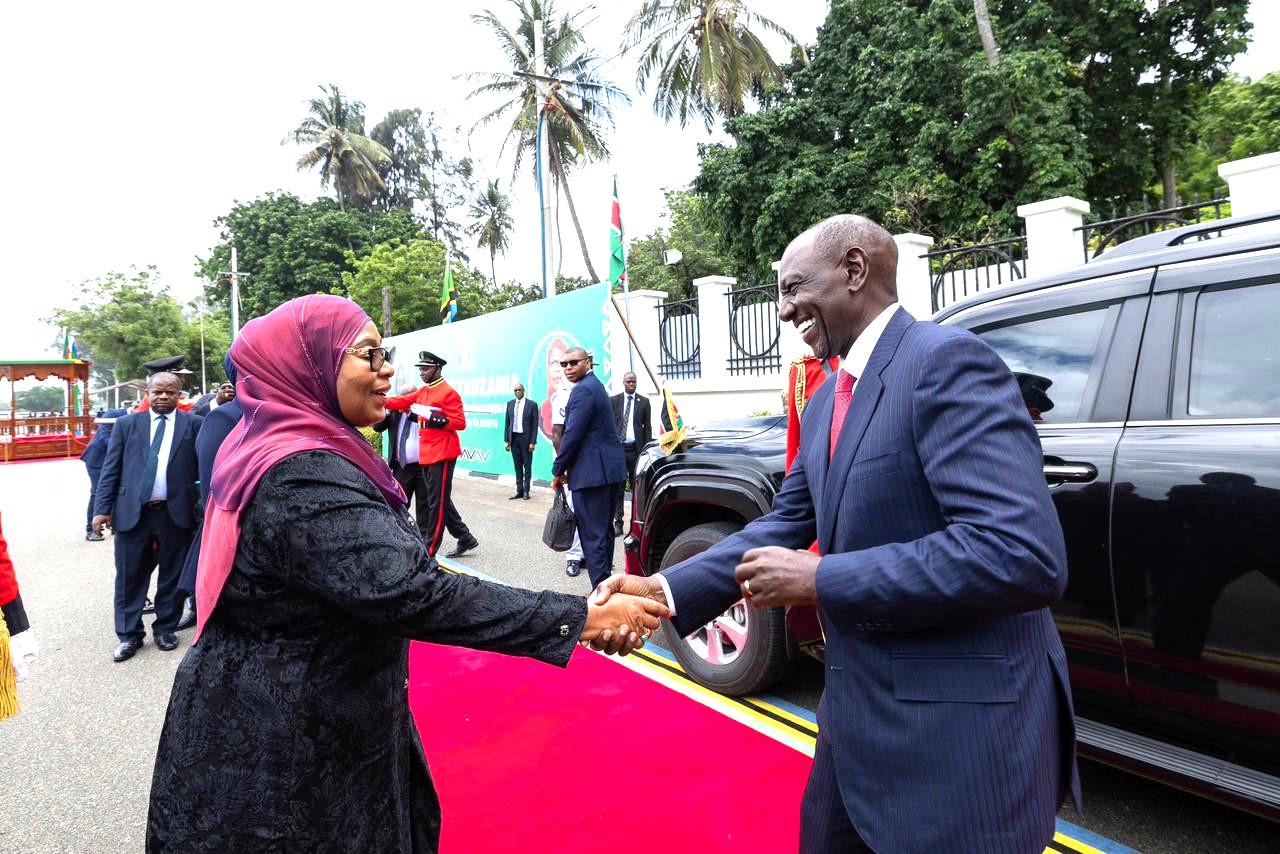
During President William Ruto’s recent two-day State Visit to Tanzania, he held bilateral talks with President Samia Suluhu Hassan at State House in Dar es Salaam, where the two leaders witnessed the signing of eight Memoranda of Understanding (MoUs) covering agriculture, energy, legal cooperation, railway development, public service capacity building, maritime cooperation, seafarer certification standards, and harmonisation of product standards.
A key agricultural breakthrough under the agreements is the mutual recognition of sanitary and phytosanitary certificates, a move expected to significantly speed up cross-border clearance of milk, meat, and fresh produce while reducing delays that have long frustrated farmers, traders, and agribusinesses.
The two countries also set a June 30, 2026, deadline to eliminate all remaining non-tariff barriers (NTBs), which have for years affected the movement of agricultural products such as dairy, maize, eggs, and other goods due to repeated border inspections, paperwork complications, and levies.
The leaders said harmonisation of standards between the Kenya Bureau of Standards (KEBS) and Tanzania’s Shirika la Viwango is central to boosting agricultural and industrial trade, as it will ensure products certified in one country are not subjected to duplicate inspections at border points such as Namanga and Holili.
President Ruto said the strengthened cooperation is anchored in shared prosperity and regional transformation.
“This visit reflects the deep-rooted and enduring friendship that binds our two nations, a relationship enriched by vibrant people-to-people connections, shared heritage, and a common destiny.”
President Ruto described the relationship as one that transcends politics and goes back to the vision of the founding fathers, who championed Pan-Africanism and saw regional integration as a vehicle for transformation.
“Our enduring cordial relations continue to flourish, anchored on mutual respect, shared rich history and vibrant trade,” he said.
“Kenya attaches top strategic importance to this unbreakable bond which continues to deliver substantial benefits to our people.”
Bilateral trade between Kenya and Tanzania reached $860.3 million in 2025, accounting for nearly 40 percent of all intra-East African Community trade, making the partnership the strongest within the bloc.
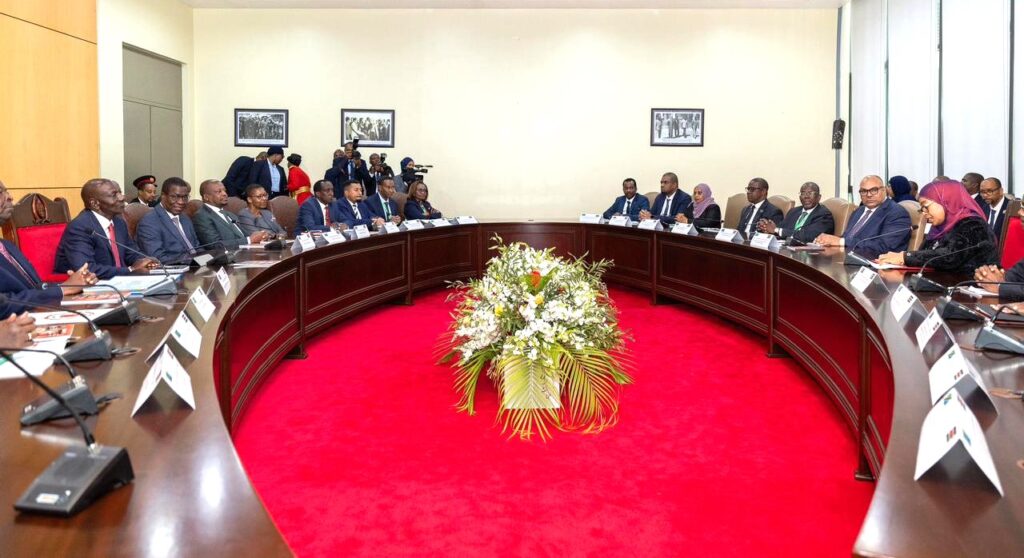
“As vibrant as our trade is, we need to work towards strengthening our ties further,” President Ruto said, adding that the countries must find a way to ensure resources are added value to create jobs and generate wealth for Kenyans and Tanzanians.
For agriculture, the removal of NTBs is expected to unlock major benefits for farmers, exporters, processors, and consumers by reducing logistical bottlenecks and improving market access across borders.
President Samia said both countries are committed to resolving long-standing trade challenges that hinder economic growth.
She said Tanzania would move to digitise customs and establish a 30-day dispute resolution mechanism under the new Kenya-Tanzania Business Council to facilitate smoother trade flows.
The Joint Commission for Cooperation, which has held four sessions since 2009, will convene its fifth session later this year to monitor implementation of agreements covering trade, agriculture, and education, with quarterly progress reports on NTB elimination and MoU implementation.
Infrastructure investments are also expected to strengthen agricultural trade, with the revival of the Voi-Mwatate-Taveta railway line projected to lower transport costs for bulk cargo by up to 25 percent while enhancing produce movement between Kenya’s coast and northern Tanzania.
Additionally, progress on the Malindi-Bagamoyo Super Highway is expected to improve regional logistics, creating a critical coastal trade corridor linking Mombasa and Dar es Salaam.
Energy cooperation, including the Isinya-Singida transmission line and discussions on renewable energy projects, is expected to lower production costs for agricultural processors and manufacturers.
As founding members of the East African Community, Kenya and Tanzania reaffirmed their commitment to stronger regional integration, positioning East Africa as a competitive production and investment hub.
With agriculture remaining central to both economies, the agreements signal a strategic shift toward reducing trade friction, improving food systems, and expanding market opportunities for millions of farmers and agribusiness operators across the region.