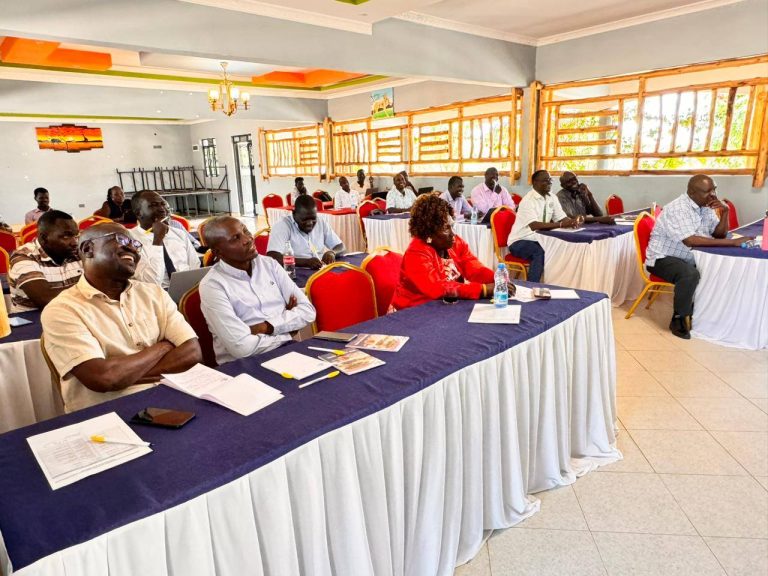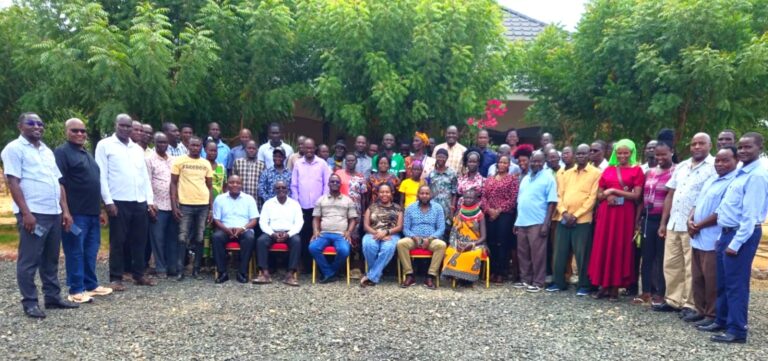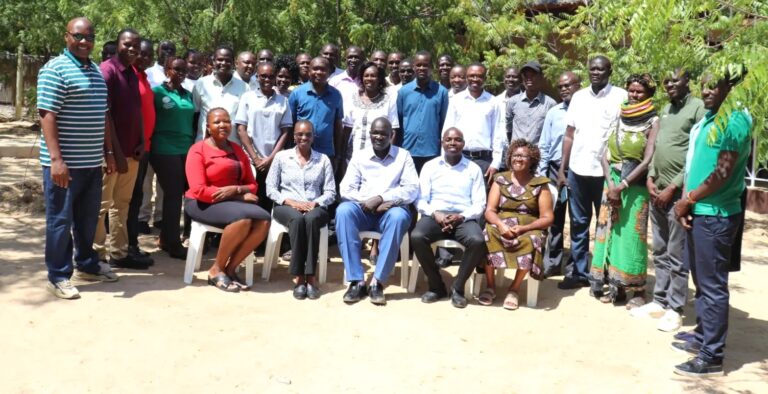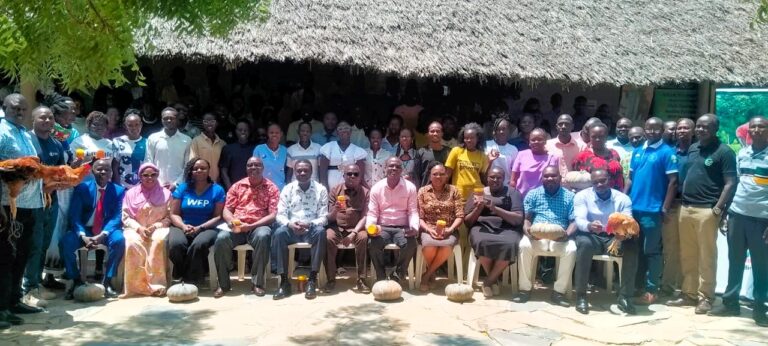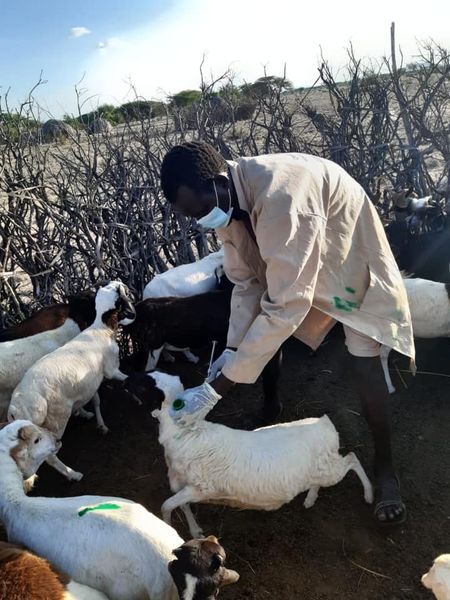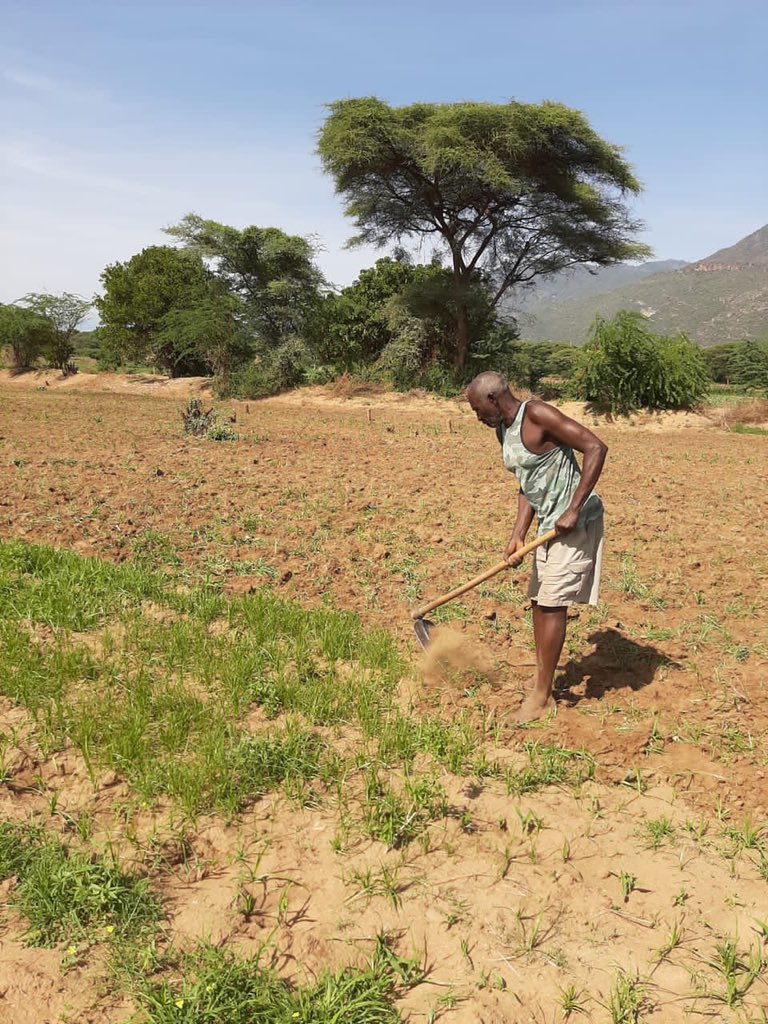

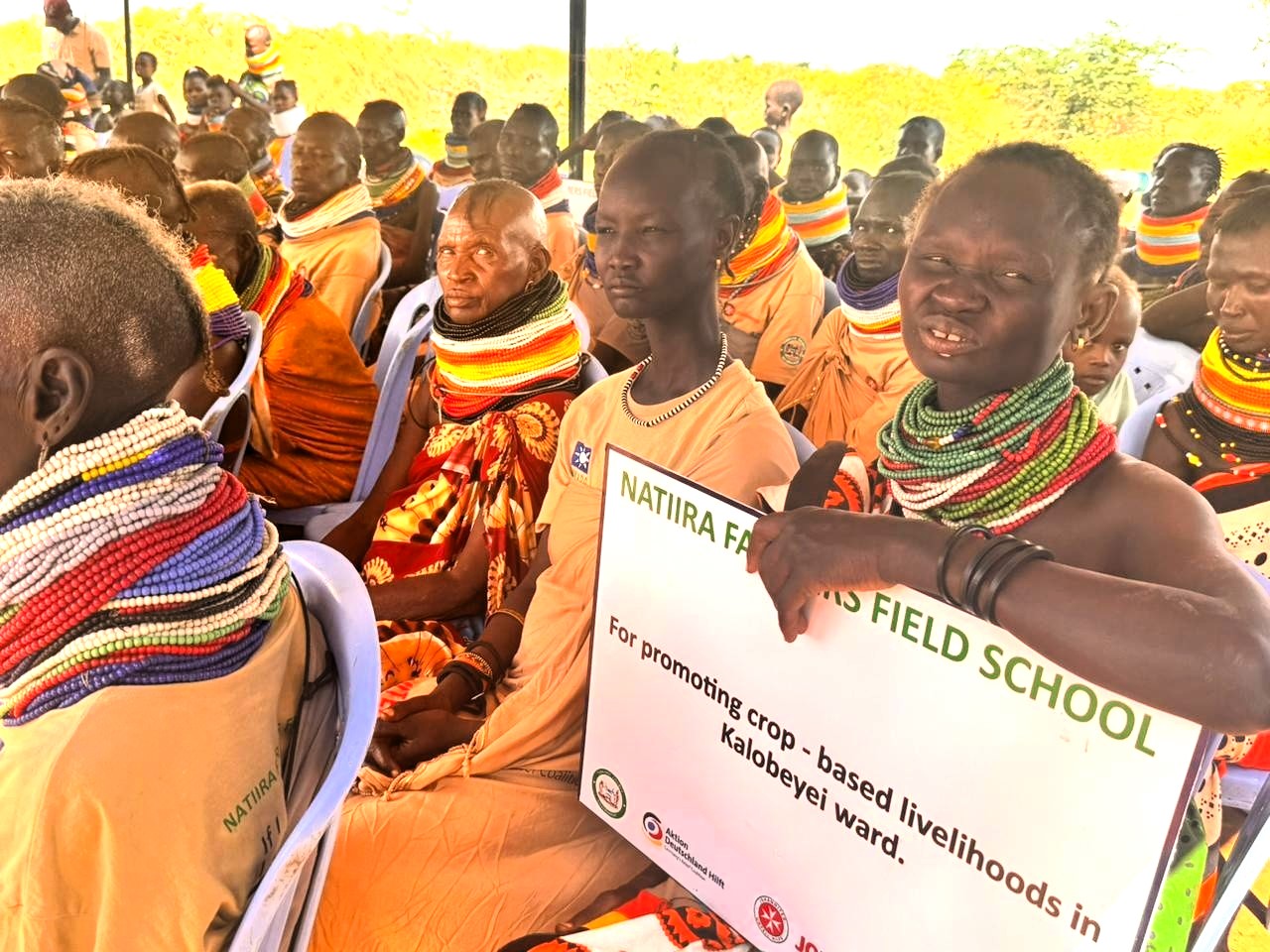
Turkana County Government, in partnership with LOKADO, has launched a Farmers Field School in Natira to equip local communities with climate-smart agricultural skills aimed at improving nutrition and strengthening long-term food security.
The initiative seeks to empower households and schools to embrace sustainable farming practices as part of broader efforts to enhance agricultural resilience in the region.
Chief Officer for Agriculture and Land Reclamation David Maraka said the partnership underscores the county’s commitment to shifting Turkana from dependence on food aid to agricultural self-reliance.
Maraka lauded the collaboration for addressing the knowledge gap in the cultivation of nutrient-rich and climate-resilient crops, noting that this is key to improving residents’ nutritional status while reducing the effects of climate change.
LOKADO Manager Peter Lochuch said the program is focused on empowering stakeholders, particularly local schools and households.
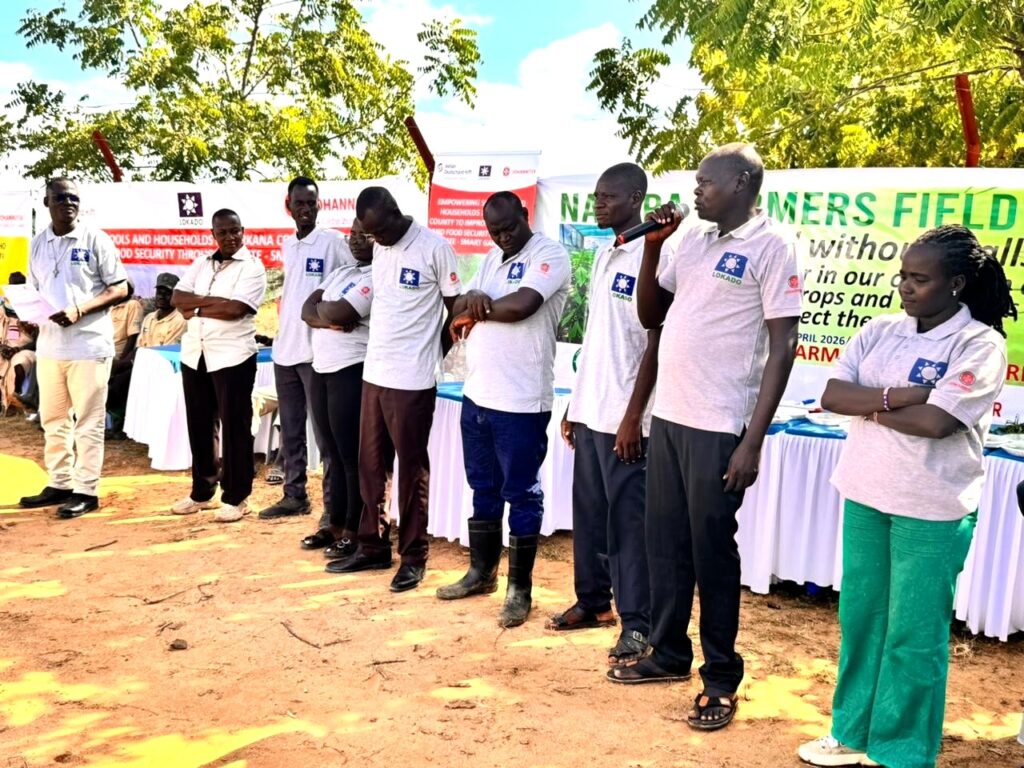
“By moving away from traditional farming methods to climate-smart gardening, we aim to provide sustainable solutions to the ongoing issues of malnutrition and food scarcity in the region,” Lochuch said.
Local farmer Lokulan Soya welcomed the initiative, saying it offers practical knowledge directly to farmers.
“The program brings education directly to us about crop cycles, pest management, value addition, and the specific environmental factors that hinder agricultural productivity in our area, with support from Sub-county Agricultural officers,” Soya said.
The Farmers Field School provides a communal platform where farmers exchange indigenous knowledge while integrating modern agricultural techniques.
The program is being implemented by LOKADO in partnership with JOHANNITER and Aktion Deutschland Hilft.
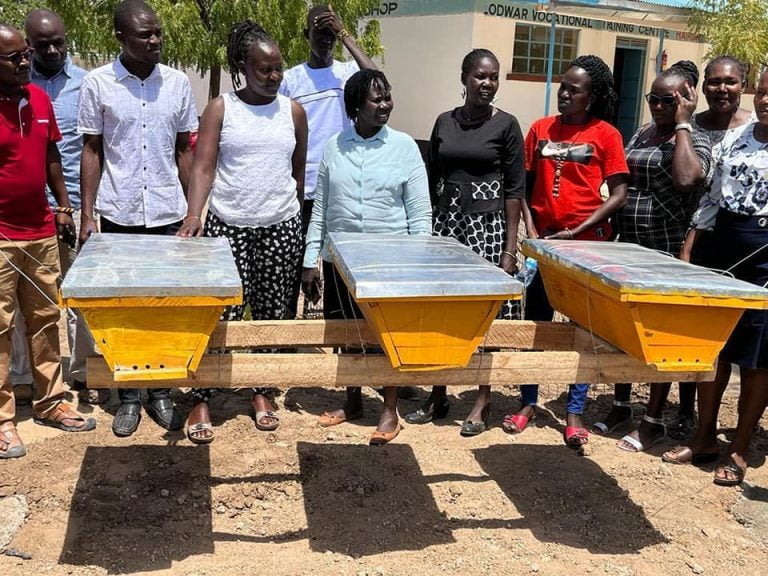
Participants included farmers from Nawountos, Natiira, Kangura, Katiknyingok, and Naburankito community farms, alongside students from Musug, St. Kizito Kalobeyei, Bright, and Kalobeyei Settlement Primary Schools.