
By Kimuri Mwangi
When Kenya’s Cabinet lifted a 10-year ban on genetically modified organisms (GMOs) in October 2022, the move was framed as a response to food insecurity and drought. It opened the door to the importation and cultivation of biotechnology crops, positioning the country among adopters of agricultural biotechnology while triggering widespread activity across the agriculture and food sectors and in the courts.
GMOs, defined as products of Modern Biotechnology that involve the manipulation of the genetic material of organisms through genetic engineering procedures, have since remained at the heart of a contentious national conversation. Supporters see them as a potential intervention against climate change and declining yields, while critics have turned to litigation to challenge their adoption.
At the centre of this debate is the National Biosafety Authority (NBA), established under the Biosafety Act No. 2 of 2009, with the mandate to exercise general supervision and control over the transfer, handling and use of genetically modified organisms (GMOs). The authority finds itself balancing regulation, public concerns, and ongoing legal challenges.
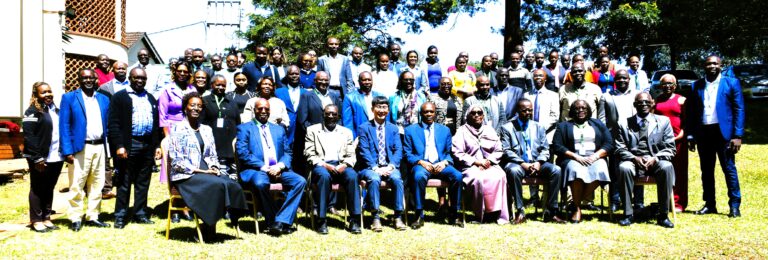
During a media workshop, Dr. Ann N. Karimi, Acting Chief Executive Officer of the NBA, said the authority’s role is not to advocate for or against GMOs, but to regulate their use and ensure public safety.
“Mine is to tell the public that the work of the National Biosafety Authority is to regulate all matters GMO, be it feed for human consumption, be it for research or for any other purposes, including trade,” she said.
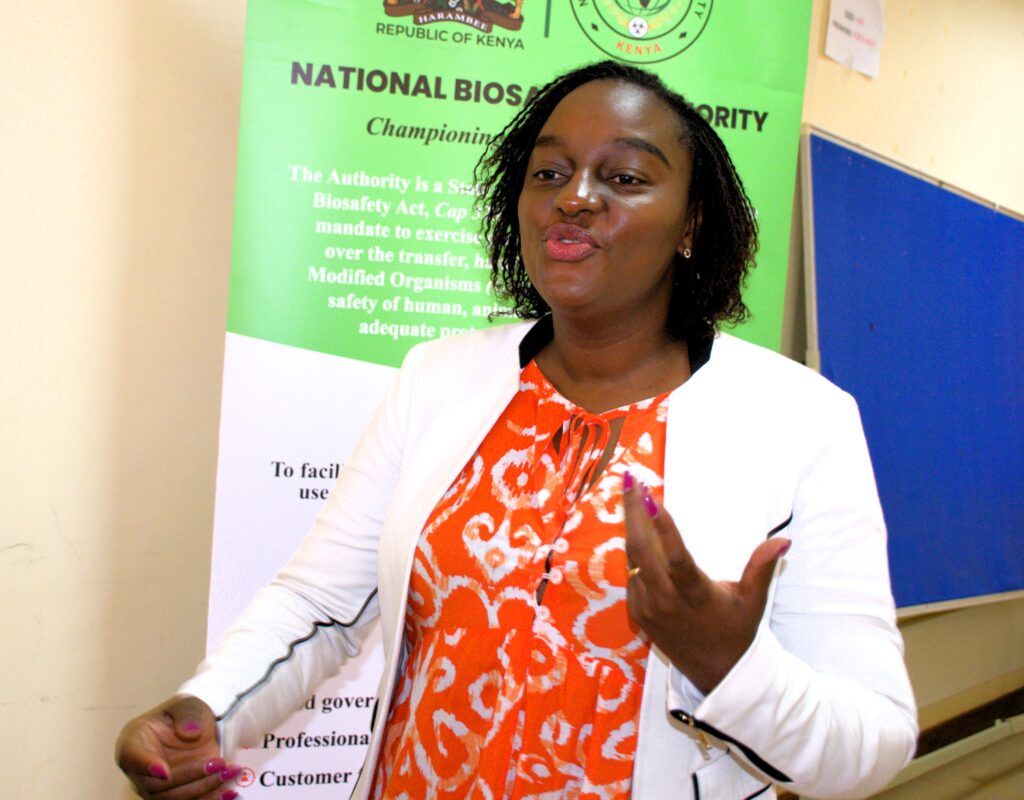
Instead, the NBA positions itself as a neutral body focused on ensuring that the correct information is available to the public to avoid the rampant misinformation and disinformation that causes a lot of negative publicity.
“So, we are not taking a position that supports or goes against GMOs, but rather a very neutral position. Our work is to ensure that the GMOs in the country are safe for use in Kenya.” Dr. Karimi added.
The authority operates within a structured approval process that includes field trials, confinement, open field evaluations, and final approvals. It also collaborates with institutions such as the Kenya Agricultural and Livestock Research Organization (KALRO) and the Kenya Plant Health Inspectorate Service (KEPHIS), alongside other stakeholders, to assess applications submitted by researchers.
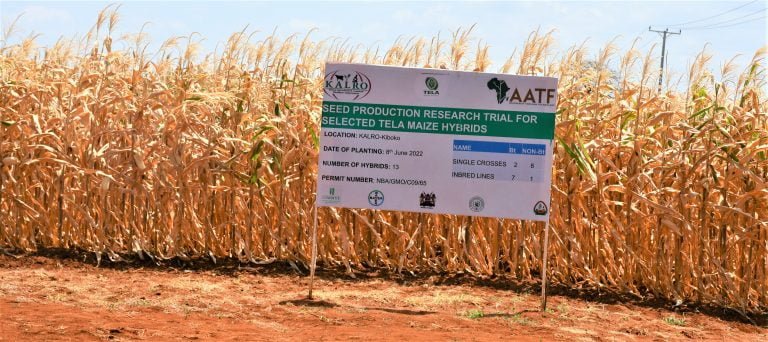
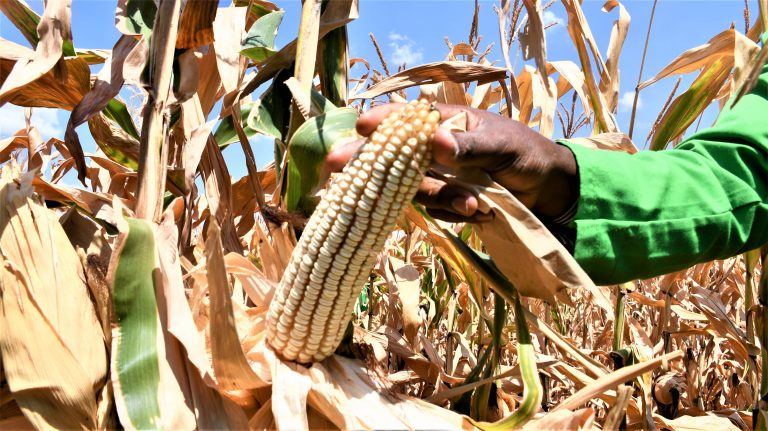
Among the GMO crops at various stages of approval are BT maize, cassava, and even potatoes.
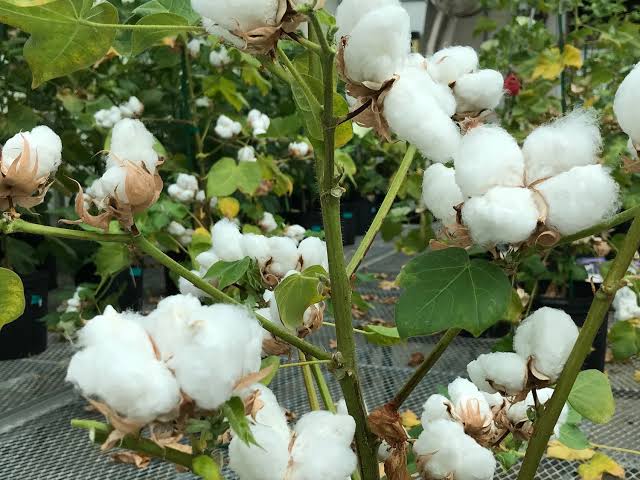
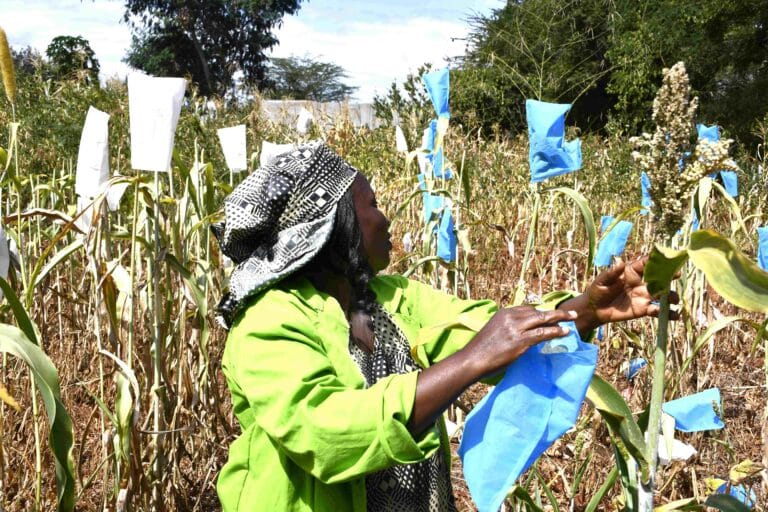
BT cotton, so far, the most embraced GMO plant in the country, has already been commercialized and is planted in various counties. Key production areas include Busia, Lamu, Tana River, Kirinyaga, Baringo, Kwale, and Kisumu. The government has further expanded cultivation and seed distribution to Homa Bay, Machakos, Meru, Siaya, Elgeyo Marakwet, Bungoma, Taita Taveta, and West Pokot counties. Busia County was the pilot area for BT cotton, particularly in Teso South and Samia.
Currently, Lamu County is a major focus area with significant adoption by local cooperatives, particularly in the Mpeketoni area. A new, large-scale cotton ginnery and oil extraction plant in Mpeketoni, Lamu County, is nearing completion. It is being built by Thika Cloth Mills in partnership with the national government.
However, despite progress, legal challenges have slowed agricultural biotechnology implementation.
“We have suffered a little setback here and there with the legal system, but we are in court, and we are working through the system to ensure that what we are doing is allowable,” Dr. Karimi said, identifying litigation as the biggest hurdle.
The expansion of GMOs in Kenya has been significantly affected by court cases filed by opponents of the technology. While the NBA continues its regulatory work, commercialization and broader adoption remain largely on hold.
At the moment, she said they are keeping off GMOs because of the court cases, noting that the authority is still tasked with ensuring that unapproved GMO products do not enter the country.
She acknowledged the legitimacy of public concerns and legal action, stating that “On the court cases, Kenyans are free, and they’ve gotten their freedom, and they have a lot of information. They cannot be stopped from going to court to express their reservations. And we are not entirely decrying the positions because for us, we have taken an approach of dealing with them one by one by ensuring that the public and even the court, for that purpose, is aware and is fully briefed on what GMOs really can do and what they should do and what the role of the authority is. Because I think the biggest question has been, is the authority able? Is the authority available? Is there a framework that safeguards Kenyans? And I think that is a comfort that the Kenyans should have, that we have augmented our capabilities, that we are robust, that we have better resources.”
The authority has responded by focusing on public education and transparency, ensuring that both the courts and the public are fully briefed on matters of GMOs.
Central to public concern has been whether adequate safeguards exist. Dr. Karimi emphasized that the NBA has strengthened its capacity and regulatory framework to ensure safety, arguing that Kenya is better protected by having an authority that can stamp its foot and ensure that Kenyans are safe.
To enhance its regulatory reach, the NBA is expanding its physical presence beyond its headquarters. Currently operating eight border post offices, the authority aims to increase this number to 24 within the next two to three years.
This expansion reflects the authority’s broader mandate to oversee GMO imports, research, and cultivation, particularly in a context where Kenya continues to import significant amounts of food.
“Kenya spends almost half a trillion on the importation of food crops generally,” she noted, positioning GMOs as an alternative, rather than a replacement for conventional agriculture, especially with the vagaries of climate change.
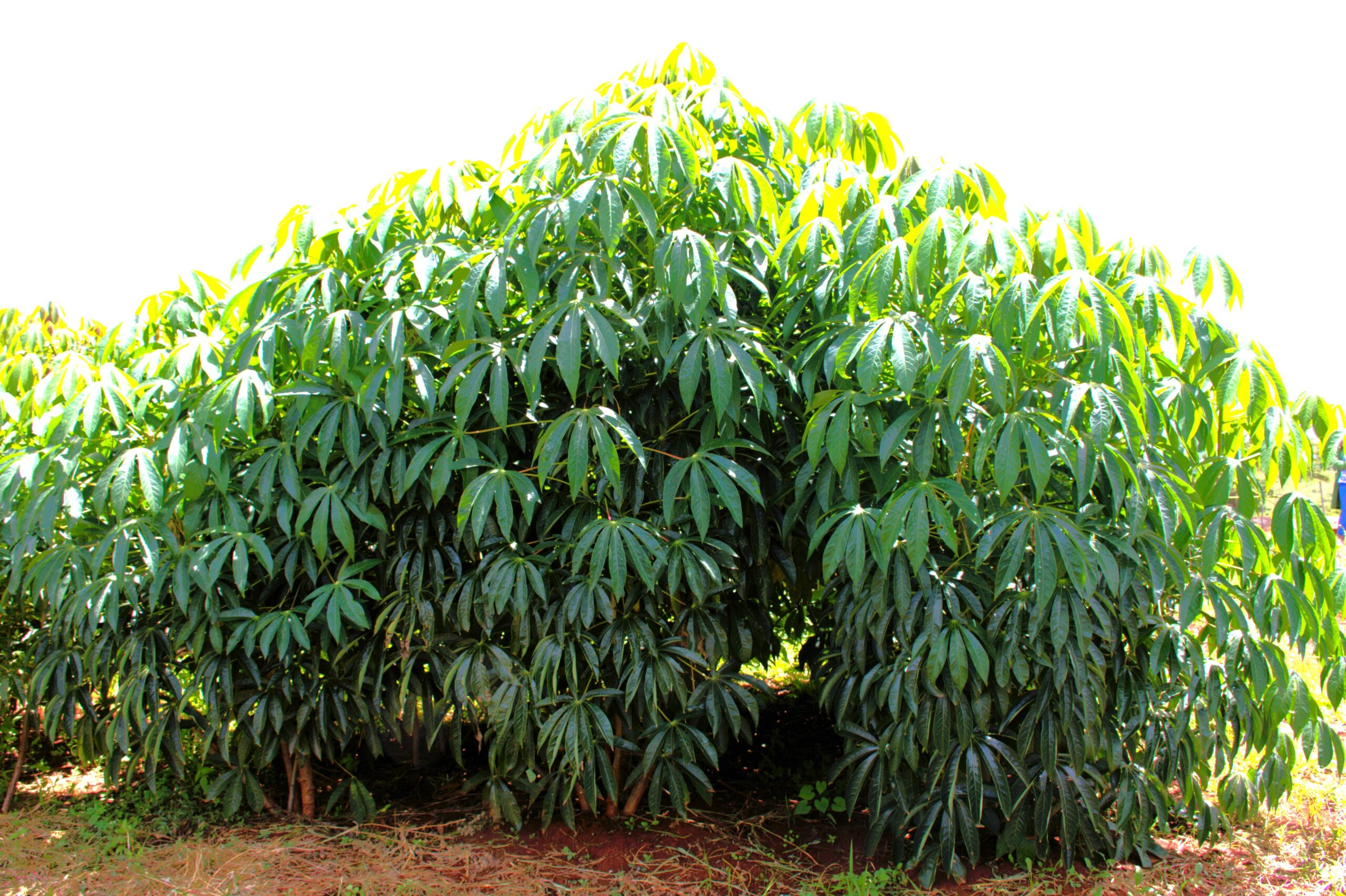
Among the most advanced GMO projects in Kenya is cassava engineered to resist cassava brown streak disease (CBSD), a devastating viral disease that causes severe stem streaks and root rot and can result in 100% losses in farmers’ fields.
Research on this crop has been ongoing since 2013, led by KALRO and approved by the NBA under confined field trials.
Over more than a decade, the project progressed through multiple regulatory stages, including confined field trials, environmental release approval, and national performance trials conducted across seven sites nationwide.
“The data was submitted to the NBA for consideration for environmental release. The approval again was granted, and they proceeded to the National Performance Trial, which they have been doing for two seasons. And again, they have gotten out of this, and they are now waiting for the release of the varieties because these varieties have already been approved. Due to the ongoing court cases, this cassava cannot get to the farmers for commercialization,” explained Julia Njagi, Deputy Director of Biosafety Licensing, Monitoring and Surveillance at the site in KALRO Kandara.
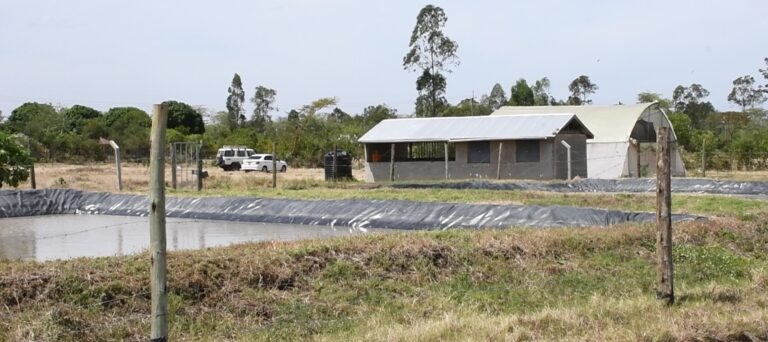
Even as the cassava awaits release, strict regulatory controls remain in place. The NBA requires that all GMO research facilities adhere to stringent safety protocols.
“As the National Biosafety Authority, our focus is mainly on compliance with the Biosafety Act, ensuring that any research that is being undertaken is being undertaken within the law. We have to ensure that such a facility is guarded 24 hours a day because we don’t want any material to get out of this facility. And they also have to adhere to the laid-down protocols and procedures,” Njagi said.
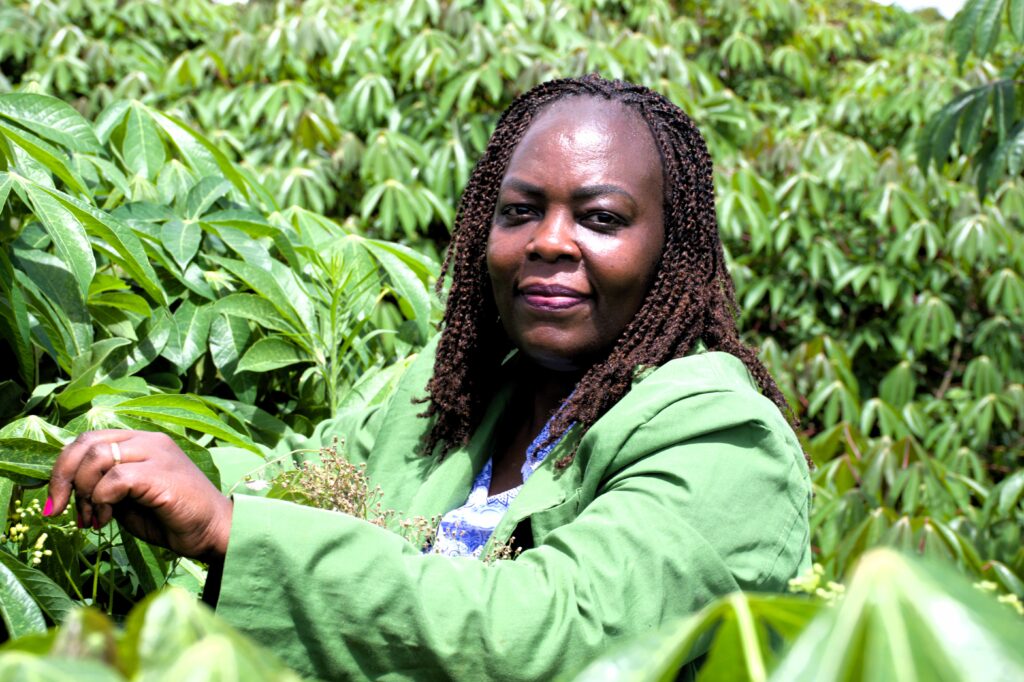
The cassava is currently in a seed multiplication phase under confinement, ensuring that planting materials are ready for distribution should legal barriers be lifted.
The NBA maintains that all GMO approvals are based on rigorous scientific assessment and regulatory compliance. This includes food safety, environmental impact, and socio-economic considerations.
Dr Njagi stresses this, “As the NBA, we are riding on a very solid framework, that is the regulatory framework, and anything and everything that has been assessed by the NBA, I can vouch for its safety because it has been taken through the due process, as we are looking at food safety assessment. We are also looking at environmental safety assessment, as well as these other socio-economic issues that we also consider when we are assessing GMOs for environmental release. This is a very comprehensive assessment, and the NBA has done everything within the law to ensure that any GMO that gets out there is safe for humans, animals, and the environment.
Public participation, she adds, is also a key component of the approval process, allowing citizens to provide input before decisions are made. “One of the processes of evaluating the safety of GMOs is public participation, which is a key component of what we do. We have to ensure that the public has a say, they have an input in what we are doing. So public awareness, it’s never enough, but it’s something that we have been doing. It’s one of the programmes that we really want to build on and ensure that everyone in the country knows what GMOs are, because you all know that we’ve had a lot of misinformation and disinformation about GMOs, and that is what we want to counter. And we want to counter that through responsible science communication and ensuring that this very complex science is broken down into facts or into a very simple language that even the layman can understand what a GMO is.”
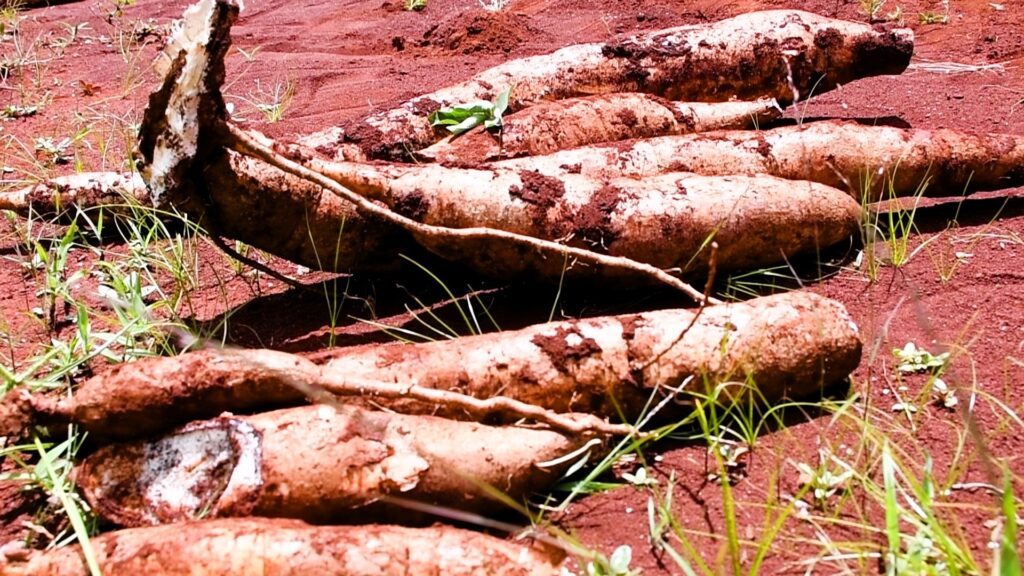
For the cassava, the CBSD-resistant variety represents a potential turning point, offering improved yields and economic benefits for farmers, assuming this technology sees the light of day.
Yet, for now, that promise remains uncertain, caught in the intersection of science, regulation, and the judiciary.
As Kenya navigates its path on GMOs, the NBA continues to assert its role as a neutral regulator, tasked with ensuring safety, providing information, and maintaining oversight, while the courts ultimately determine how quickly biotechnology innovations reach the country’s farms.