
The Food and Agriculture Organization of the United Nations (FAO) has warned that delays in the movement of ships carrying critical agricultural inputs through the Strait of Hormuz could trigger a surge in global food prices, with far-reaching economic consequences reminiscent of the COVID-19 pandemic.
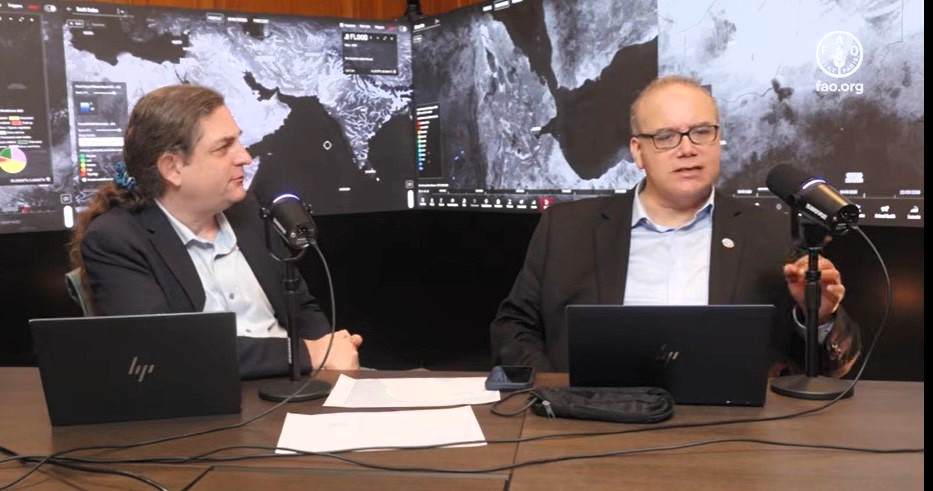
In a podcast published Monday featuring FAO Chief Economist Maximo Torero and David Laborde, Director of FAO’s Agrifood Economics Division, the agency underscored the urgency of restoring normal shipping operations along the key maritime route.
“The clock is ticking,” and crop calendars put poorer countries most at risk of scarce and pricey fertilizer and energy inputs, Torero said.
He cautioned that prolonged disruptions could reduce agricultural output and drive up food prices globally. “The last thing we want is lower crop yields and higher commodity prices and food inflation for the next year,” Torero said, adding that such a scenario could force governments to intervene to lower domestic food prices, potentially leading to higher interest rates and slower economic growth worldwide.
The FAO Food Price Index for March remained relatively stable, supported by ample supplies of key commodities, particularly cereals. However, the agency noted that pressure is mounting in April and is expected to intensify in May as farmers make critical planting decisions.
These decisions, FAO warned, will depend heavily on fertilizer availability and energy costs, with some farmers likely to shift to biofuel production to capitalize on higher oil prices, potentially at the expense of global food supply.
“We are in an input crisis; we don’t want to make it a catastrophe,” said Laborde. “The difference depends on the actions we take.”
FAO has called on governments to carefully assess biofuel mandates and avoid imposing export restrictions on fertilizers and energy, warning that such measures could worsen the situation.
The agency further urged swift diplomatic efforts to resolve tensions in the Strait of Hormuz. In the event of prolonged disruption, it recommended anticipatory measures, including financial support mechanisms for countries at risk of losing access to essential inputs during critical planting periods.
Torero pointed to existing international financial tools, such as the International Monetary Fund’s balance of payments facilities and the Food Shock Window, as well as the Food Import Financing Facility proposed by FAO in 2022, as possible avenues to support countries in securing fertilizer supplies without distorting markets.
FAO has already developed a prioritization framework based on crop calendars to identify countries most in need of timely fertilizer access.
“The risks are very clear,” Torero said. “If we don’t accelerate, the risks will exacerbate.”
According to FAO, between 20 and 45 percent of global exports of key agricultural inputs depend on maritime passage through the Strait of Hormuz, underscoring the strategic importance of the route.
The agency warned that reduced input use by farmers would likely result in lower yields later this year and into 2027, pushing up both commodity prices and retail food inflation over the coming years. With many farmers already operating on thin margins, further financial strain could lead to widespread bankruptcies, compounding global food supply challenges.
FAO also cautioned against trade and export restrictions, noting that similar measures in past crises have exacerbated global price spikes by distorting markets.
Additionally, fertilizer and energy markets remain highly inelastic, meaning even minor disruptions in supply can lead to disproportionate price increases. FAO warned that markets could react rapidly if shipping through the Strait does not resume soon.
Unlike climate-related shocks such as El Niño, Torero stressed that the current situation is resolvable through policy and diplomatic action. “The Strait of Hormuz blockade is something governments can resolve and have to resolve,” he said.
FAO warned that current risks may exceed those seen in 2022, with conditions aligning for what it described as a “perfect storm,” particularly if compounded by a strong El Niño, potentially rivaling or surpassing the economic and food security impacts experienced during the pandemic.