
By Kimuri Mwangi
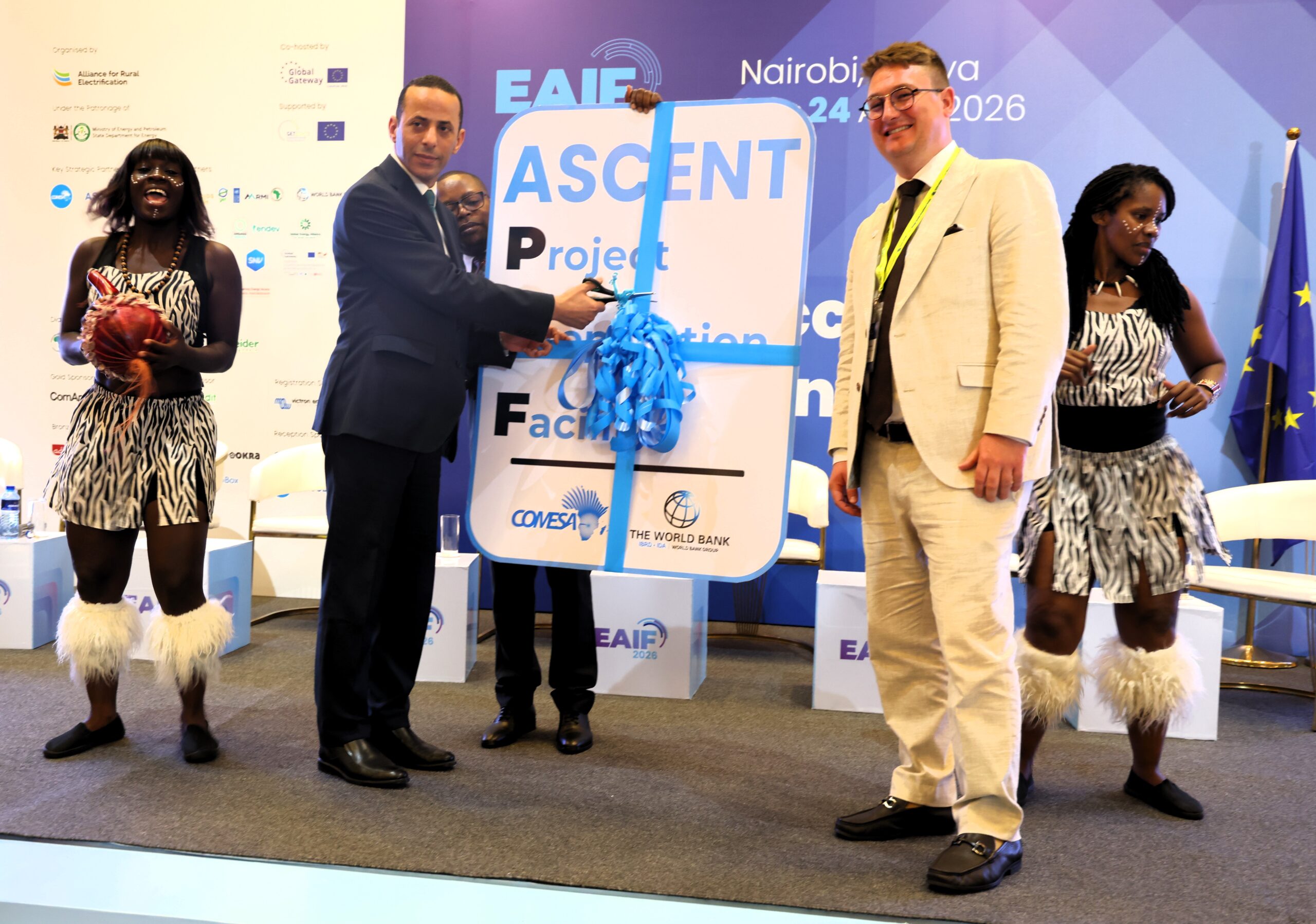
The Common Market for Eastern and Southern Africa (COMESA) has stepped up efforts to accelerate energy access in the region with the launch of a USD 25 million Project Preparation Facility (PPF) under its flagship Accelerating Sustainable and Clean Energy Access Transformation (ASCENT) programme.
Unveiled at the Energy Access Investment Forum (EAIF) 2026 in Nairobi and funded by the World Bank, the facility is designed to tackle one of the most persistent constraints in the energy sector, the gap between early-stage project ideas and bankable, investment-ready ventures.
The PPF forms a core pillar of the broader ASCENT programme, a multi-billion-dollar regional initiative aimed at transforming energy access across Eastern and Southern Africa. With a base financing envelope of USD 5 billion and potential to scale up to USD 15 billion, ASCENT targets the provision of electricity to 100 million people, particularly in underserved and rural communities.
At its core, ASCENT is structured to catalyse investment, strengthen technical capacity, and promote innovation in clean energy solutions. The programme focuses heavily on distributed renewable energy (DRE) systems and clean cooking technologies, recognising their critical role in expanding access where grid extension is either slow or economically unviable.
Speaking during the launch, COMESA Assistant Secretary General for Programmes, Ambassador Dr Mohamed Kadah, described the PPF as a decisive intervention to unlock the full potential of ASCENT by addressing bottlenecks in project development.
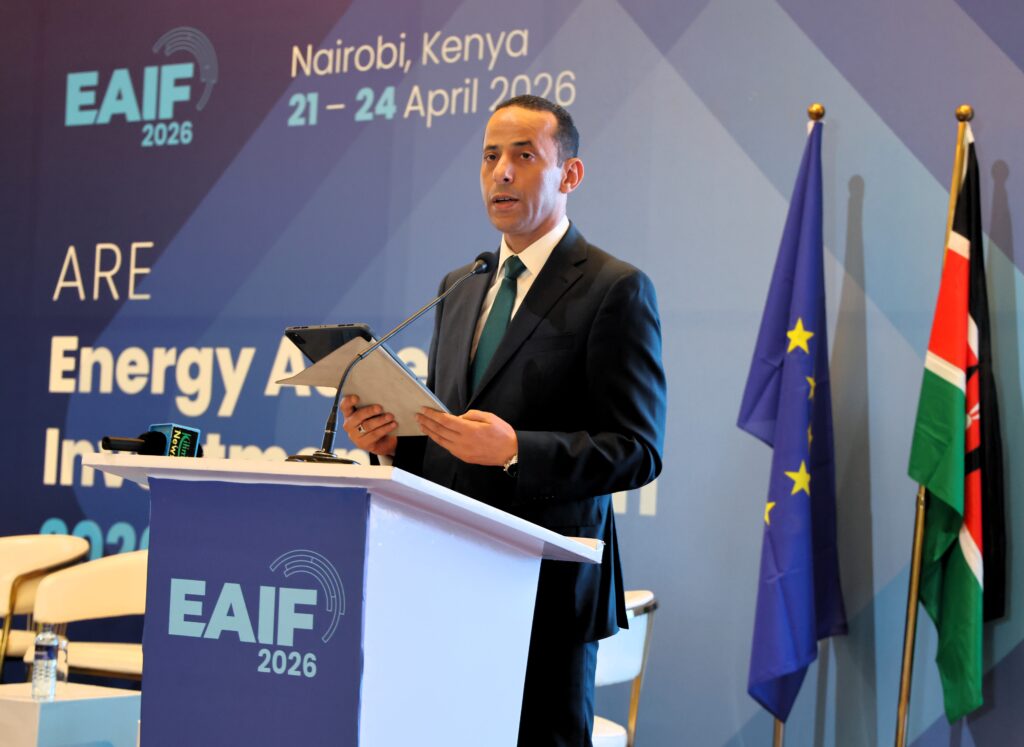
“The ASCENT Project Preparation Facility will reinforce our collective ambition to advance renewable electrification, promote productive use of energy, and accelerate the green transition. It will unlock opportunities for sustainable growth, empower communities, and strengthen regional integration.”
He added that the purpose of the PPF is to support governments and private-sector stakeholders in developing bankable, investment-ready energy access projects through a demand-driven approach. Despite the availability of proven technologies and growing private sector interest, Dr Kadah noted that many projects fail to attract financing due to weak preparation.
“Too many promising ideas do not progress because they lack technical structuring, financial modelling, risk allocation frameworks and transaction readiness. This is the gap that COMESA, together with the World Bank and partners, is determined to close,” he said.
The PPF will therefore focus on downstream project preparation, supporting feasibility assessments, financial structuring, risk analysis, and overall project design, to ensure initiatives meet the standards required by development finance institutions and commercial investors.
Through this approach, the facility is expected to build a strong pipeline of bankable projects across the region, enabling faster mobilisation of capital and accelerating implementation.
ASCENT itself operates through a multi-layered structure, combining regional coordination with national-level implementation. COMESA leads the regional component, working alongside partner institutions including the Trade and Development Bank (TDB), while participating countries implement national programmes based on agreed eligibility criteria. So far, more than half of the targeted countries have joined the programme, with efforts ongoing to expand participation.
A significant share of ASCENT financing is directed toward International Development Association (IDA)-eligible countries, allowing for grant-based support to some of the region’s least developed economies. This is expected to enhance inclusivity and ensure that vulnerable populations benefit from improved energy access.
The programme also prioritises off-grid and small-scale solutions, offering flexibility in reaching remote areas. These include mini-grids, standalone solar systems, and clean cooking technologies, interventions considered essential for reducing reliance on traditional biomass, which continues to pose health and environmental risks to millions of households.
“The question is not whether solutions exist,” Dr Kadah opined. “Distributed renewable energy technologies are proven, and clean cooking solutions are scalable. The challenge has been getting projects to a point where investors can support them.”
To ensure professional management of the PPF, COMESA has appointed Cygnum Capital as fund manager. The firm will oversee the development of a pipeline of projects, provide technical and financial advisory services, and ensure compliance with international standards of quality and bankability.
Beyond expanding electricity access, ASCENT is also designed to stimulate productive uses of energy in sectors such as agriculture, industry and commerce, a move expected to drive economic growth, create jobs, and enhance livelihoods.
COMESA says the launch of the PPF marks a critical milestone in the implementation of ASCENT, coming two years after the programme was initiated. Officials expect the facility to significantly accelerate progress by converting concepts into viable projects capable of attracting both public and private investment.
“This is not just the launch of a facility,” Dr Kadah said. “It is the beginning of a deliberate effort to address one of the most persistent barriers to energy access in Sub-Saharan Africa.”
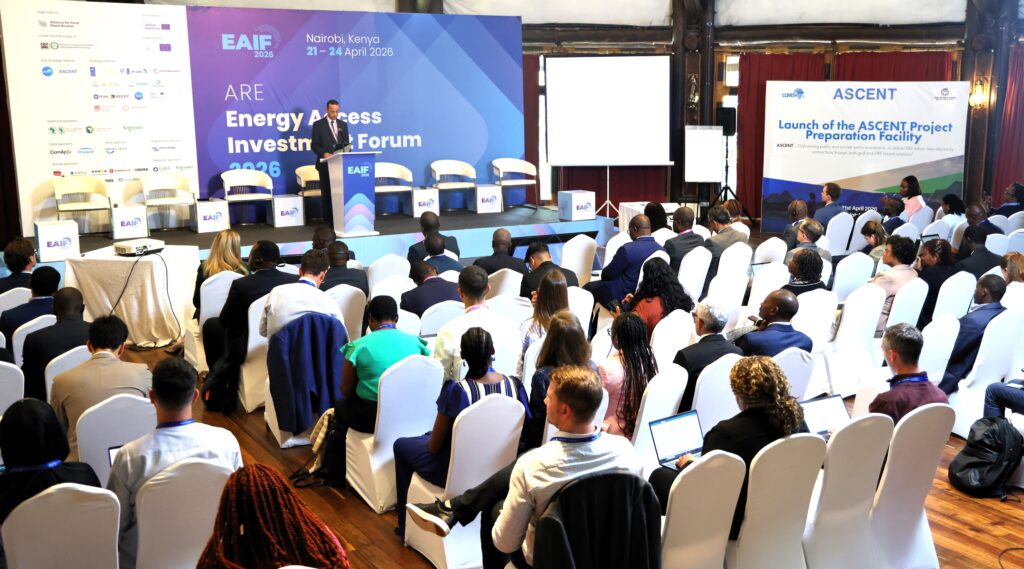
As governments, financiers, and private sector players rally around the initiative, the success of ASCENT will largely depend on sustained collaboration and the ability to scale up investment-ready projects across the region.
With millions still lacking reliable electricity and clean cooking solutions, COMESA is betting that a stronger project pipeline backed by targeted technical support and financing will be key to delivering a transformative leap in energy access across Eastern and Southern Africa.