
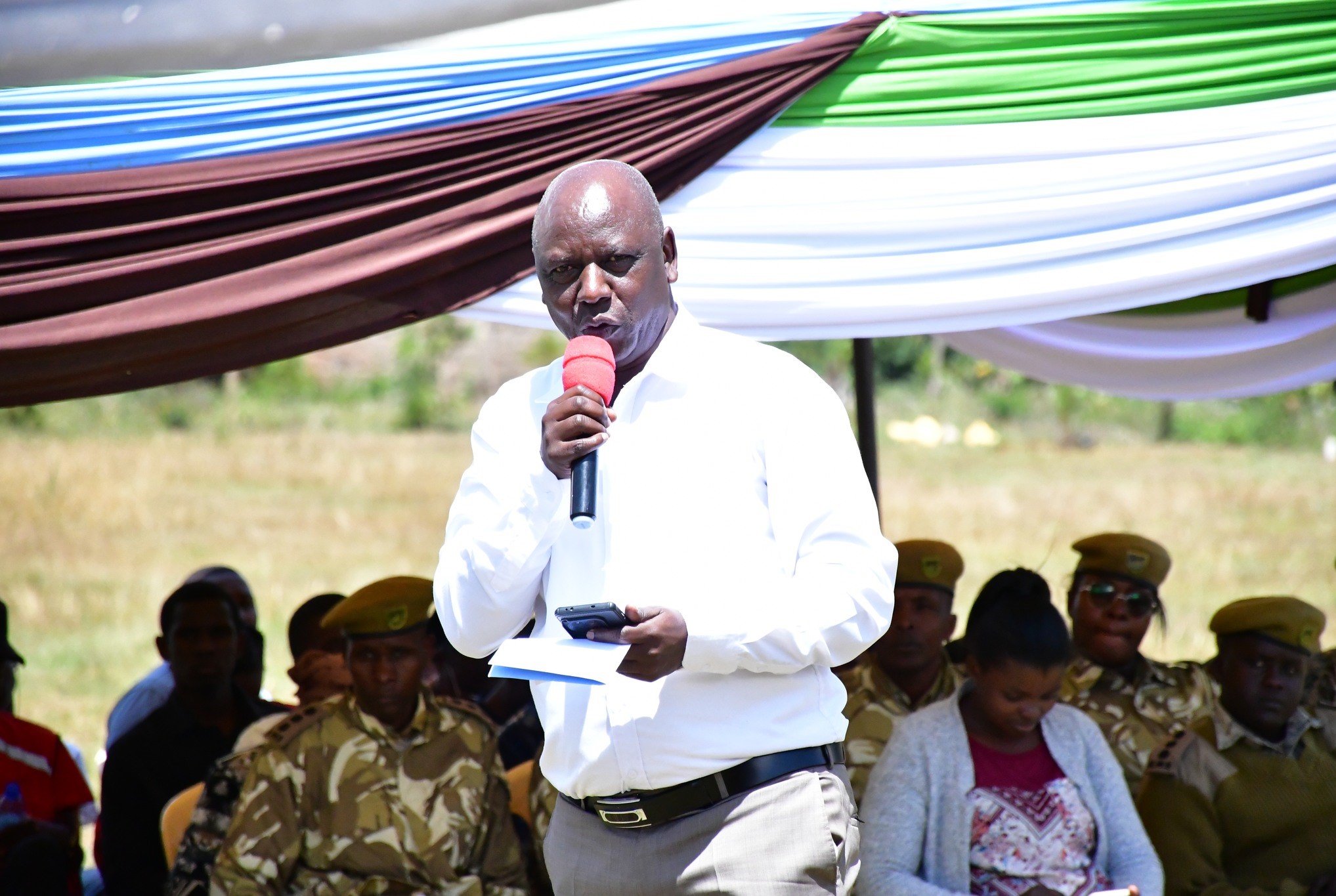
Reviving indigenous knowledge and traditional practices is critical to the conservation of wetlands, Nyeri County Executive Committee Member for Water, Irrigation, Environment and Climate Change, Frederick Kinyua, has said, warning that continued degradation of these ecosystems threatens both the environment and the country’s cultural heritage.
Kinyua said wetlands, which serve as critical water sources, have historically been central to traditional livelihoods, customs and community identities, and their destruction risks eroding cultural ties passed down through generations.
“In the past, our water sources, which are regarded as wetlands, used to have clean water. For centuries, communities have drawn water, food and medicines from these wetlands; therefore, they are part of our heritage, our traditions and our identity. So, we need to ask ourselves, how do we bring back the conventional methods of conserving our environment, and how do we modify them to make them practical for the older and younger generations?” he said.
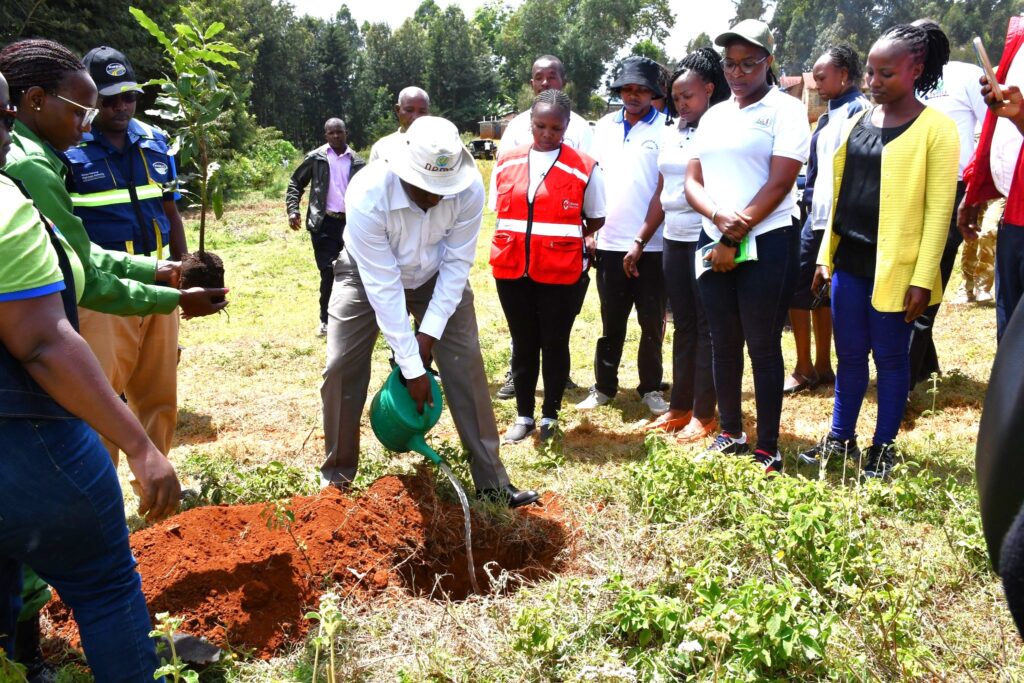
He was speaking at Kahuru Comprehensive School in Mathira Sub-county during celebrations to mark World Wetlands Day.
Kinyua noted that wetlands are valued not only for their ecological importance but also for their cultural relevance, having long provided communities with water, food and medicine. In Nyeri, he said, wetlands and riparian zones were traditionally regarded as sacred areas closely associated with healing and religion.
“Today, these lifelines are under threat from urbanisation, unsustainable farming, and climate change. All these are eroding the ecological value and cultural heritage, and what the ecosystem has to offer. If we lose our wetlands, we will definitely lose our heritage, which is why today, more than ever, we must make this our call to action. Each one of us must make it our responsibility to conserve the environment and especially our wetlands,” Kinyua said.
He said this year’s theme, Wetlands and Traditional Knowledge: Celebrating Cultural Heritage, underscores the need for conservation efforts to go beyond policy frameworks and incorporate indigenous practices that safeguard the environment.
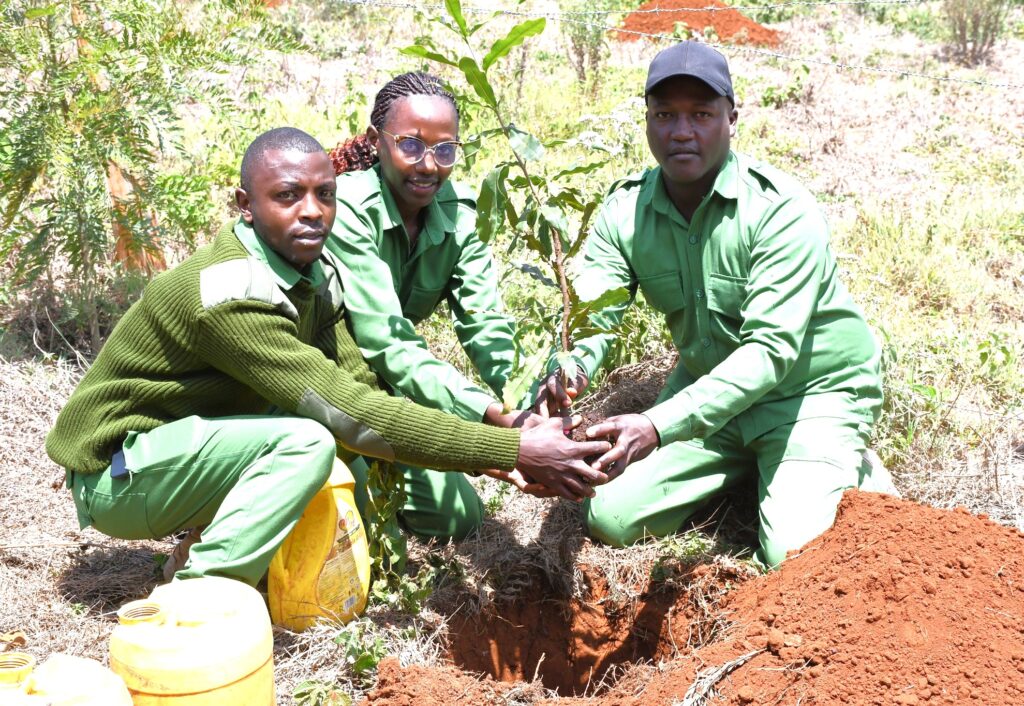
Kinyua said the county government has developed policies to guide the conservation and sustainable management of its 70 wetlands and riparian areas. He added that in the 2025/2026 financial year, the county restored seven springs, with 12 wetlands and springs earmarked for protection in the 2026/2027 financial year.
“All government agencies must honour their role in committing resources, enforcing protection and ensuring wetlands are safeguarded both for ecological and cultural continuity. Policies must be lived out in practice and not just on paper, so we are calling upon every partner who can come on board to help us restore these wetlands so they can start giving support and livelihood to our community,” he said.
The County Executive also urged Kenyans to embrace traditional medicine and plant indigenous trees alongside fruit trees, saying environmental conservation should deliver tangible benefits such as food, medicine and environmental protection.
His sentiments were echoed by Central Regional Director of the National Environment Management Authority (NEMA), Parnwell Simitu, who described wetlands as the “kidneys” of the earth.
Simitu noted that although wetlands cover only six per cent of the earth’s surface, they play a critical role in stabilising key environmental functions. He said NEMA has conducted a nationwide inventory of wetlands and developed management plans for water sources, while stepping up enforcement of existing laws to curb encroachment and prevent further destruction.