
By Henry Kinyua
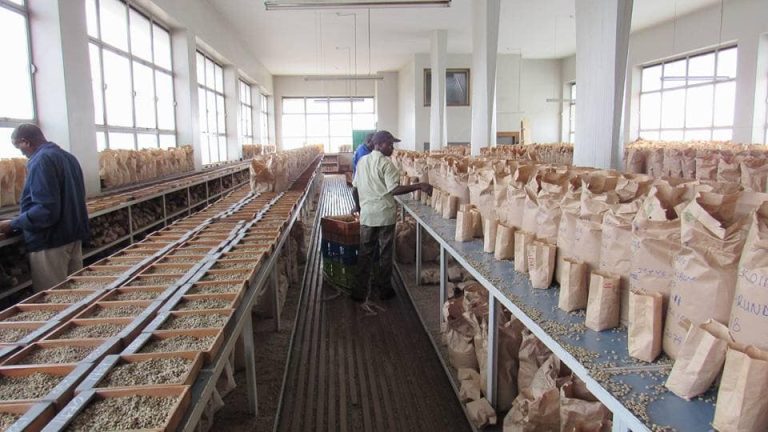
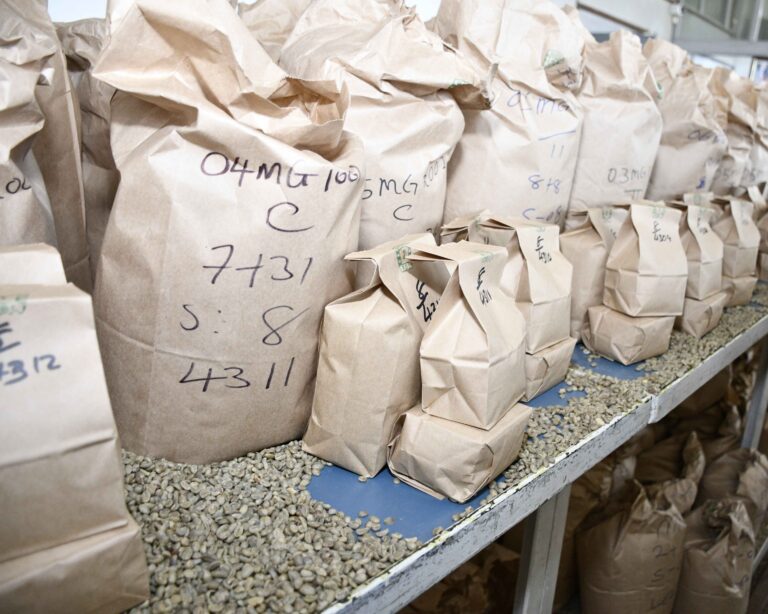
If coffee auctions followed the rhythm of music, the Nairobi Coffee Exchange (NCE) would be entering a well-timed interlude in May. The Exchange has announced that it will take an eight-week recess after Sale 29, pausing trading from May 12 to July 7, 2026, a move that may appear unusual to some, but is in fact a long-established market pattern.
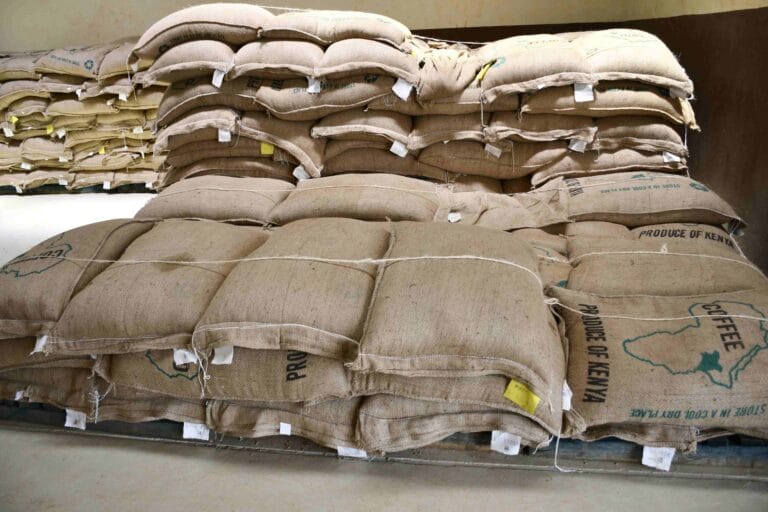
This scheduled recess aligns closely with Kenya’s coffee production cycle. By the time the market reaches Sales 28 and 29, the main season crop from the Mt. Kenya and Rift Valley regions, including key counties like Nyeri, Kirinyaga, Murang’a, and parts of Kericho and Nandi, has largely been delivered, milled, and traded.
With supply from these dominant regions tapering off, auction volumes typically decline, making continuous weekly trading less efficient. Rather than operate on thin catalogues, the Exchange pauses, allowing the market to reset.
The break also coincides with a geographical shift in coffee supply. From around June to July (Sales 30 onwards), fresh volumes begin to arrive from Meru, Machakos, and the wider Eastern region.

This transition is not just anecdotal; it is clearly reflected in trading patterns.
• Kirinyaga trend (Mt. Kenya region): shows strong early and mid-season peaks, followed by a sharp decline toward the later sales.
• Meru trend (Eastern region): starts slower but picks up momentum toward the later part of the season, filling the supply gap left by central Kenya.
Together, these trends illustrate a rotational supply cycle in which different regions dominate the market at different times of the year. Kenya’s coffee trade is not just about price; it is about timing, geography, and flow of supply.
The Nairobi Coffee Exchange recess is not a pause in activity; it is part of the system working exactly as it should. As one region exits the stage, another prepares to enter, keeping Kenya’s coffee story moving from one harvest to the next.