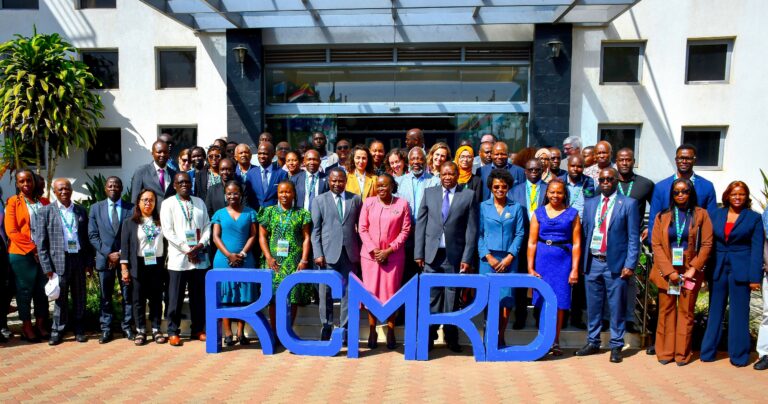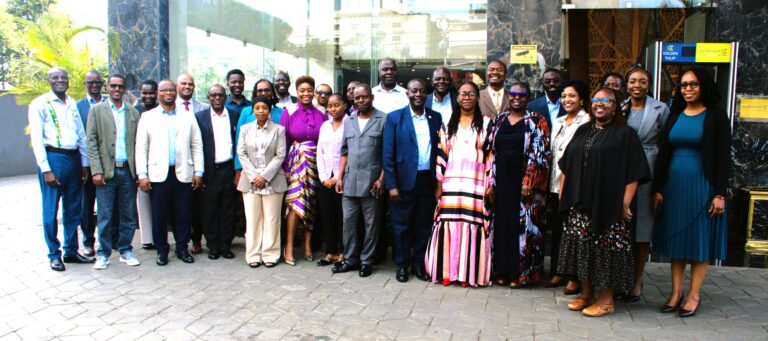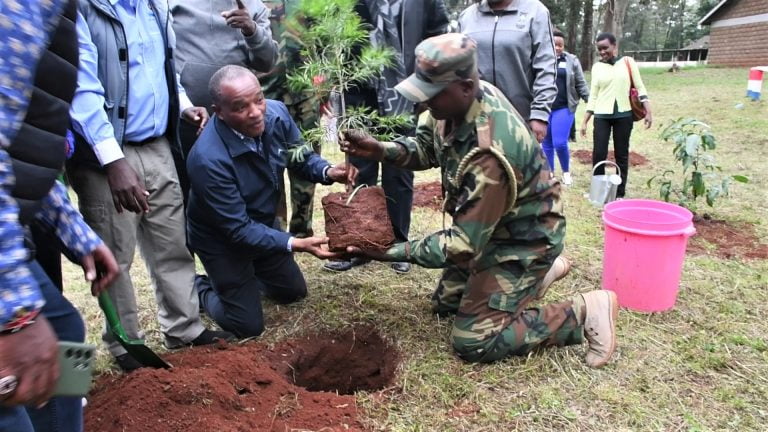

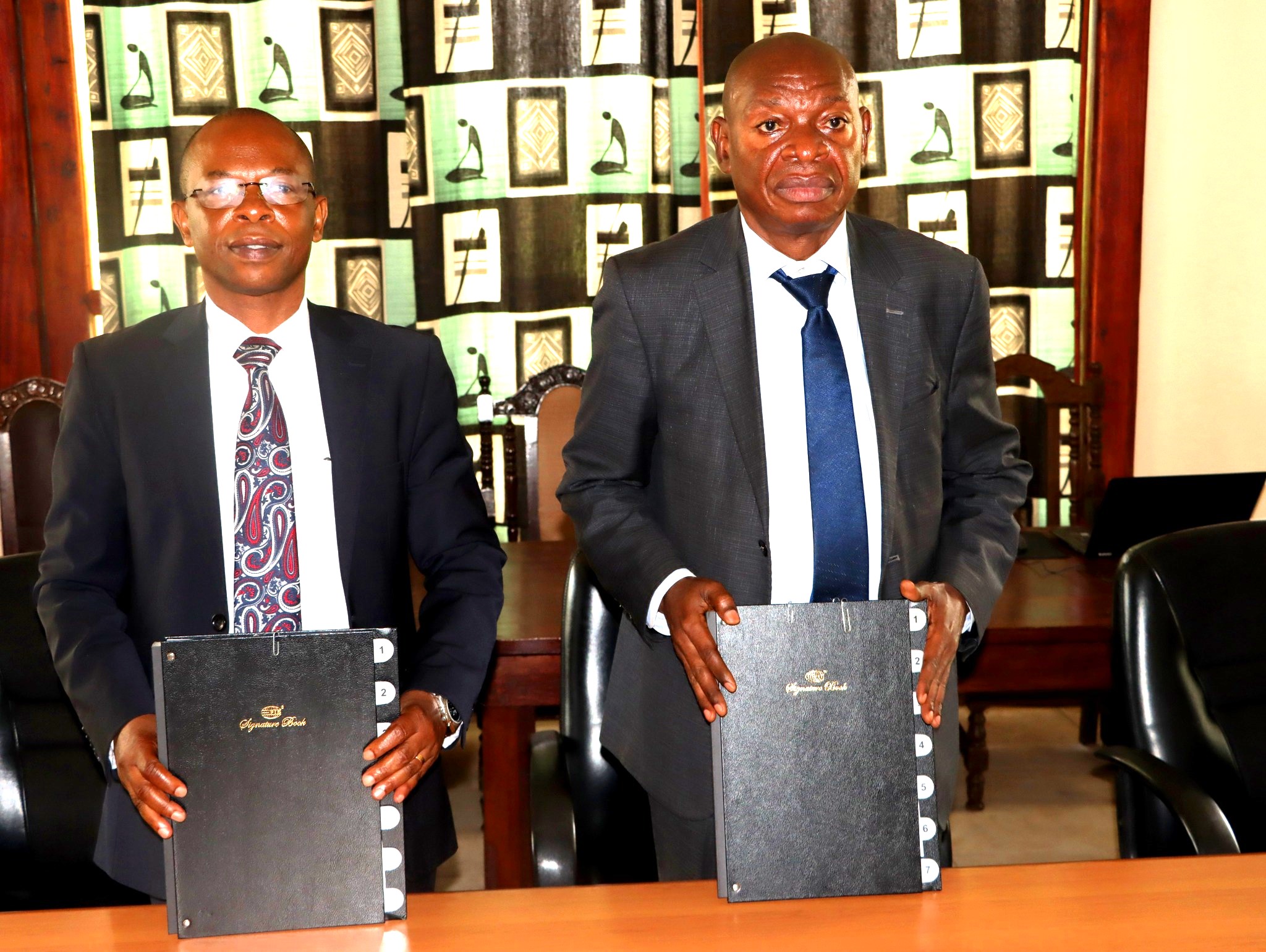
Regional institutions responsible for managing the Lake Victoria and Lake Tanganyika basins have signed a five-year cooperation agreement aimed at addressing escalating climate change, pollution and biodiversity challenges affecting millions of people across Eastern and Southern Africa.
The Lake Victoria Basin Commission (LVBC), headquartered in Kisumu, and the Lake Tanganyika Authority (LTA) formalised the Memorandum of Cooperation (MoC) in Kigoma, Tanzania, committing to enhanced collaboration in the sustainable management of transboundary water resources and the protection of vulnerable ecosystems within the two basins.
The MoC, facilitated under the EAC4Nature project with support from the German Federal Ministry for Economic Cooperation and Development (BMZ) through GIZ, provides a structured framework for joint action as both lakes face mounting environmental pressures linked to climate change, rapid population growth and expanding economic activity.
The partnership seeks to strengthen coordinated regional responses while advancing socio-economic development for communities that rely on the lakes for fishing, transport, water and livelihoods.
LVBC is a specialised institution of the East African Community (EAC), established under the 2003 Protocol for Sustainable Development of the Lake Victoria Basin. Based in Kisumu, the Commission coordinates sustainable development and management efforts across Kenya, Uganda, Tanzania, Rwanda and Burundi.
The Lake Tanganyika Authority was established in 2008 by the governments of Burundi, the Democratic Republic of Congo, Tanzania and Zambia under the Convention on the Sustainable Management of Lake Tanganyika. It oversees the sustainable management of Lake Tanganyika and its associated natural resources.
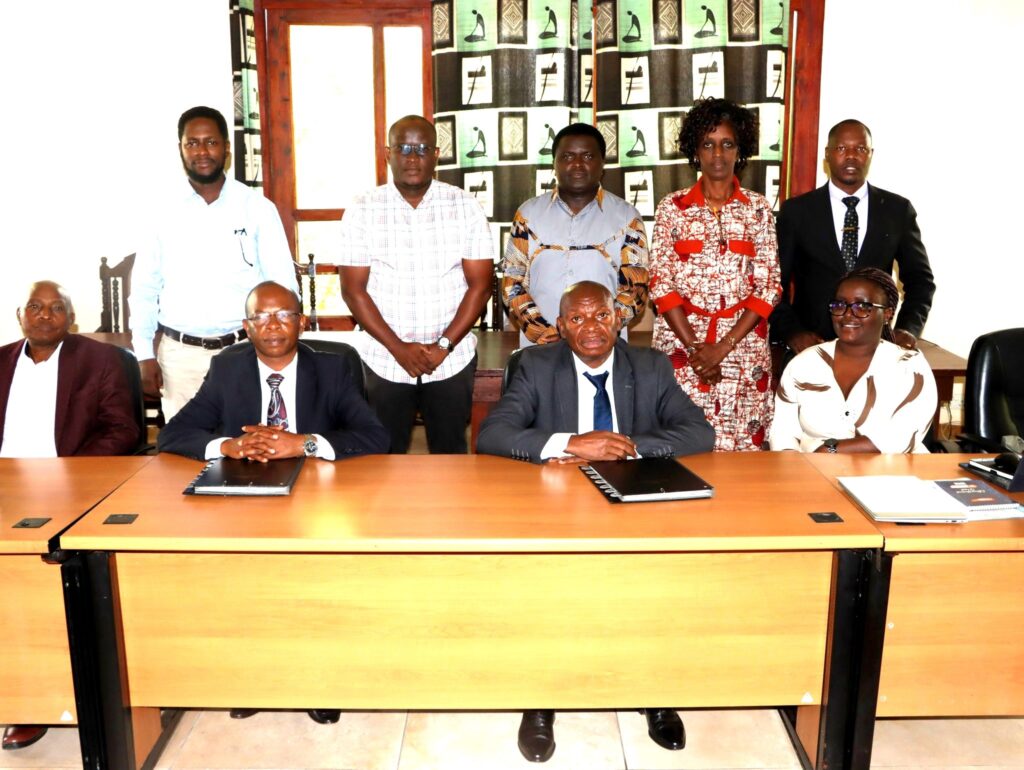
Under the five-year pact, the two institutions will collaborate on integrated water resources management, including joint water assessments, monitoring and the development of sustainable water-use policies aimed at curbing overexploitation.
The agreement also provides for joint initiatives on environmental protection and biodiversity conservation, focusing on managing invasive species, controlling pollution and restoring degraded habitats.
Climate change adaptation and mitigation form a central pillar of the partnership, with commitments to undertake research, roll out resilience strategies, promote renewable energy and support sustainable land management practices.
In addition, the two bodies will strengthen capacity building and knowledge sharing through joint training programmes, technical exchanges and regional workshops.
The MoC further promotes community engagement and socio-economic development by supporting community-led livelihood initiatives and enhancing cross-border cooperation.
Disaster risk reduction is also prioritised, with measures to improve early warning systems and coordinate responses to floods, droughts and other climate-related hazards.
Maritime safety and security will be enhanced through initiatives to prevent pollution from shipping activities, share best practices and mobilise resources to raise safety standards on the lakes.
To oversee implementation, the agreement establishes a Joint Implementation Committee comprising two representatives from each institution. The committee will coordinate work plans and budgets, oversee annual progress reporting and conduct biennial evaluations to assess impact and guide future collaboration.
The agreement will remain in force for five years and may be renewed by mutual consent.
LVBC Executive Secretary Dr Masinde Bwire and LTA Executive Director Sylvain Tusanga Mukanga reaffirmed their institutions’ commitment to strengthening regional cooperation in addressing shared environmental challenges.
The pact, they said, signals renewed regional resolve to protect the two lake basins, which together support tens of millions of people but are increasingly under strain from climate variability, pollution and unsustainable resource use.