
By Kimuri Mwangi
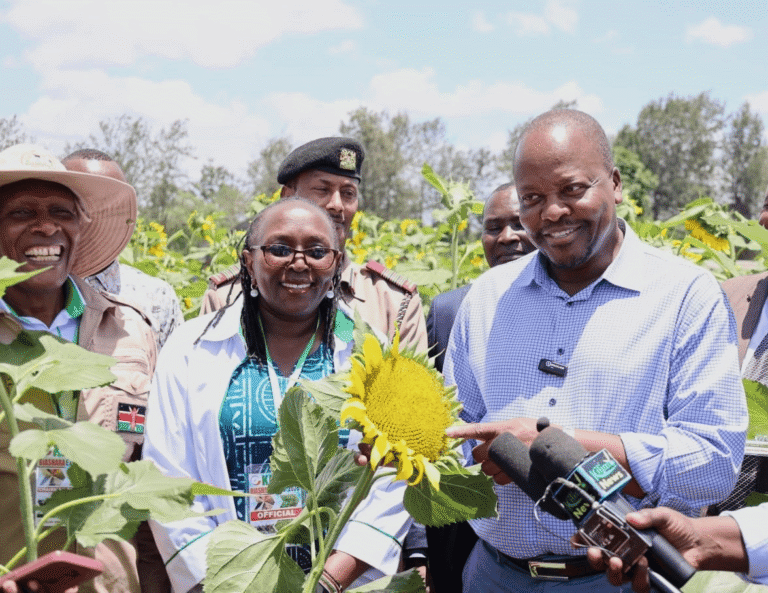
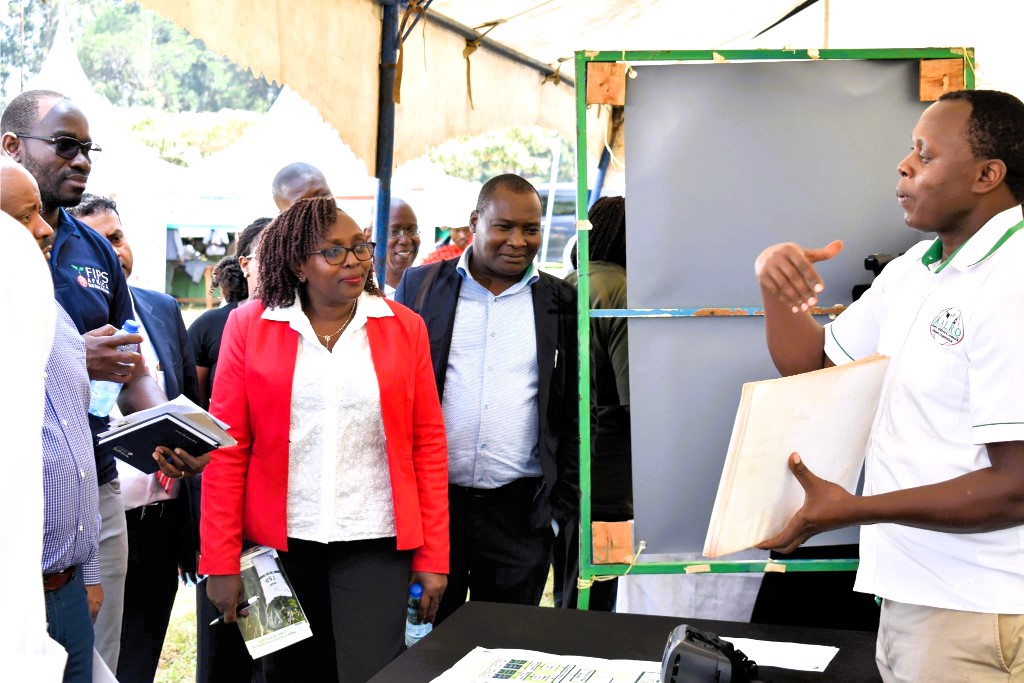
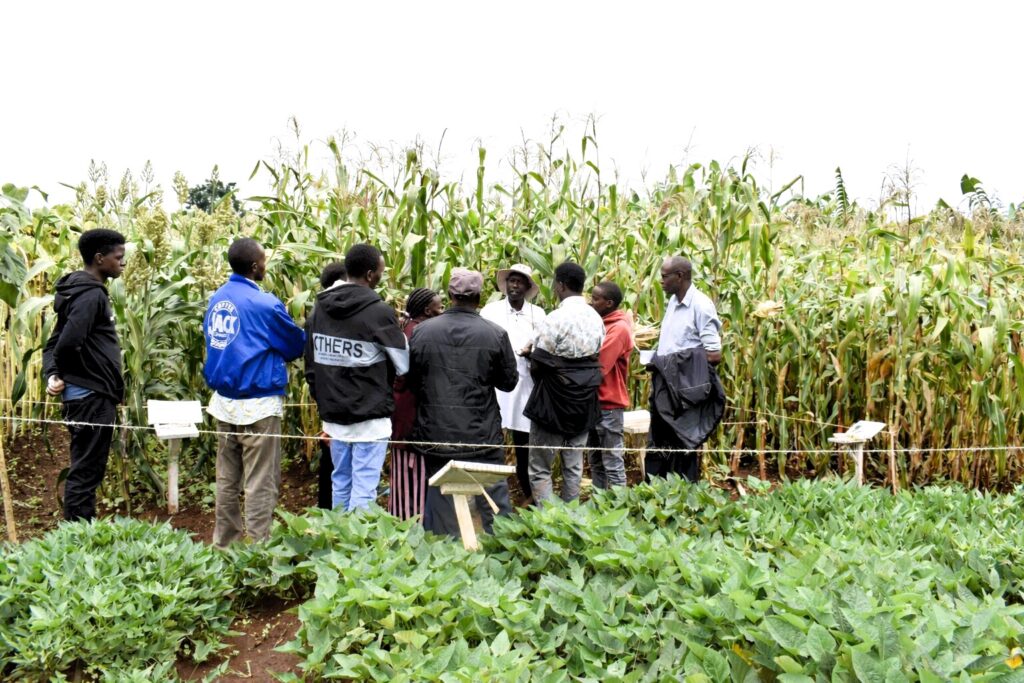
The Kenya Agricultural and Livestock Research Organization (KALRO) has intensified its call to bridge the gap between research and commercialization during its Fourth Annual Open Week and Exhibition at Kabete, held under the theme “From Research to Market, Scaling Agricultural Technologies for Inclusive Growth.”
Dr. Alice Murage, Deputy Director General (DDG) for Crops Research, represented Director General Dr. Patrick Ketiem at the two-day event, delivering his keynote address and outlining the institution’s milestones in agricultural innovation.
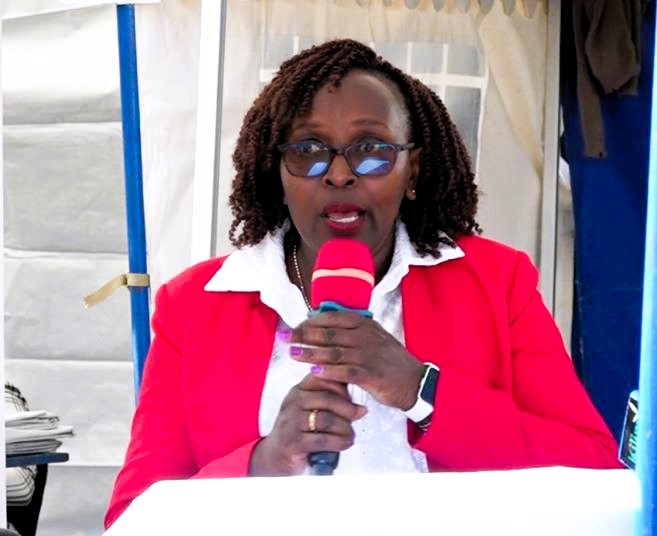
“This initiative serves as a critical forum for farmers, researchers, students, and stakeholders to interact with experts, explore cutting-edge agricultural technologies, and witness innovations designed to boost productivity and enhance sustainability in Kenya’s agricultural value chain.” The exhibition, he noted, contributes to food security, enhances agri-based industrial growth, and empowers the grassroots to drive economic growth and job and wealth creation, in line with the Government of Kenya’s Bottom-Up Economic Transformation Agenda. KALRO, he added, has been at the forefront of driving agricultural research, delivering cutting-edge technologies and innovations that have empowered farmers and improved livelihoods.
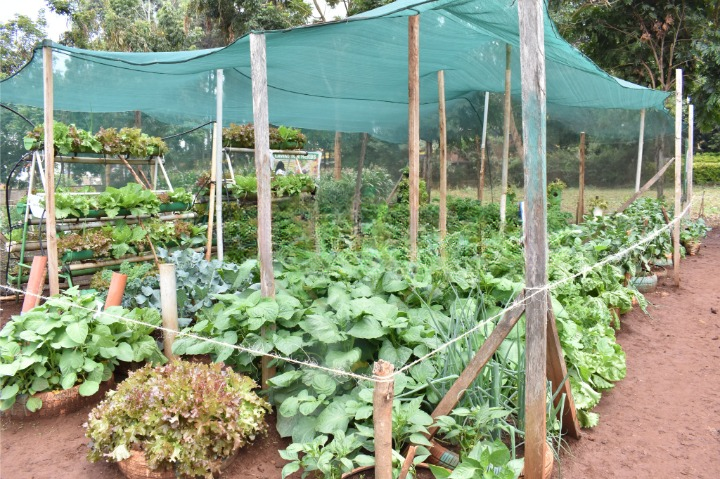
Over the past year, the institution reported progress in crop improvement, including the development of high-yielding, disease-resistant, and nutritious crop varieties, such as the Nyota bean and pest- and drought-tolerant maize varieties, including the WE5206 and the Ukamez maize hybrids. These varieties, he noted, are not only boosting productivity but also enhancing nutritional value and marketability.
Beyond crop genetics, KALRO has expanded its focus on sustainability. “Our focus on sustainable farming practices is helping farmers adapt to changing climate conditions, conserve natural resources, and reduce environmental impact,” he opined. To accelerate technology uptake, the organization has invested in digital outreach. “Through our digital technology transfer services and our call centre, we have ensured that the latest agricultural technologies and practices reach farmers in even the most remote areas.” He urged farmers to use the call centre services to avoid fraudsters swindling their resources.
KALRO and the Government of Kenya, through the Ministry of Agriculture and Livestock Development, in collaboration with the NAVCDP project, have also initiated a nationwide digital soil mapping exercise. Soil samples collected from 45 counties will support agricultural planning in line with Kenya Vision 2030 and the Fourth Medium-Term Plan by leveraging science, technology, and innovation.
“As we look to the future, our commitment to agricultural research and innovation remains unwavering. We recognise the challenges that lie ahead, from climate change to food insecurity, and we are prepared to tackle them head-on with science-based solutions and collaborative efforts,” concluded the Director General.
Dr. James Mwaura, Chairman of the Kenya National Chamber of Commerce and Industry (KNCCI), Nairobi Chapter, commended KALRO’s scientific achievements but challenged stakeholders to strengthen value chains and market positioning. “From your theme today, from research to markets, scaling agriculture technologies for inclusive growth, all you need is joining the dots. The real value is there, but before you go to market, we need to add the values.”
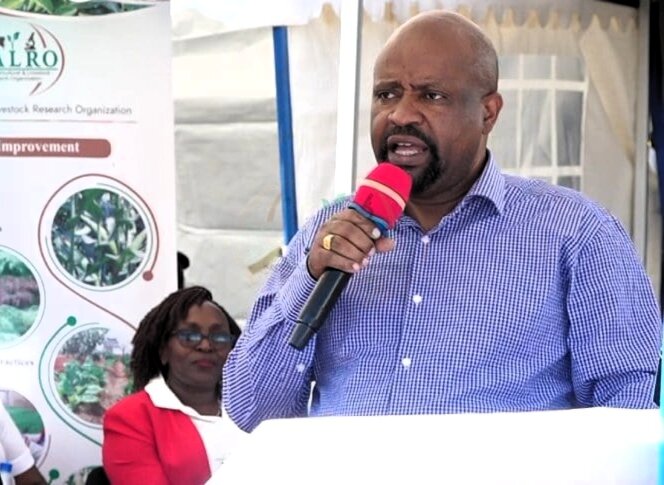
Using maize as an example, Dr. Mwaura pointed to opportunities for diversification and higher returns. “At the milk stage, why can’t we combine it with something and then we create food for the cows, because that’s where the money is. You’ll end up getting 10 times more, compared to if you harvest the same maize when it is only about three and a half months old.”
He argued that Kenya’s persistent challenge lies in structuring effective value chains. KNCCI, he said, is ready to support commercialization efforts. “Our biggest role is to create access to markets and put you in the world arena. You should be like the Canton Fair in China, and different people will come to this setup to check out all the displays which we have and try out our technology.”
He concluded with a challenge to reposition KALRO as a market leader. “I have been to many places, and the depth of your research is too advanced. We just haven’t tapped on it. Most people know that 95 percent of what you do is research only, but they don’t know about the many innovations and products you have. Even as a government institution, you can actually change that narrative and still be number one in the market, without losing anything.”