
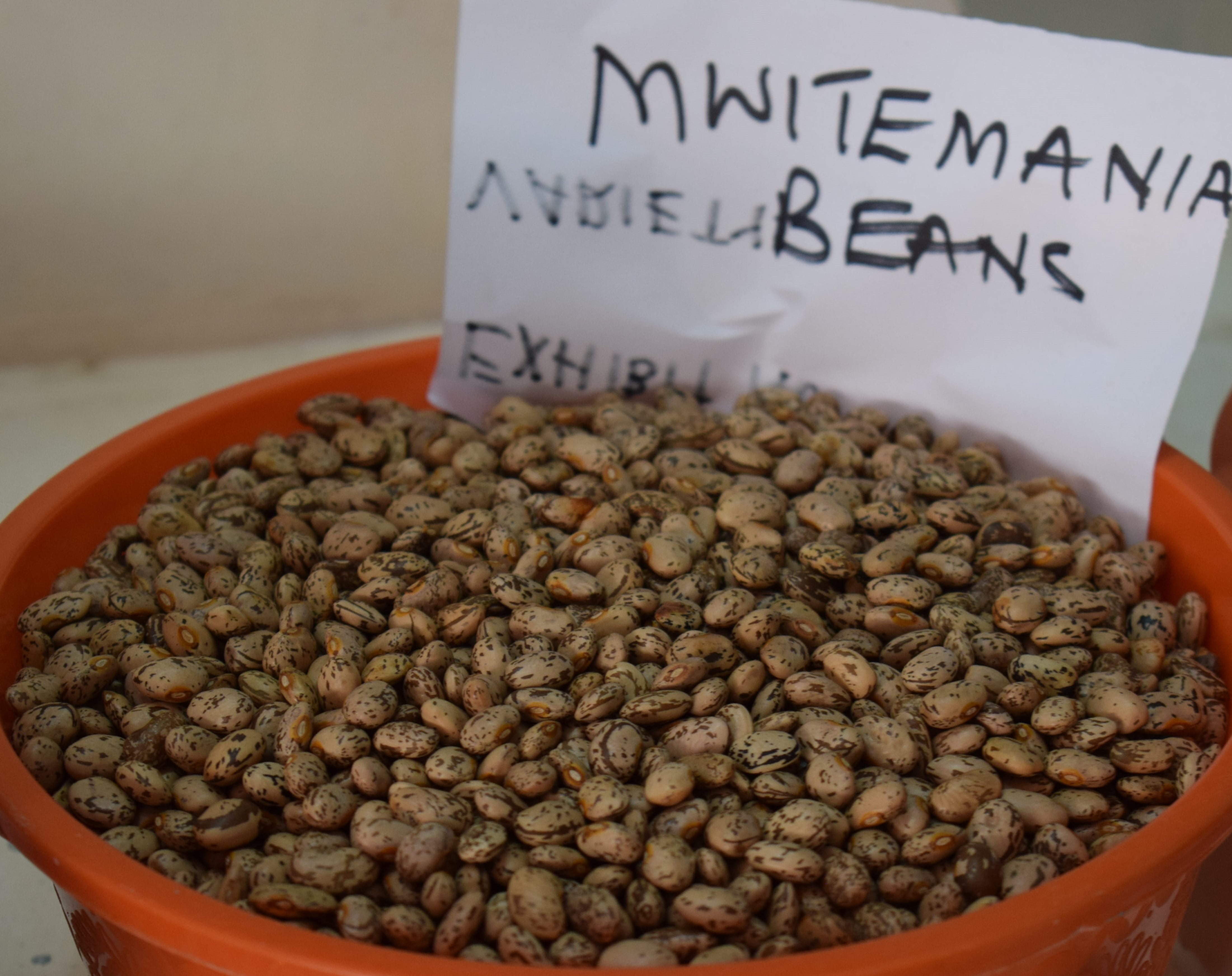
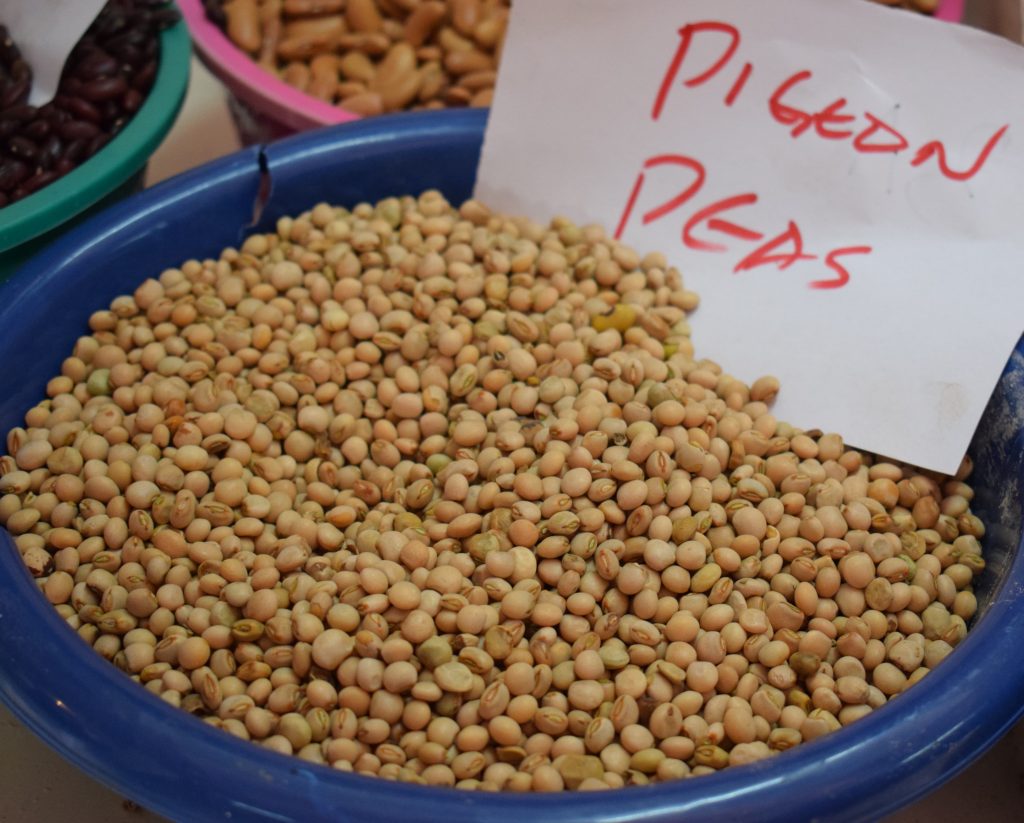
Pulses, chickpeas, lentils, beans, and peas are already the heroes of our kitchens worldwide. From Spanish lentejas, Indian dal to Chinese hongdou tang, American Boston baked beans, Brazilian feijoada, and Caribbean potaje, these humble legumes have sustained communities across continents for generations. Globally, we produce 96 million tonnes of pulses annually and consume an average of 7.67 kilograms per person. Together, their global reach and everyday presence point to a larger question: how these foods, already woven into daily life, can help meet the world’s most basic nutritional needs.
Pulses contain protein and essential micronutrients and reduce the risk of diet-related diseases. They are essential ingredients in therapeutic foods that help treat children suffering from severe malnutrition. Beyond their nutritional value, pulses also strengthen agricultural systems. Through biological nitrogen fixation, they draw nitrogen directly from the air, reducing the need for synthetic fertilizers in subsequent crops and naturally improving soil fertility. Very few crops offer such broad and lasting benefits at such low cost.
Yet a fundamental question persists: if pulses deliver nutritional, economic, and environmental benefits, why don’t more people eat them?
The core issue isn’t a lack of production capacity; many major pulse-growing countries (like India, Canada, and others in Asia and Africa) already produce substantial quantities, often enough to meet or come close to domestic needs when accounting for global trade. The real bottleneck lies in the downstream systems that bridge farms to consumers, preventing pulses from becoming a regular, accessible, and appealing part of everyday diets.
This means pulses frequently fail to appear consistently and conveniently where people shop and eat: on regular store shelves (due to poor distribution, seasonal shortages, or inadequate retail stocking), in school cafeterias and public institutions (where procurement and menu integration lag), and in prominent national dietary guidelines or promotion campaigns (which often under-emphasize pulses compared to other proteins). To drive meaningful behaviour change and close this gap, we need targeted interventions that make pulses more visible, familiar, and desirable.
This is where policy can help connect what farmers grow with what people eat every day. Clear national dietary guidelines can present pulses as a prominent source of protein, reshaping perceptions and choices. School feeding programmes and public procurement can create stable demand by introducing children to pulses and building lifelong eating habits, while addressing malnutrition. Increasing pulse consumption is easier when pulses are processed into familiar foods like dal, hummus, canned beans, or ready-to-cook products that are affordable and easy to find.
Despite agricultural incentives often favouring export-oriented initiatives, global pulses trade remains modest. Incentives should therefore be reoriented and expanded to better support local production for local consumption.
The path forward rests on four interconnected actions. First, policy recognition: elevating pulses as strategic crops within agricultural planning, dietary guidance, and public procurement. Second, infrastructure investment: supporting processing, storage, and locally adapted research. Third, market development: ensuring pulses are widely available where people shop, offered in familiar formats at affordable prices. And fourth, consumer enablement: overcoming household-level barriers through education on the nutritional benefits and simple soaking and cooking methods to reduce discomfort, the development of convenient options (such as ready-to-eat or flour-based products), and community or media campaigns that reposition pulses from “old-fashioned” or “poor people’s food” to modern, flavourful, health-promoting staples.
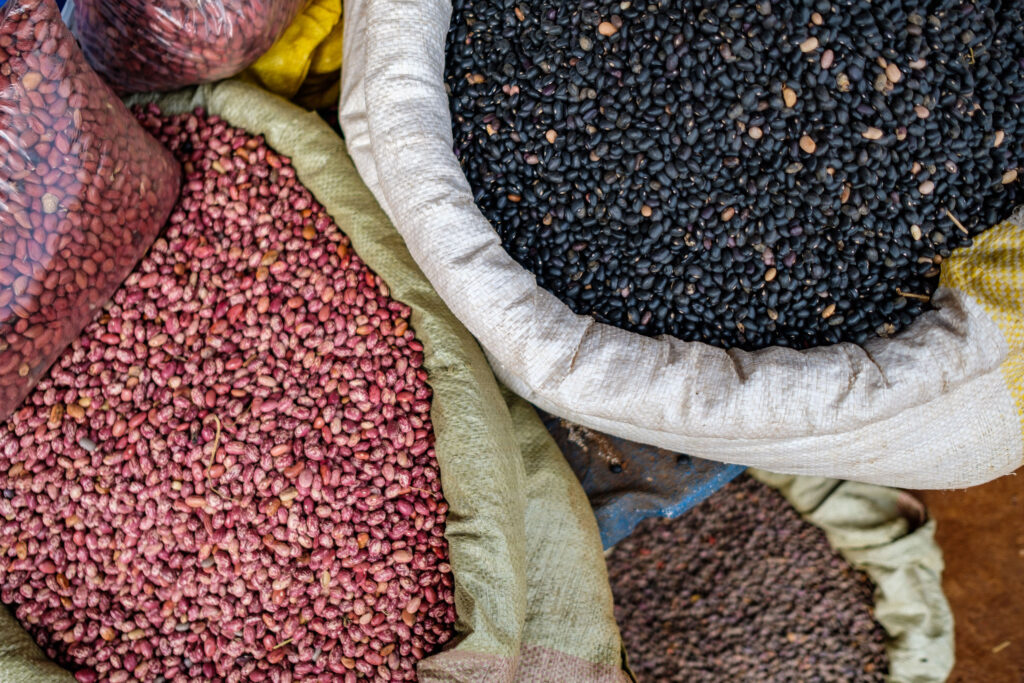
These efforts align closely with the work of the Food and Agriculture Organisation of the United Nations (FAO) to champion pulses as essential to sustainable agrifood systems. Building on the momentum of the 2016 International Year of Pulses, FAO spearheads the annual World Pulses Day on 10 February, designated by the United Nations General Assembly, to spotlight the nutritional value, soil-enriching nitrogen fixation, climate resilience, and contributions to food security of pulses.
At the country level, FAO partners with governments and the private sector to harness pulses for fighting malnutrition and bolstering local agrifood systems.
The rewards of these initiatives are immense: healthier people, more sustainable farms, and equitable agrifood systems. Pulses thrive in diverse climates, deliver proven nutrition, and pave the way to resilient, plant-forward diets. With coordinated action from governments, farmers, processors, and consumers, we can turn pulses’ vast potential into an everyday reality, from fields to plates worldwide.