
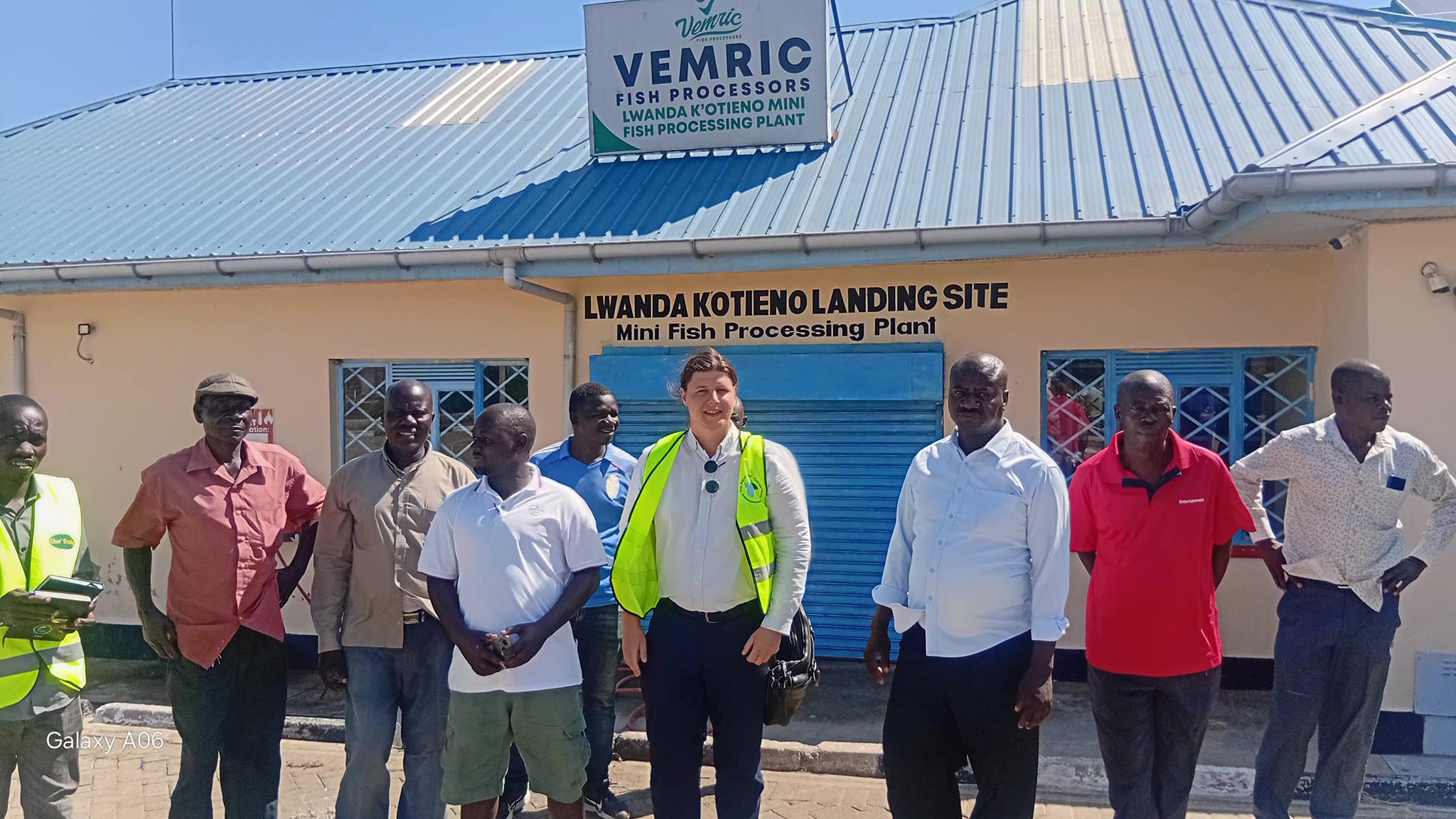
Operations at the government-sponsored Sh140 million Luanda K’Otieno fish landing and cold storage plant in Siaya County are set to commence this month, marking the long-awaited start of activities at the facility.
The multimillion fish processing plant and ice production facility was commissioned in November 2024 by the then Fisheries and Blue Economy Cabinet Secretary Najib Balala before being handed over to investor Vemric Enterprise in early 2025.
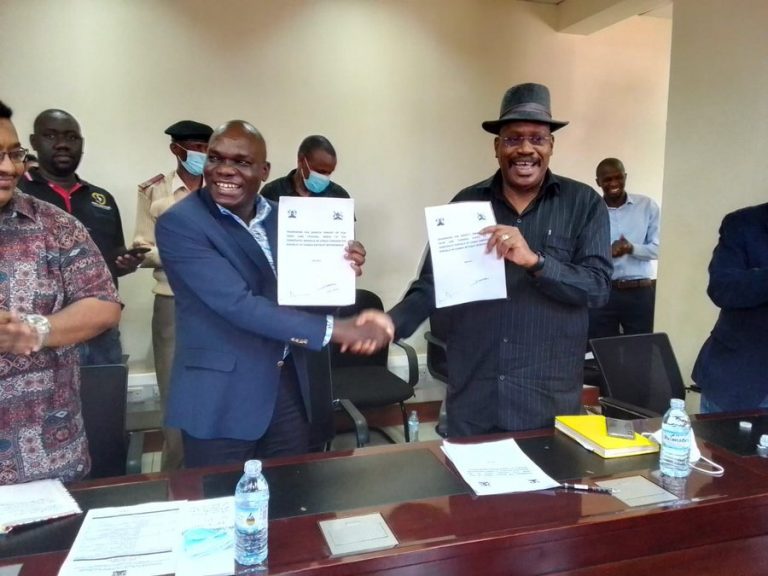
Vemric Enterprise Chief Operations Officer Kenedy Komba said delays in operationalising the plant were caused by logistical, bureaucratic and structural challenges that had to be addressed before operations could begin. He spoke to the press after a stakeholder meeting attended by members of the Lwanda K’Otieno beach community.
The stalemate was eventually resolved after the Siaya County government issued the firm with final approval following a year marked by compliance bottlenecks and regulatory hurdles.
Komba said the investor was required to inject additional funds to upgrade the facility to international standards to secure certification for fish exports to markets such as the European Union. He added that government processes related to obtaining compliance certificates and licences from the Kenya Bureau of Standards (KEBS) also contributed to the delays.
He further disclosed that the facility’s ice-making machine experienced frequent breakdowns, each costing more than $2000 to repair. In addition, recurring power outages forced the company to rely on a diesel generator at a cost exceeding $70 per day, making operations uneconomical.
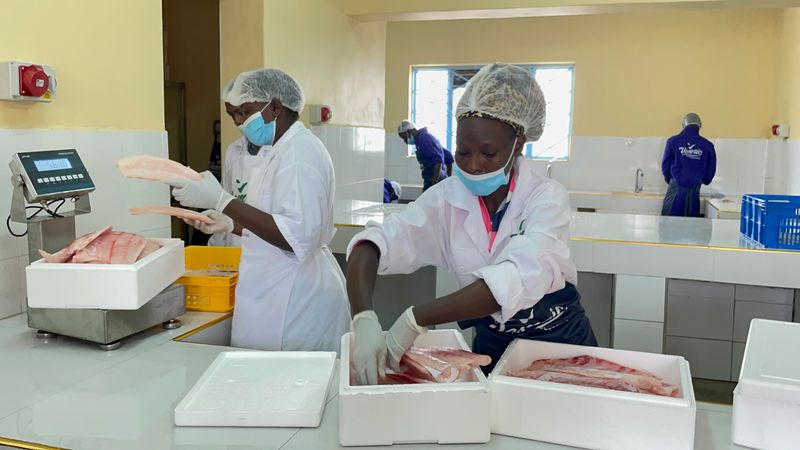
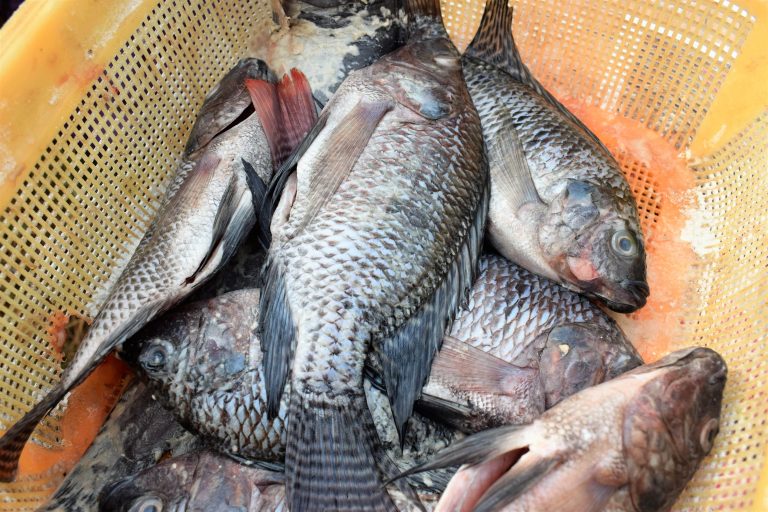
Komba said discussions with fisheries stakeholders and community members resulted in an agreement with local fishermen to supply fish to the company at reasonable and sustainable prices.
“One of the challenges we faced when we came in was the pricing of fish. There was a notion locally that investors have a lot of money, so one kilo of fish, which is sold for Sh550 in Nairobi, was sold to us for between Sh700 and Sh800 locally.
“We have met the fishermen and agreed that for the company to operate, the prices must be realistic and sustainable,” said Komba.
He noted that most of the challenges that had delayed the project had been resolved, although discussions with Kenya Power were ongoing to address persistent electricity outages that continue to affect operations.
Komba said the company remained committed to its agreement with the Siaya County government to employ at least 50 percent of its workforce locally, adding that 60 percent of the current staff had already been recruited from the area in roles including casual labourers, security personnel, filters and trimmers.
The fish processing plant has the capacity to handle up to 15 tonnes of fish daily, with the company focusing on value addition and establishing market linkages.
Rarieda Sub-county Beach Management Unit Coordinator George Otuoma confirmed that stakeholders had agreed to support the plant’s operations by ensuring a consistent supply of fish at reasonable prices and by sourcing additional catch from other beaches within the county.
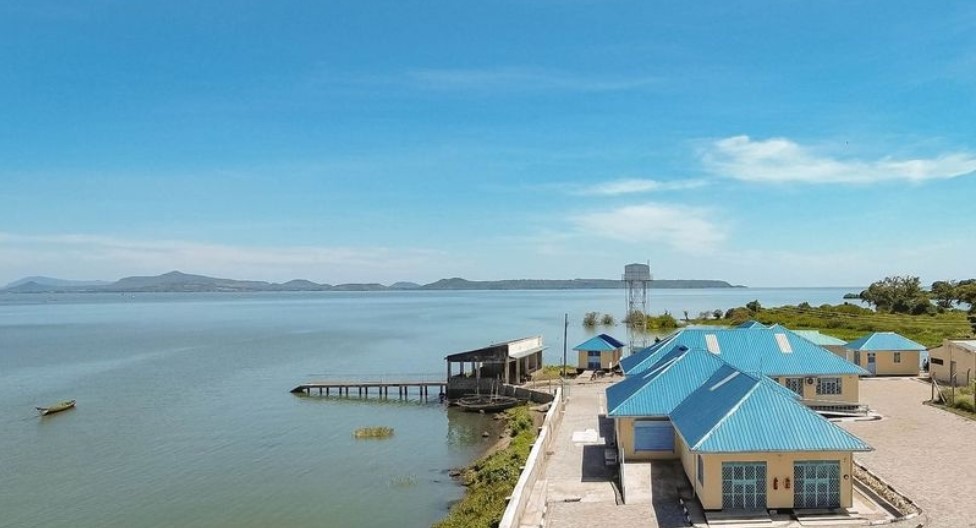
“Lwanda K’ Otieno beach alone cannot supply the company with 15 tonnes of fish every day, so we have reached out to over ten beaches in Rarieda to boost the supply,” Otuoma said.
Local fisherman Asha Amari expressed optimism that the plant would help stabilise fish prices and create employment opportunities for residents.
Fishmonger Beatrice Atieno Otieno said the facility would provide much-needed relief to fishermen who previously incurred losses due to a lack of adequate storage facilities.
“We are happy that the plant will boost fish trade at the locality and it will be a blessing for fishermen who come late with their catch, who now have a cold storage facility within their reach,” said Atieno.