
Ethiopia’s Environmental Protection Authority Director General Lelise Neme has underscored the importance of implementing a circular economy to support sustainable development, achieve national and continental development goals, and build resilient, clean cities.
Neme made the remarks during the opening of the 8th International Forum on Cities and Circular Economy, in Addis Ababa, Ethiopia, which has convened policymakers, experts and development partners to address the growing challenge of solid waste in rapidly urbanizing cities.
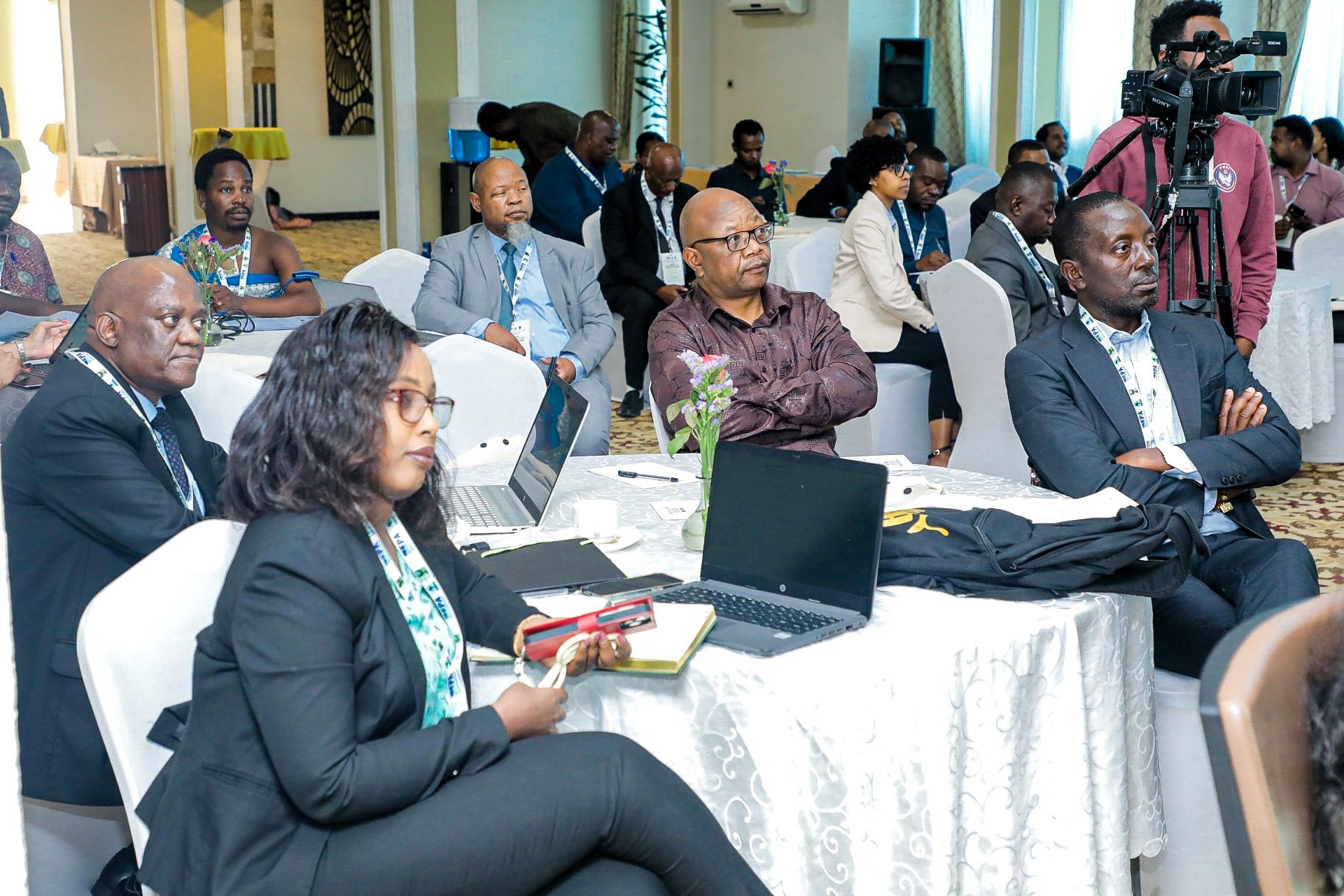
The three-day forum, attended by participants from 15 African countries, aims to explore effective waste management solutions and promote the sharing of experiences among member states.
Studies show that solid waste generation in Sub-Saharan African cities is increasing at an alarming rate, creating complex environmental and urban management challenges. In 2016, cities in the region generated about 174 million tons of solid waste, a figure projected to rise to 522 million tons by 2050 if effective interventions are not implemented.
The Forum on Cities and Solid Waste Circular Economy was established as a collaborative platform to address these challenges by promoting innovative solutions, strengthening partnerships and advancing sustainable waste management practices.
Speaking at the opening session, Neme said the forum provides an important platform to discuss environmental policy, sustainable development and the future of cities.

She noted that Ethiopia is pursuing ambitious environmental and development goals through initiatives such as the Climate Resilient Green Economy Strategy, the Ten-Year National Development Plan and the National Circular Economy Roadmap launched during the 2024/25 Ethiopian fiscal year.
“For Ethiopia, the circular economy is not a distant aspiration; it is an essential pathway for achieving sustainable development, building resilient cities, and advancing both national and continental development goals,” she said.
According to Neme, these frameworks seek to decouple economic growth from resource consumption and environmental degradation through measures such as strengthening sustainable waste management and recycling systems, including those for plastics, batteries and electronic waste.
They also prioritize the promotion of eco-industrial parks and extended producer responsibility systems, accelerating the transition to clean energy and green transport, and supporting green entrepreneurship, particularly among youth and women.
Also speaking at the forum, State Minister of Urban and Infrastructure Fanta Dejene warned that rapid urbanization is generating large volumes of waste that could pose serious risks to human health, the environment, infrastructure and natural resources if not properly managed.

He said the ministry is working to ensure sustainable urban growth by integrating strategies aimed at transforming solid waste into valuable economic resources.
India’s Ambassador to Ethiopia, Anil Kumar Rai, highlighted India’s experience in waste recycling and the creation of green jobs, reaffirming his country’s commitment to supporting member states through technology transfer, knowledge exchange and capacity-building initiatives.
Meanwhile, Sunita Narain, Director General of the Centre for Science and Environment (CSE), stressed that implementing a circular economy requires strong public awareness, particularly in waste segregation at the source, as well as coordinated efforts among governments, institutions and communities.

During the forum, the Addis Ababa City Cleansing Management Agency presented its best practices in waste recycling, riverside development initiatives and the ongoing Corridor Development Project in Addis Ababa.
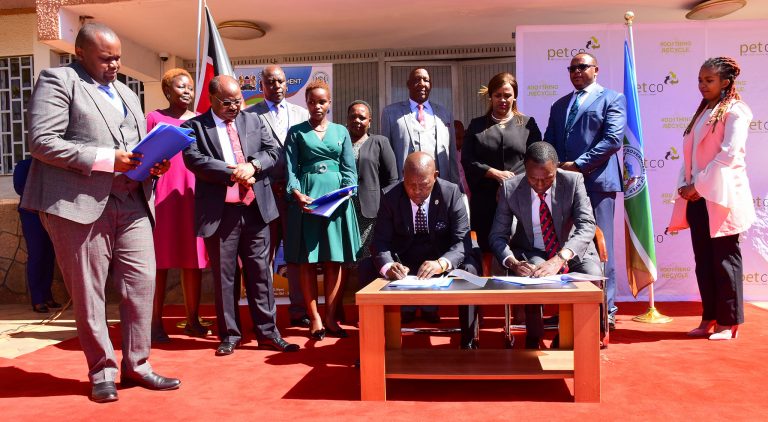
On the first day of the event, a Memorandum of Understanding (MoU) was also signed between the Environmental Protection Authority and the Centre for Science and Environment to strengthen cooperation on circular economy initiatives and sustainable waste management.