
By Kimuri Mwangi
Africa’s agriculture and food sectors remain central to economic growth and employment but continue to face significant challenges requiring reforms, stronger investment and deeper regional integration, speakers said during a public-private dialogue in Nairobi on sustainable trade and investment in the agrifood sector.
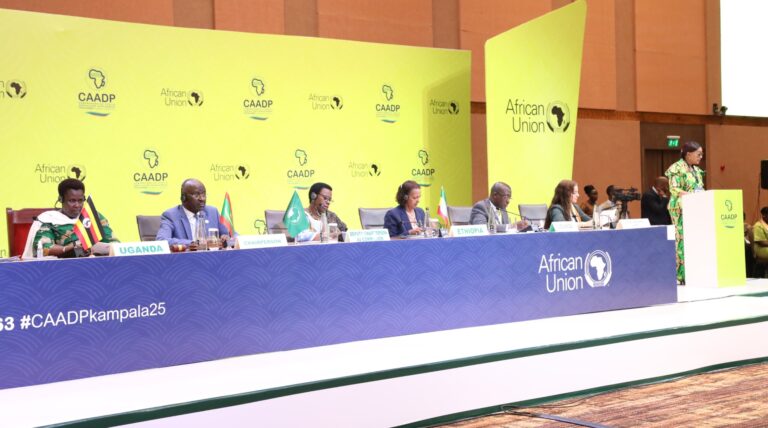
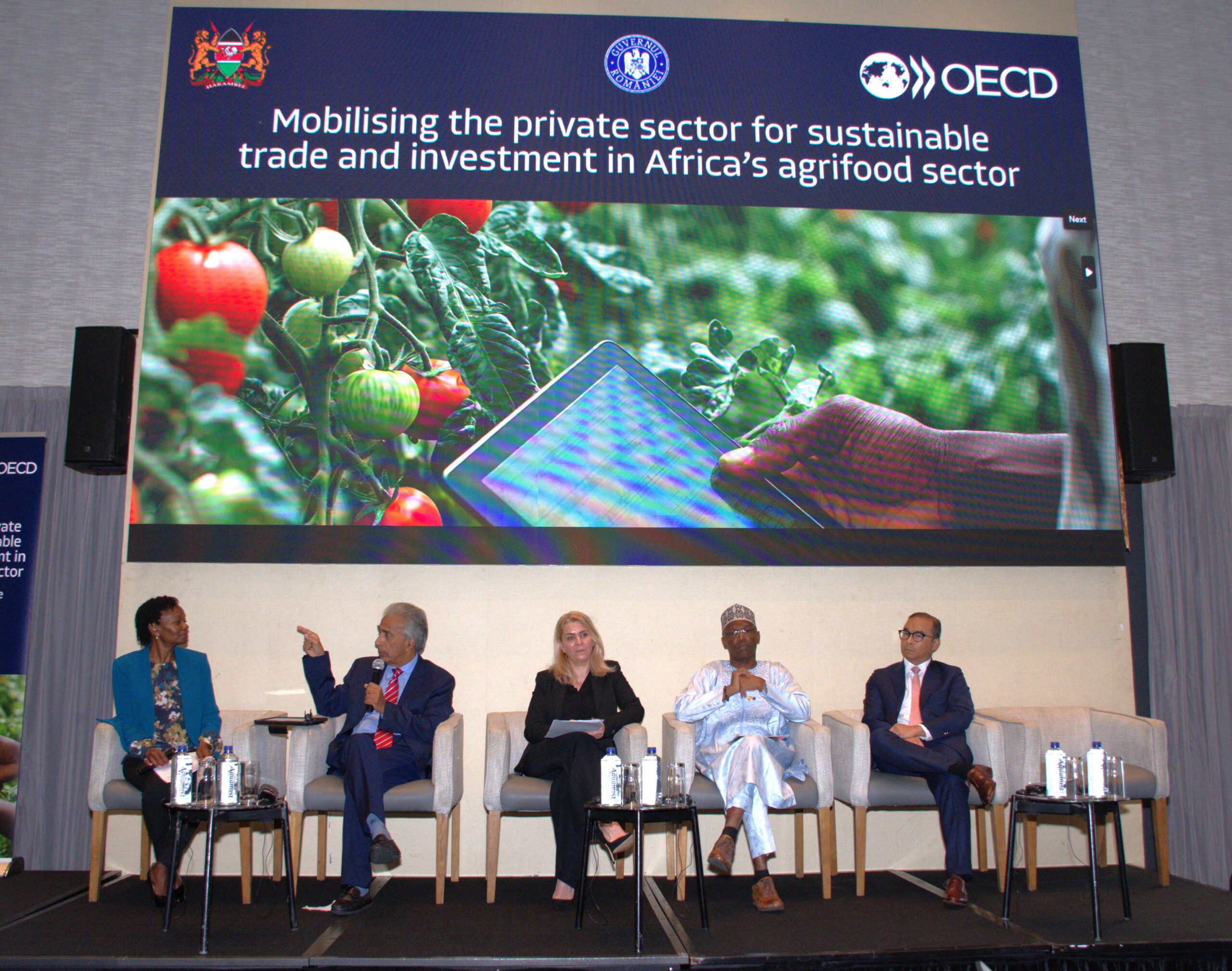
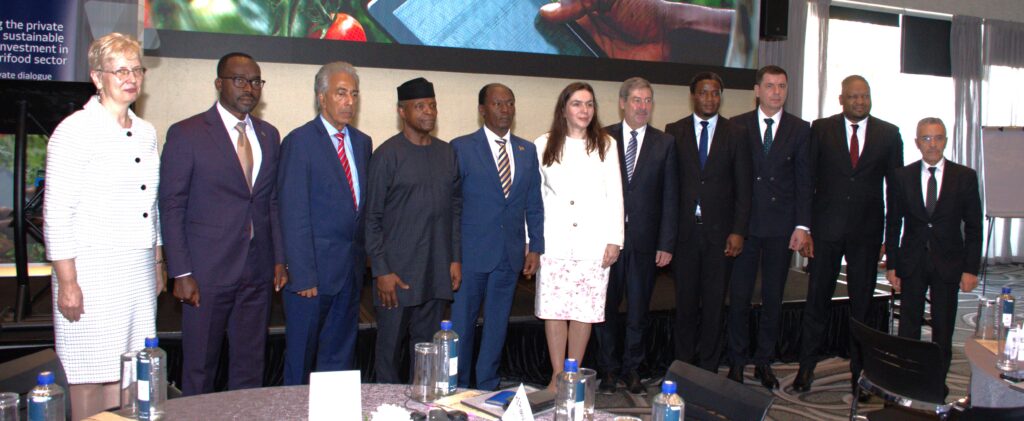
The meeting, organised by the Organisation for Economic Co-operation and Development (OECD) in partnership with the African Union Commission and the governments of Kenya and Romania, brought together public and private sector actors, highlighting the sector’s central role in economic growth, job creation and food security, while calling for reforms, financing and regional integration to unlock its potential.
Data from the forum shows that Africa’s agriculture and food sectors account for about 20 percent of GDP and employ roughly 60 percent of the labour force, yet face persistent constraints including infrastructure gaps, limited financing and climate pressures. About 600 million people on the continent lack reliable electricity, while only 34 percent of rural populations have access to all-weather roads. An estimated annual funding gap of USD 40 billion remains to secure food security and improve productivity, with only around 10 percent of smallholder farmers currently accessing credit.
OECD Deputy Secretary-General Frantisek Ruzicka underscored the sector’s importance, noting that agriculture and food systems are the backbone of the continent’s economies, accounting for around 20 percent of GDP and providing jobs for more than 60 percent of the workforce. He warned that global disruptions, shifting trade alliances and climate shocks were straining supply chains and affecting agriculture.
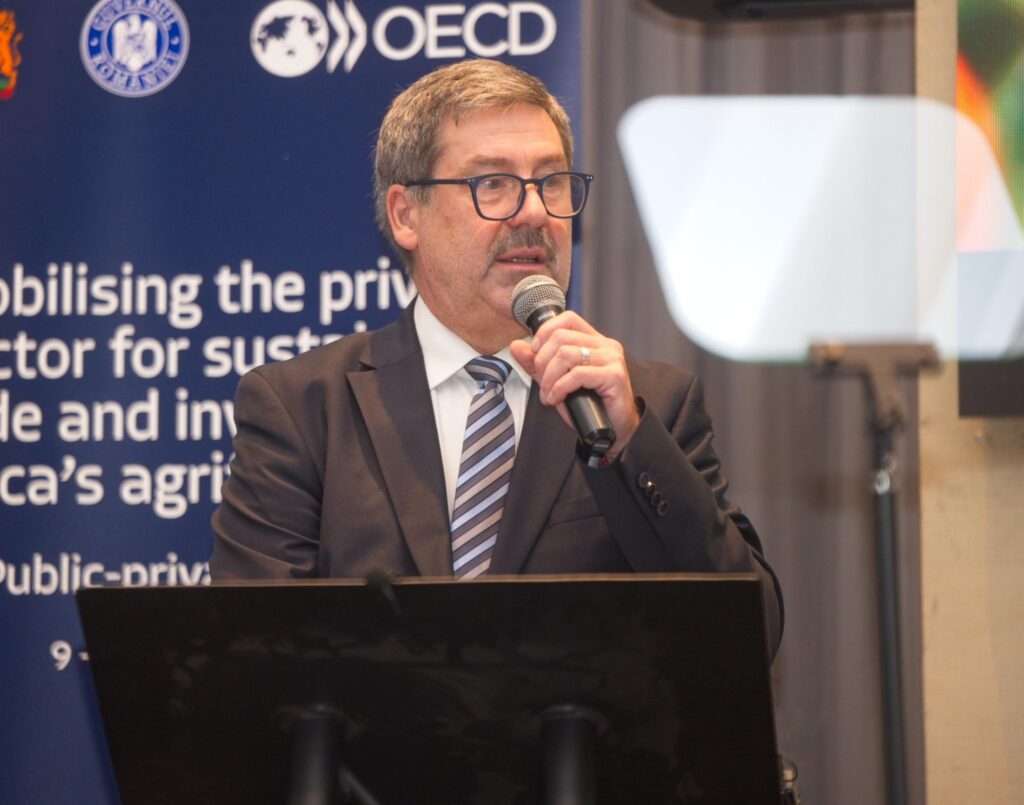
Despite the sector’s importance, investment levels remain low.
“While foreign direct investment (FDI) inflows to the continent reached a record USD 94 billion in 2024, these flows remain heavily concentrated in extractive industries like oil and gas. In contrast, the agrifood sector attracts less than 5% of this total. As a result, agrifood value chains, from farming to processing and logistics, remain underdeveloped. This matters because sustainable investment in the agrifood sector can generate jobs more intensively than many other sectors, particularly for women and young people. It can also expand local processing capacity, supporting African economies to move up the agricultural value chain,” opined Ruzicka.
Regional trade frameworks such as the African Continental Free Trade Area (AfCFTA) were highlighted as key drivers of growth. The agreement seeks to eliminate tariffs on 90 percent of intra-African trade and harmonise investment frameworks, supporting cross-border agricultural value chains. Intra-African agricultural trade has already increased from USD 17 billion in 2012 to USD 20 billion in 2022, while trade facilitation improvements have reduced costs and border bottlenecks.
He also highlighted the importance of inclusion, entrepreneurship and skills development, noting that most agricultural jobs remain informal and that investment and regional integration need to be accompanied by social inclusion, entrepreneurship and skills development. With more than 60 percent of Africa’s population under the age of 25, he said investing in youth skills and innovation was key to building resilient agrifood systems.
Ruzicka stressed the need for regulatory reforms to attract investment, improve market access and strengthen data transparency through initiatives such as the African Union–OECD Virtual Investment Platform.
“International cooperation can help improve seed quality, boost yields, improve farmers’ livelihoods and build resilience to climate change. In all these workstreams, stronger engagement with the private sector is also needed. Reforms will only succeed if the private sector is part of the decision-making process. This requires promoting more institutionalised private-to-private and public-private dialogues to support reforms. We have to move from words and intentions to implementation. Ultimately, the challenge before us is to put the right conditions in place to turn Africa’s agrifood potential into a sustainable and abundant harvest. That means investing wisely, integrating markets effectively, and equipping people with the skills and opportunities they need to thrive,” he concluded.
Kenya’s Cabinet Secretary for Information, Communications and the Digital Economy, William Kabogo, speaking on behalf of the Kenyan government, underscored the sector’s importance nationally and regionally. He said agriculture and livestock contribute approximately 22 percent of Kenya’s GDP, support close to 70 percent of employment and account for nearly half of economic activity through forward and backward linkages.
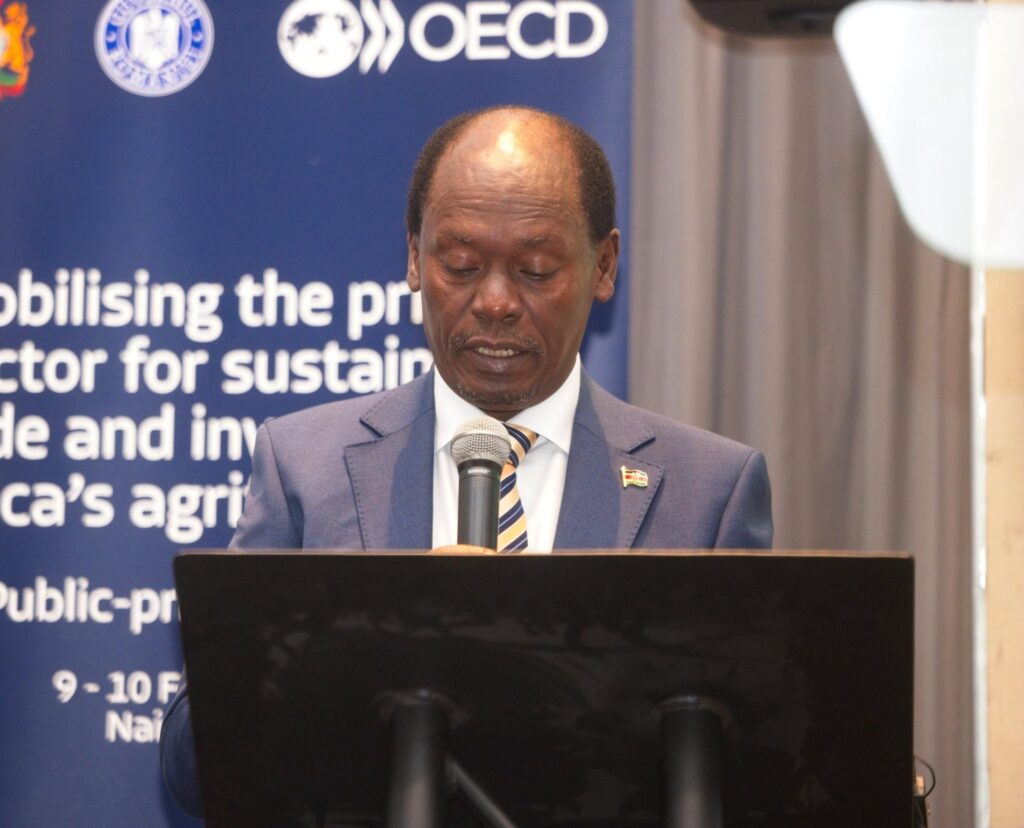
Across Africa, he noted, agriculture sustains rural communities, provides employment for millions, and remains central to food security, but pointed out persistent challenges including financing gaps, infrastructure limitations and climate vulnerability.
“However, from Kenya’s perspective, these challenges also represent a major opportunity. Africa’s agrifood sector has the potential to become one of the continent’s strongest engines of industrialisation, export competitiveness, and inclusive job creation, particularly if we accelerate value addition, strengthen resilience, and build stronger market linkages across our region,” opined Kabogo.
Kabogo emphasised value addition across key agricultural sectors, including tea, sugar, rice, dairy and leather, stating that agriculture should focus not only on production but on value chains that drive enterprise growth and employment. He reiterated Kenya’s support for the accelerated implementation of AfCFTA, saying regional value addition and stronger intra-African trade were essential to building resilient supply chains.
He called for stronger enabling environments to attract private investment, including predictable policies, reliable infrastructure and effective public-private partnerships. He also highlighted Kenya’s national Digital Agriculture Roadmap and agricultural information system, which has registered over seven million farmers to improve service delivery and planning. “Financing remains central to food security and agrifood transformation. Closing the agricultural finance gap will require stronger partnerships between governments, financial institutions, and the private sector. It will also require scaling of blended finance instruments, risk-sharing mechanisms, affordable credit for farmers and MSMEs, and insurance solutions that support resilience.”
Kenya’s position is that sustainable agrifood investment must strengthen resilience, safeguard ecosystems, and support communities. Also, Climate-smart approaches, improved water management, and sustainable production systems will be essential for protecting livelihoods and ensuring long-term food security. Africa should also treat digital innovation and artificial intelligence as tools that can accelerate productivity and market efficiency, and the country welcomes the capacity-building agenda under the OECD Seed Schemes as a practical contribution to competitiveness and productivity.