
By David Ndegwa
The counties of Nyeri, Murang’a and Kiambu remain net importers of maize from Nakuru, Uasin Gishu and Trans Nzoia, largely due to a prevailing belief that land sizes are too small and soils too infertile to sustain meaningful maize production. This perception, common across the Mount Kenya region, has contributed to low motivation among farmers to invest in improved production practices.
While land parcels in the region are indeed small, other assumptions about maize production are misplaced. With appropriate farming practices, it is possible to produce sufficient maize on a quarter of an acre to feed a family of five for an entire year. Statistically, one Kenyan consumes about one bag of maize annually. With the average household comprising five people, annual maize demand per household stands at approximately five bags.
The effects of food insecurity are visible in rural trading centres across Nyeri. An estimated 98 per cent of shops sell foodstuffs, while only about two per cent are hardware stores or agrovets, many of them poorly stocked. Carpentry and welding workshops are largely absent, and new iron roofing sheets are rarely installed, indicating stagnation in rural economic activity.
As household poverty deepens, dependency levels rise. Young people migrate to urban centres in search of income to support their families. In earlier years, working family members would return home to collect maize, beans and potatoes. Today, in many households, the situation has reversed, with urban-based relatives meeting a significant share of rural household needs. In some areas, up to 85 per cent of household income is derived from remittances from sons and daughters working in towns, while income from farm produce, such as milk, is often spent on purchasing food.
Limited disposable income has broader economic consequences. When households are unable to renew furniture, improve housing, purchase household electronics or hire local artisans, vocationally trained youth struggle to find employment or establish enterprises. This cycle contributes to widespread hopelessness, which in turn is associated with rising alcoholism and crime in rural areas.
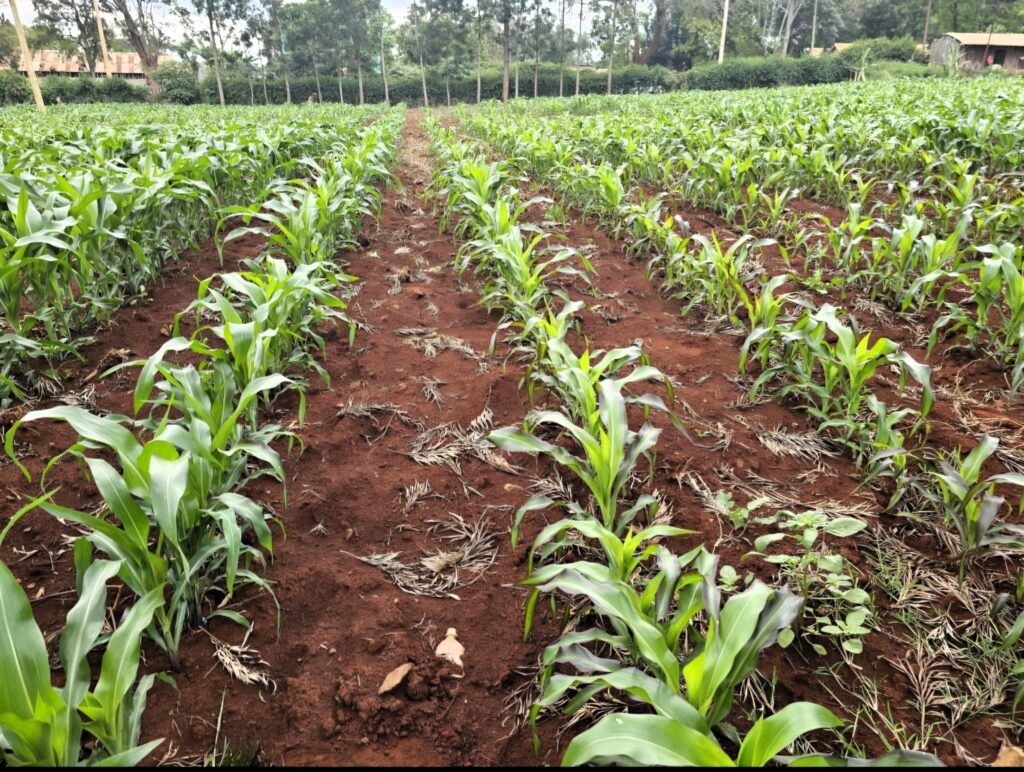
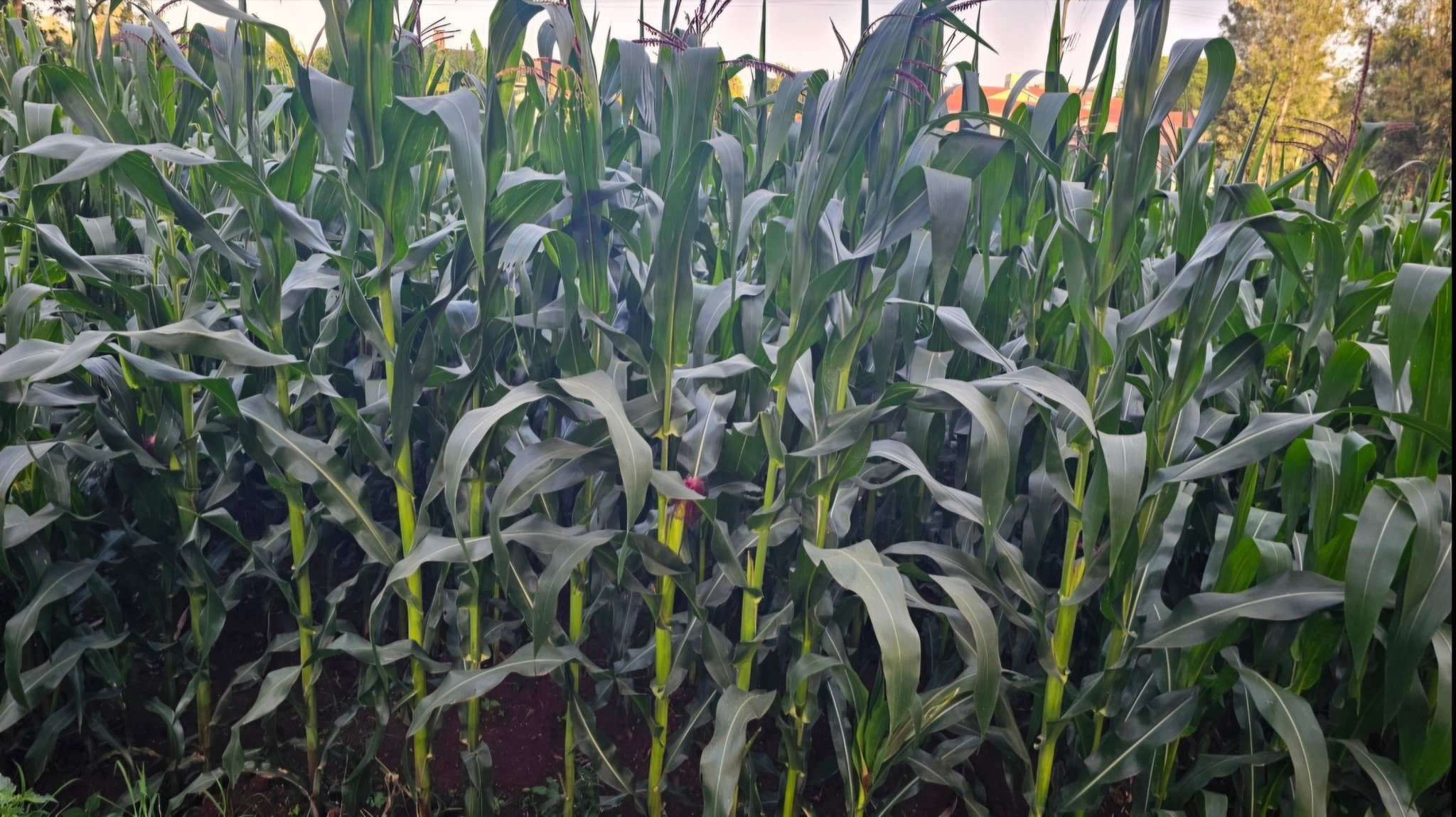
A maize demonstration in King’ong’o, Nyeri County, with plans for expansion to other areas in the next season, aims to challenge these trends. The initiative seeks to demonstrate that, with certified seed, proper spacing, adequate fertilizer application, timely weeding, good crop management and sufficient rainfall, it is possible to harvest five bags of maize from a quarter of an acre. The same plot can be planted with beans and potatoes in the second season, generating a food surplus that can be sold to boost household income.
Improved household food security is expected to reduce reliance on remittances, allowing working family members to redirect their earnings toward personal development. Anticipated outcomes include improved housing, new furniture, increased ownership of radios and televisions, higher school enrolment, reduced dropout rates and stronger purchasing power among rural households.
With agricultural land steadily diminishing, the need to increase production per unit area has become urgent. The adoption of improved farming methods, including adequate use of fertilizer and manure, certified seed and consistent application of good agricultural practices, is presented as essential.
Strengthening household food security across all regions is framed as a national priority. The growing burden placed on a small working population to support rural families has contributed significantly to national poverty. Shifting entrenched beliefs and adopting proven practices, the article argues, is necessary to restore rural productivity, reduce dependency and rebuild dignity in rural livelihoods.