
By Kimuri Mwangi
Farmers and local communities need to be empowered to adopt modern technologies, innovations and management practices to achieve Climate Smart Agriculture (CSA), experts have said, noting that such an approach delivers the triple win of increased productivity, enhanced resilience and reduced greenhouse gas emissions.
Dr Violet Kirigwa, Assistant Director of Knowledge Management at the Kenya Agricultural and Livestock Research Organisation (KALRO), said the institution has been working closely with farmers to ensure they have access to the right information, including appropriate technologies and relevant scientific materials.
Speaking in Rombo, Loitokitok, Kajiado County, during a tomato production and hydroponics training organised in collaboration with the Korea Program on International Agriculture (KOPIA), Dr. Kirigwa said tomatoes remain among the most important and nutritious vegetables in the country.
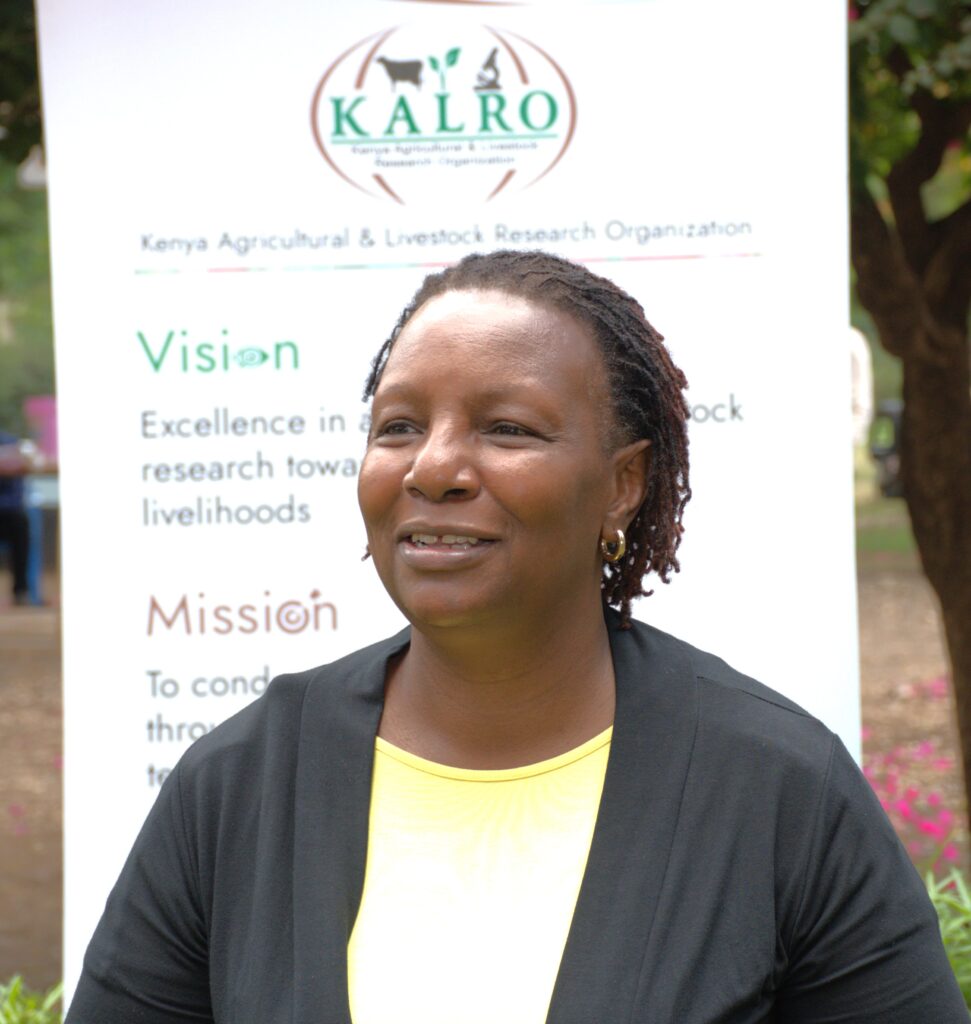
She noted that tomato production has largely been carried out under open-field cultivation, which has become increasingly challenging due to climate change, hence the need to explore alternative production methods.
“This training focuses on tomato production under hydroponics. This will allow farmers to produce throughout the year without depending on the weather and make this commodity available on the market for 12 months,” she said.
Dr. Kirigwa added that consistent production would also help stabilise market prices.
“This training will, in a long way, help farmers, particularly here in Kajiado, where tomatoes are one of the important crops, and again with hydroponics technology, there will be minimal pests and diseases, ensuring hygiene practices are maintained, and the overall productivity goes high, and farmers earn additional income from the crop,” she said.
On breeding, Dr. Kirigwa said tomato seed development has for a long time been dominated by external companies but noted that KALRO has initiated a breeding programme that will soon release locally developed varieties.
“We hope that this will significantly reduce prices, because the hybrids that we import and grow are quite expensive, and therefore a good breeding program here at home can help us reduce the prices and availability of seed,” she said.
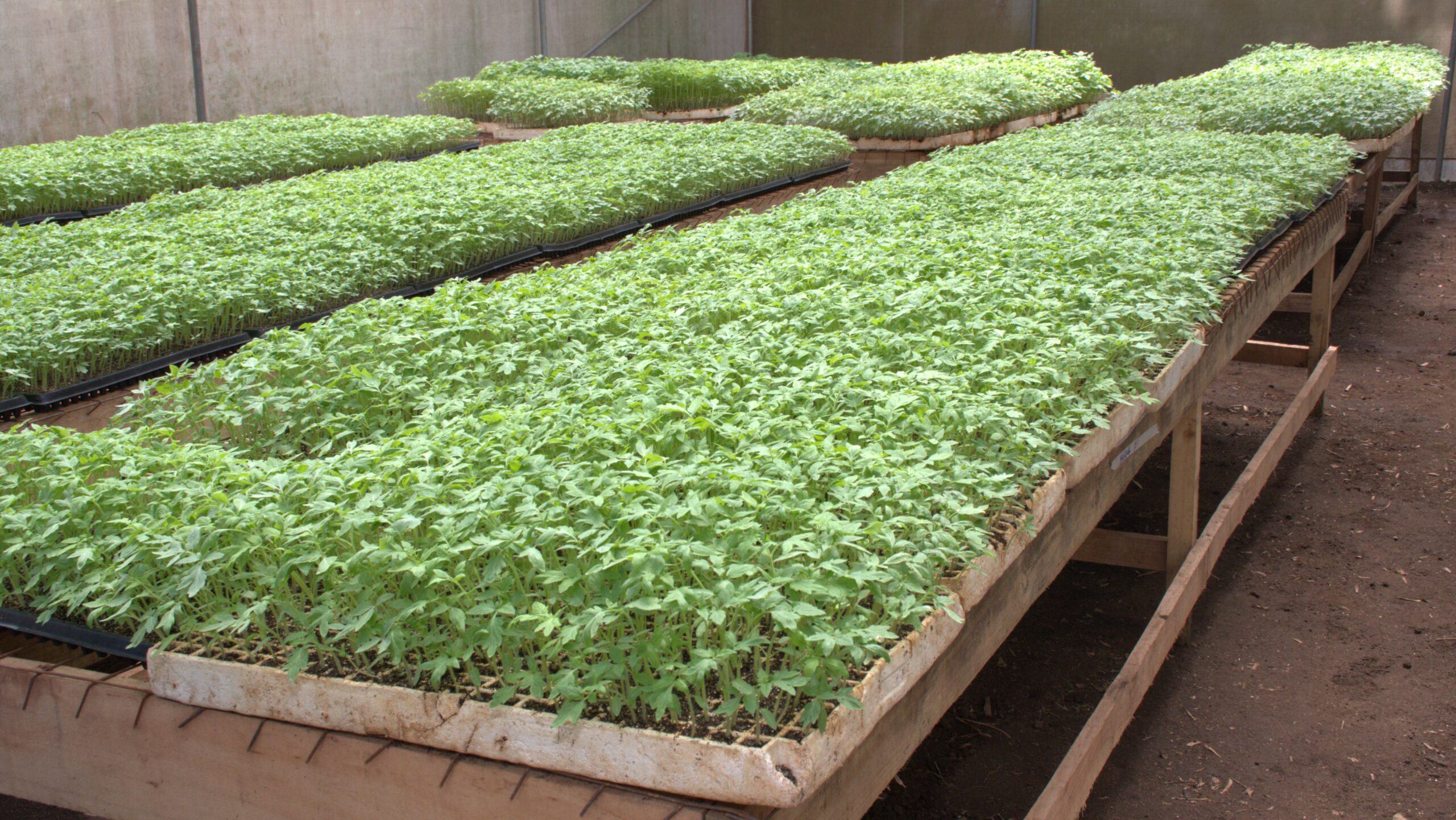
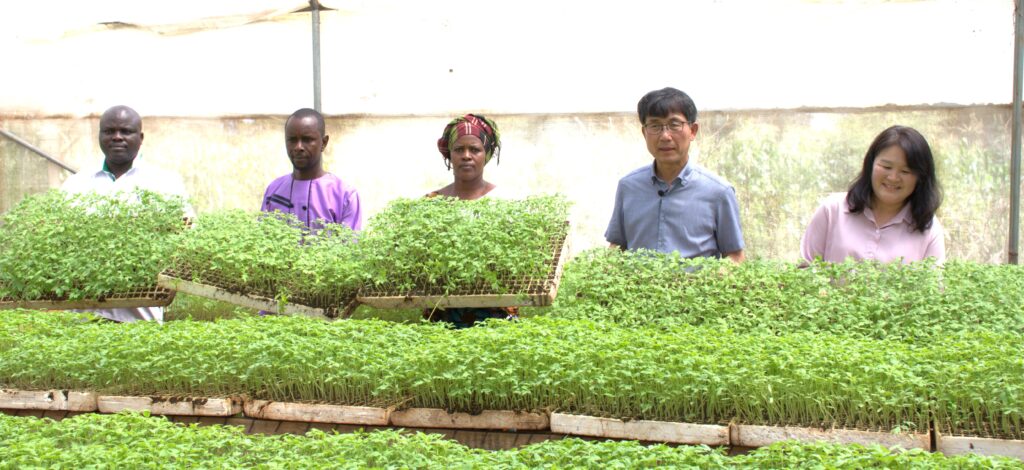
She added that farmers will also be trained on cost-effective seedling production, noting that hydroponics and greenhouse technologies provide an efficient way to raise seedlings closer to production sites.
Mariam Sunte, a tomato farmer from Rombo, said KALRO has been working closely with farmers since 2020, introducing them to smart agricultural technologies and now training them on hydroponics to enable year-round tomato production.
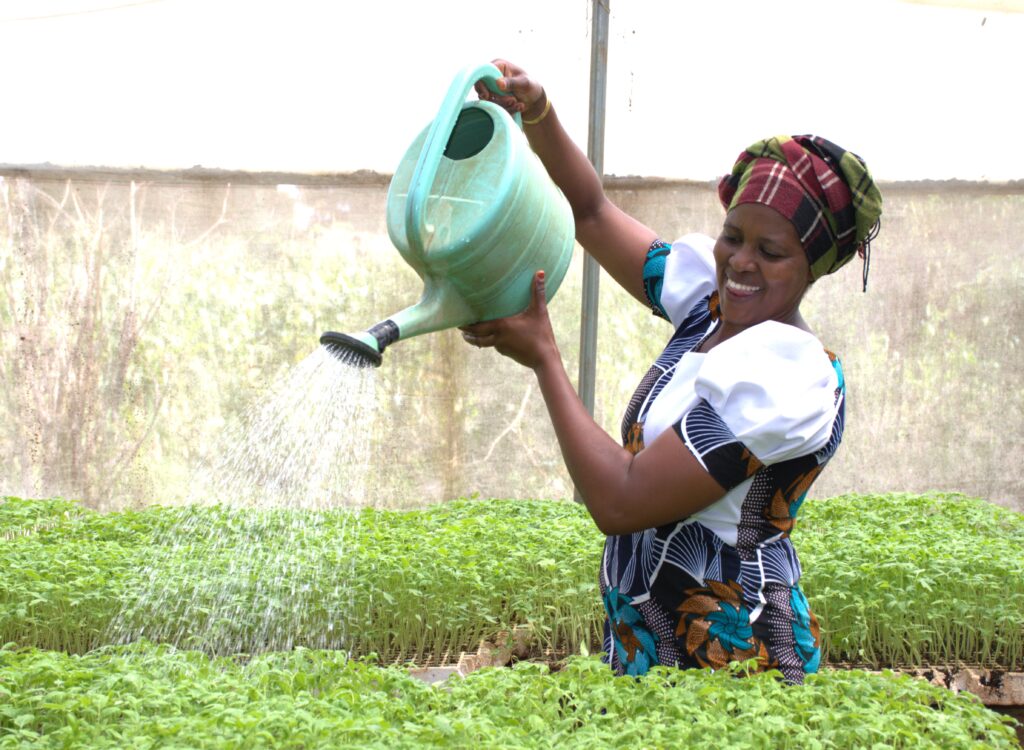
“Initially, farmers had a lot of problems when it came to tomatoes in the open field, especially with pests and post-harvest. Now we have been taught on maintaining our fields, and this training of hydroponics will even see us reaping huge,” she said.
Sunte identified pests and diseases as the biggest challenge farmers previously faced, adding that while drip irrigation had helped, greenhouse hydroponics would further enable farmers to manage crops more effectively and achieve better yields.
KOPIA Kenya Centre Director Dr. Ji Gang Kim said the programme is training farmers not only on protected tomato cultivation in greenhouses but also on hydroponic systems within the structures to reduce reliance on open-field farming.
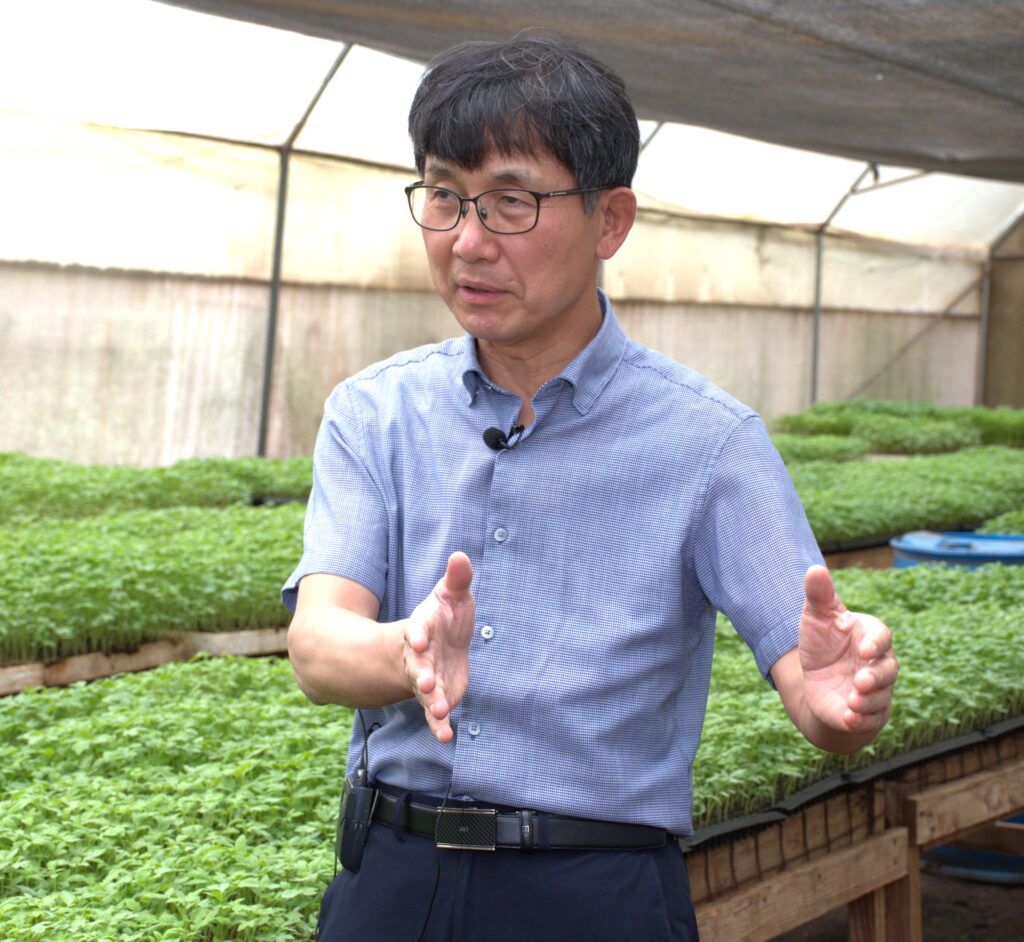
“Some Kenyan farmers have already installed greenhouses to grow tomatoes very well, but productivity is still low due to a lack of protected cultivation skills; thus, there is a need to establish improved protected cultivation skills to increase productivity, especially because of climate change,” he said.
Dr. Kim said protected agriculture technologies would, in the long run, help reduce labour costs, shield crops from adverse weather, and improve quality, noting that hydroponics allows greater control of plant nutrition at the root level, resulting in safer and less contaminated produce.
While acknowledging the high installation costs associated with hydroponics, Dr. Kim said Kenya could significantly boost tomato productivity by embracing the technology.
“Over 90 percent of tomatoes in Korea are grown under greenhouses using hydroponics, producing high-value, nutrient-rich tomatoes, overcoming climatic hurdles. If Kenya embraces this technology, it could increase productivity,” he said.
Another farmer from Rombo, Shadrack Mwania, said the introduction of the technology would lower the cost of seedlings due to increased local availability.
“With this kind of technology being introduced to farmers, we will see them move from buying seedlings at KShs 7 to KShs 5 per seedling because of availability,” he said.
Joseph Macharia from the Kajiado County Department of Agriculture said tomato production in the area is mainly undertaken by small-scale farmers under irrigation, but climate change has made production increasingly costly.
He noted that some farmers have resorted to recycling seeds, while others have abandoned tomato farming altogether. However, Macharia said the introduction of hydroponic greenhouse technology is encouraging farmers to return to production.
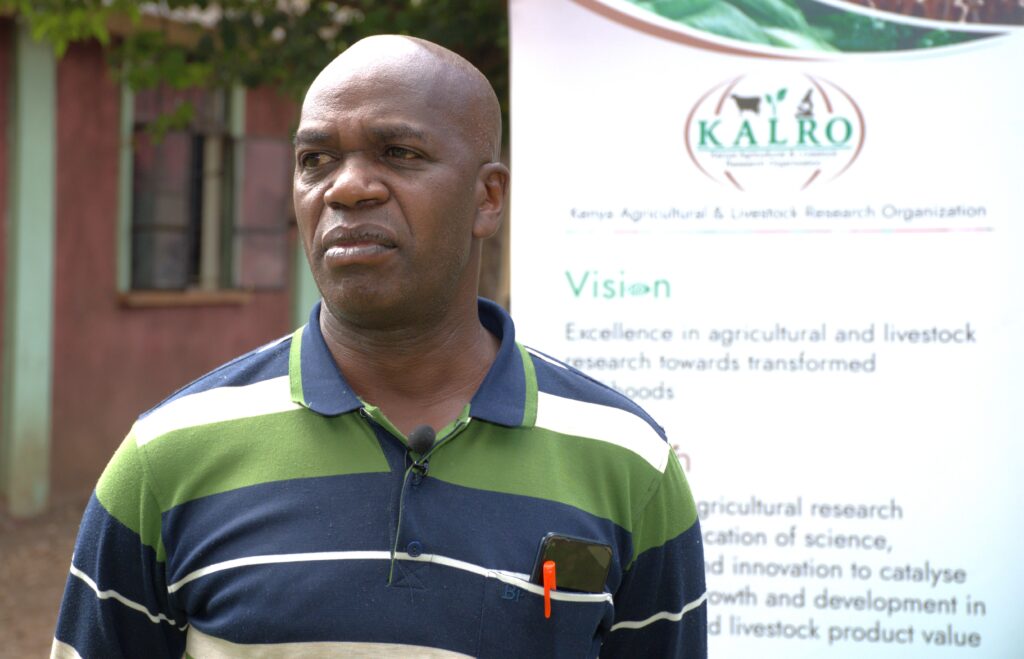
Training farmers, particularly the youth, to produce seedlings locally will help revive tomato farming in Kajiado County, Macharia said, adding that tomato production currently costs about KShs 300,000 per season.
He added that widespread adoption of hydroponics would open up wider markets for farmers, enabling them to supply neighbouring counties such as Taita Taveta and even export seedlings to countries like Tanzania.
Rombo Agricultural Extension Officer Naftali Chege said farmers are being trained on clean seedling propagation in greenhouses.
“We now have a solution on how farmers can get seedlings, unlike before when the seeds were coming from far areas like Naivasha and Kiambu. We have now trained groups, such as the Success Group, on how to produce these seeds and then, in turn, sell them to the other farmers and get some money,” he said.

Chege said Rombo has about 3,000 tomato farmers cultivating an estimated 5,000 acres and producing about 50 metric tonnes per season. He added that adoption of the new technologies could double production to about 100 metric tonnes, as the system ensures disease-free seedlings and higher productivity.
The government continues to support tomato farming through initiatives such as the Korea–Africa Food & Agriculture Initiative (KAFACI), which promotes improved varieties, climate-smart practices including irrigation and resilient seeds, and farmer training through county-level programmes.