

By Kimuri Mwangi
Africa’s vast livestock genetic wealth could play a transformative role in boosting productivity, strengthening climate resilience and advancing sustainable development, according to a newly released open-access publication.
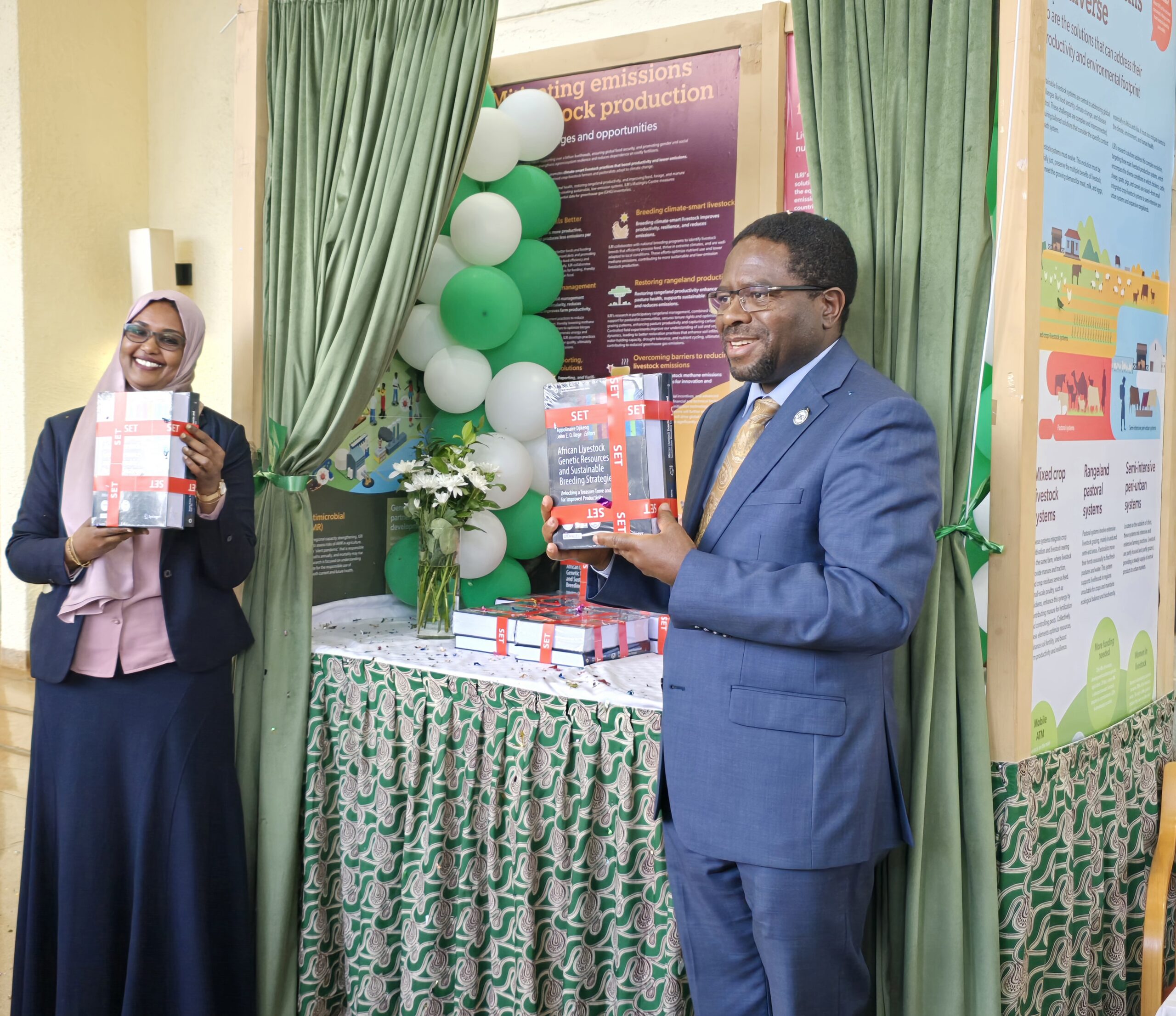
Titled African Livestock Genetic Resources and Sustainable Breeding Strategies: Unlocking a Treasure Trove and Guide for Improved Productivity, the book was officially launched by the African Animal Breeding Network (AABNet) in partnership with the International Livestock Research Institute (ILRI), the Centre for Tropical Livestock Genetics and Health (CTLGH), and the African Union’s Inter-African Bureau for Animal Resources (AU-IBAR). The publication brings together decades of research on livestock genetics, breeding approaches and adaptation strategies tailored to African production systems.
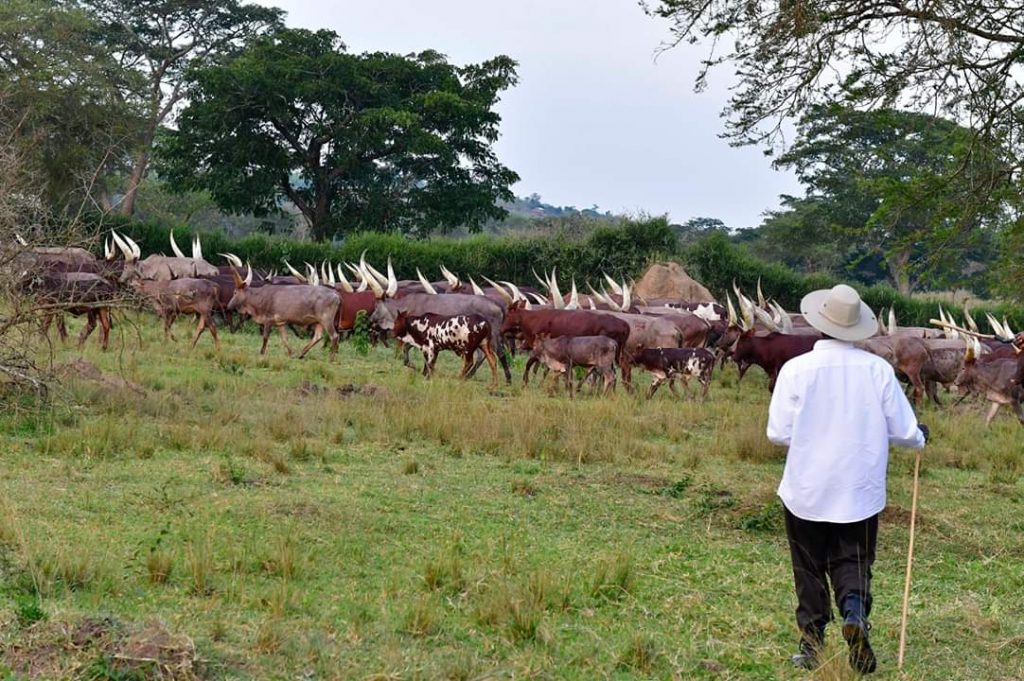
Africa hosts roughly one-third of the world’s livestock population and boasts the richest diversity of indigenous cattle (150–180), goats (289), poultry (126) and dromedaries (94). It also has the second-highest diversity of indigenous sheep (363), rabbits (4) and donkeys (27).
These locally adapted breeds have evolved over generations to withstand heat stress, endemic diseases and fluctuating feed supplies. As a result, they are central to climate adaptation and resilience, particularly within small-scale and low-input farming systems.
However, many of these breeds face extinction, largely due to indiscriminate crossbreeding with exotic animals. While crossbreeding is often driven by efforts to raise productivity, experts warn it can erode the unique adaptive traits that enable indigenous breeds to thrive in harsh environments. In smallholder systems, the relatively low productivity of local breeds contributes to higher greenhouse gas emissions per unit of product—estimated at 2.1–5.0 kg CO2-eq/kg of product, closer to global averages. Overall emissions, however, remain lower than those in intensive production regions. Evidence shows that improvements in genetics, animal health and management can raise output while lowering emissions intensity, supporting both climate mitigation and food security goals.
“Africa’s livestock genetic diversity is not just a heritage—it is a climate and development tool,” said Professor Appolinaire Djikeng, Director General of ILRI. “By using science-based breeding strategies, we can improve productivity, enhance resilience, and reduce emissions intensity across African livestock systems.”
The publication underscores the need for breeding objectives that reflect farmer priorities and the realities of African production environments. It stresses that successful genetic improvement programmes must incorporate adaptation and mitigation targets, involve farmers in decision-making, and build institutional capacity for data collection, monitoring, and livestock breeding and management.
“Local breeds are the backbone of climate-resilient African agriculture,” said Professor Mizeck Chagunda, Director of CTLGH. “Protecting and sustainably using these breeds through targeted breeding is essential if we are to safeguard livelihoods and meet the challenges of climate change.”
The launch positions AABNet, ILRI, CTLGH, AU-IBAR and their national partners at the forefront of efforts to coordinate livestock genetic improvement and conservation across the continent.
The organizations are advocating for multi-country genetic evaluation to address gaps in human capacity and infrastructure for genetic assessment. They are also promoting professional capacity building to strengthen education and expertise in animal breeding, alongside advocacy and business development initiatives to expand the use of advanced genetic tools. Enhanced collaboration and partnerships are seen as critical to scaling breeding programmes and supporting sustainable livestock development.
“Conserving and using Africa’s indigenous livestock genetic resources is a matter of climate and development security,” said Dr. Huyam Salih, Director of AU-IBAR. “Strategic investments in genetic characterization, breeding programmes, and farmer-centred approaches will drive sustainable, resilient livestock systems for Africa’s future.”
Designed as a practical guide, the book provides actionable recommendations for governments, researchers and practitioners. These include prioritizing breeds with adaptive traits to enhance climate resilience, aligning breeding goals with production systems and farmer needs, and offering practical perspectives on feasible breeding strategies.
It also highlights the importance of genetic characterization and outlines opportunities for gene editing, reproductive technologies and genomic tools across different livestock species. The publication calls for integrating genetic improvement with conservation and sustainable use, while strengthening institutions, data systems and professional capacity to ensure measurable impact.
“AABNet was founded to bridge the gap between research and practice. This book, crafted by our pan-African community of experts, is our foundational text. It provides the common language and evidence base we need to professionalize animal breeding on the continent, combat genetic erosion, and ensure that farmers have access to trustworthy, productive, and adapted animals,” said Ed Rege, Chair of AABNet Executive Committee.