
By Henry Kinyua
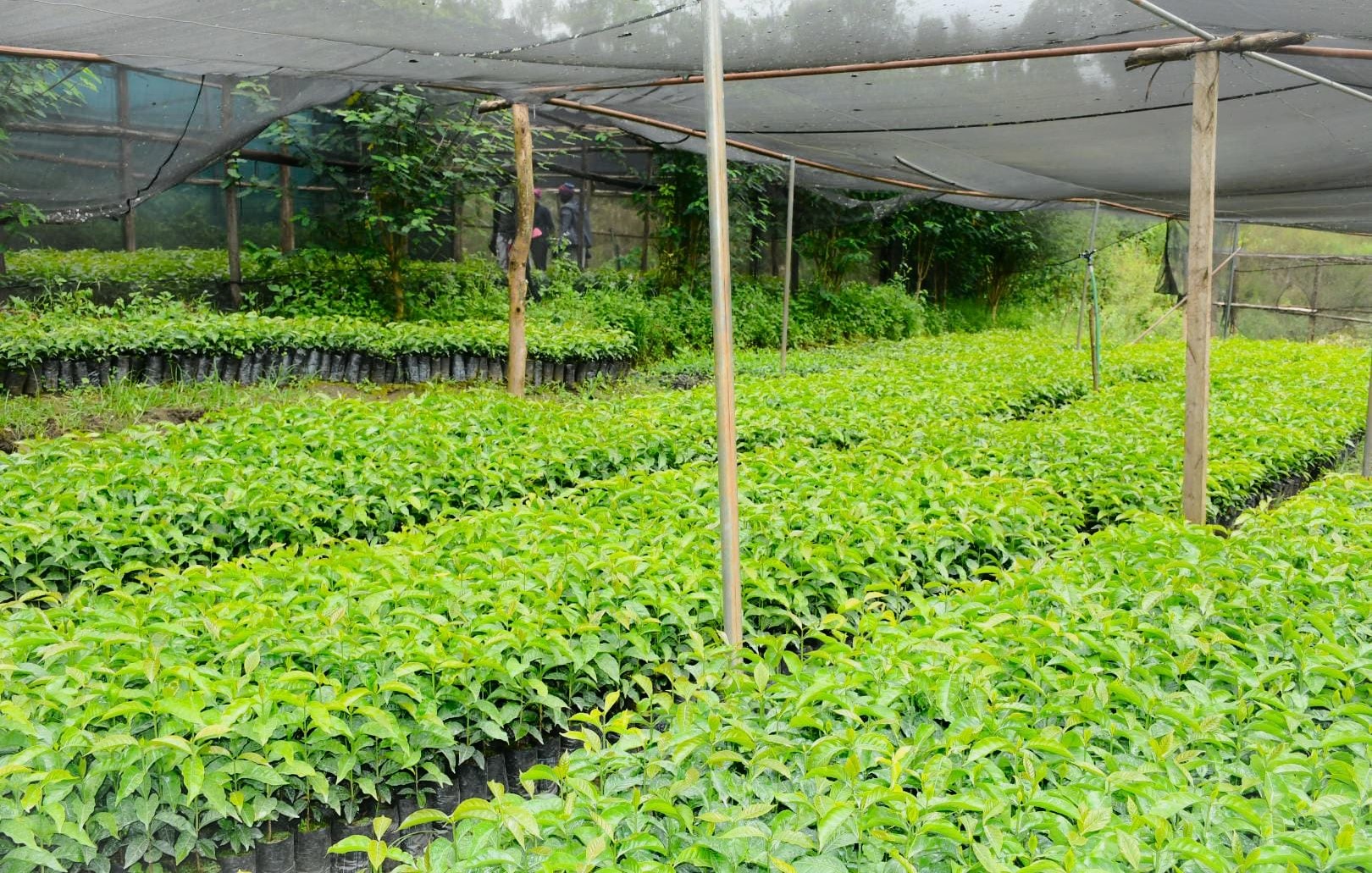
When I recently reported on coffee in Homa Bay County, the revelation caught many off guard. It sparked a wave of questions from curious readers: “Where else is coffee grown that we might not know about?” Today, we spotlight yet another unlikely contender in Kenya’s coffee scene—West Pokot.
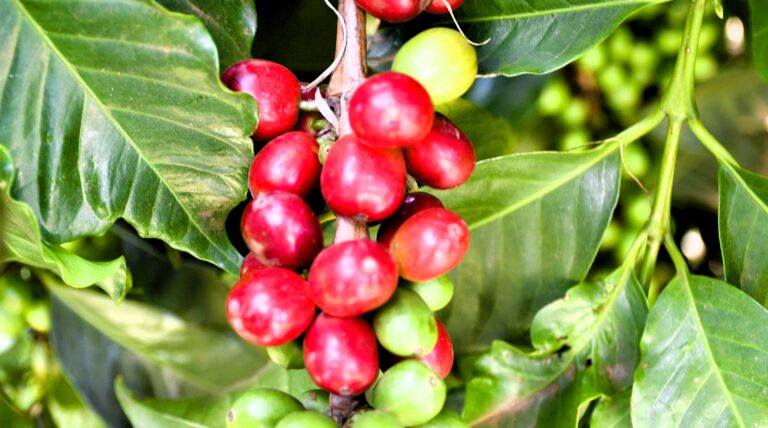
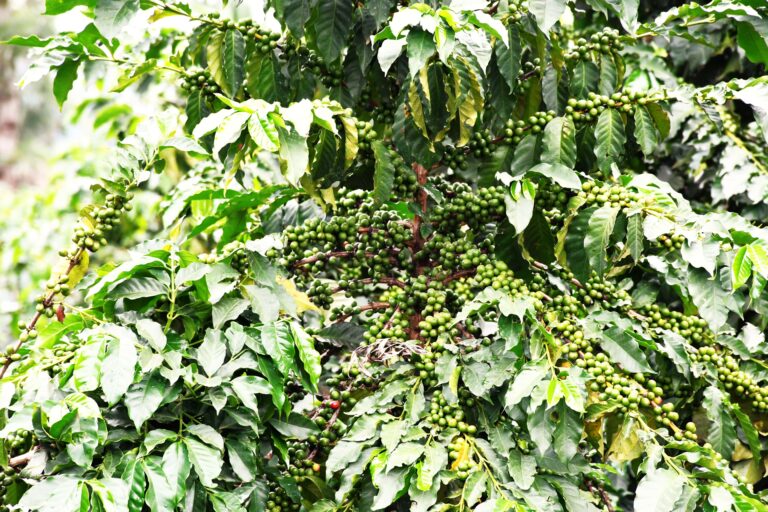
Known more for its sweeping hills, resilient pastoralist communities, and at times, stories of cattle rustling, West Pokot is now making a quiet but determined entry into the coffee world. While still in its infancy, the region’s coffee journey is already showing promise. That is small numbers, big promise.
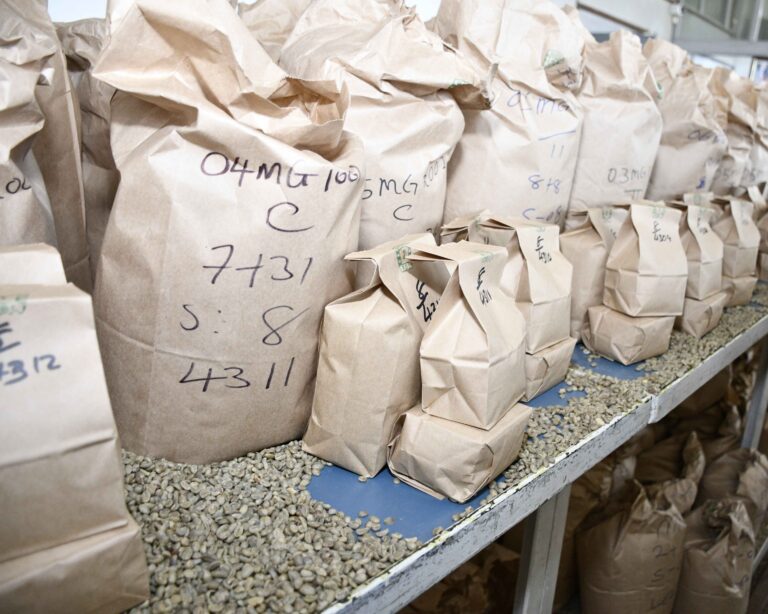
In the 2024/2025 coffee season, West Pokot delivered 724 bags of clean coffee, weighing 44,200 kilograms. The total earnings reached $307,713. While that accounts for just 0.11% of Kenya’s total coffee output, what’s remarkable is the pricing.
West Pokot coffee fetched an average price of $348 per unit, outperforming the national average of $341.08. It’s clear: what the county lacks in volume, it makes up for in quality.
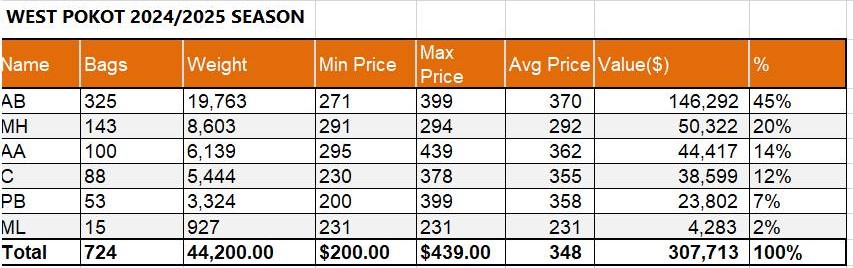
Digging into the data reveals a compelling grade profile for West Pokot. The region is producing coffee of high value:
• AB grade made up 45% of the total value
• MH followed at 20%, with AA (14%), C (12%), PB (7%), and ML (2%) completing the mix
These grades align with Kenya’s premium export standards, demonstrating that the country’s climate and soil are well-suited for specialty coffee production.
Coffee isn’t just a new crop for West Pokot, it’s a chance to shift economic narratives. For a county traditionally dependent on livestock and prone to challenges like insecurity, coffee offers a quieter, steadier source of income and a connection to global markets. As one farmer shared, “People know West Pokot for cows. But now, coffee is beginning to speak for us in new ways.”
The 2025/2026 coffee season is now in its 8th week, and trading is well underway at the Nairobi Coffee Exchange. Although West Pokot’s beans haven’t hit the auction floor yet, the momentum is building up. Industry watchers expect the county to begin trading from Sale 10 onwards.
Given last season’s strong performance, many are eager to see if West Pokot will once again deliver high-grade coffee and perhaps command even higher prices.
Across the country, Kenya’s 2024/2025 season produced 659,892 bags of coffee valued at $277 million. While the traditional coffee powerhouses, Nyeri, Kirinyaga, Kiambu, Kericho, and Murang’a still lead in volumes, counties like West Pokot and Homa Bay are redrawing Kenya’s coffee map in real time.
With continued investment, training, and infrastructure support, these emerging regions could be Kenya’s next big coffee story.
For more details about coffee-growing counties, subscribe to the KilimoNews App at