

Ethiopia has transitioned from short-term emergency responses to a long-term climate resilience strategy centred on water infrastructure, the Ministry of Water and Energy has said.
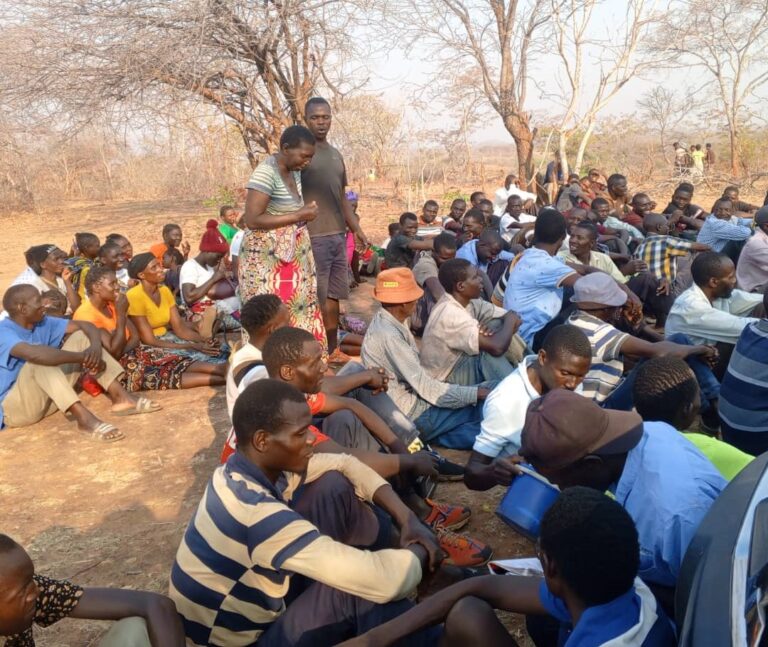
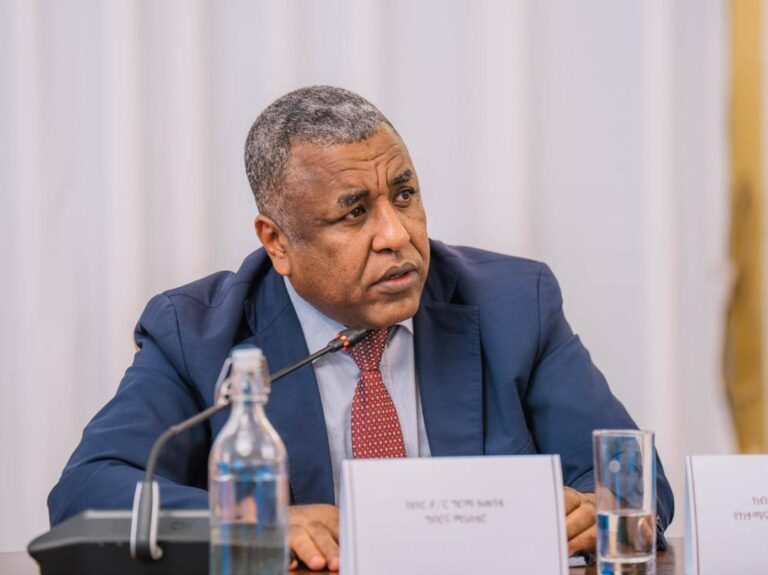
Minister of Water and Energy Habtamu Itefa noted that the country has experienced recurring droughts across several regions for three to four decades, prompting successive governments to depend largely on population relocation and emergency aid to save lives.
“That approach is changing,” the minister said, emphasizing that national policy now prioritizes resilience at the source. “Resilience means people do not have to leave their land when drought happens.”
He said the government is investing in localised water solutions, including groundwater development, rainwater harvesting, flash-flood capture, and the construction of small-scale dams at kebele and woreda levels. According to the minister, these measures are already improving livelihoods in drought-prone areas.
“In places like Borana, communities are now able to grow crops such as wheat, which was previously unthinkable,” he added.
The minister further stated that, for the first time, the federal government has allocated treasury funding to climate-resilient water, sanitation and hygiene projects in the Somali, Afar and Tigray regions, expanding water access for both communities and livestock. He also highlighted the installation of solar-powered water supply systems in Afar, where limited electricity had long constrained economic activity despite the region’s large livestock population.
The initiatives are designed to secure sustainable domestic and livestock water supplies through the use of both groundwater and surface water resources, he said.
“When climate shocks come, people should not run to beg,” the minister said, adding, “They should rely on their own water, food systems and energy.”
Minister Habtamu urged African Union member states to adopt similar resilience-based approaches, warning that climate impacts cross borders and instability in one country can affect neighbouring states.
“We are really seeing a wonderful fruit, a wonderful achievement from this kind of policy, and this has to be disseminated among our African countries as well,” he stated.
According to the minister, Ethiopia’s experience shows that climate resilience can be achieved through water security, renewable energy and local investment, offering a practical model for the continent in line with Agenda 2063.
In parallel with these efforts, Ethiopia has planted more than 40 billion seedlings over the past six years under the Green Legacy Initiative, launched in 2019 by Prime Minister Abiy Ahmed to combat deforestation, expand forest cover and strengthen national climate resilience.