
Israel has reaffirmed its commitment to supporting Kenya in agricultural technology transfer to boost food production and strengthen climate resilience, Israeli Ambassador Gideon Behar has said.
Ambassador Behar underscored his country’s dedication to helping the Kenyan government scale up innovative agricultural technologies to increase productivity, uplift smallholder farmers, and position the country as a leading agribusiness hub in Africa.
He highlighted the need for Kenya to embrace smart and precision farming technologies, including Artificial Intelligence, the Internet of Things (IoT), and other climate-smart solutions, to increase yields, cut losses, and cushion farmers from climate shocks.
Speaking during a visit to a facility established by the Nakuru County Government in partnership with Engineers Without Borders–Israel (EWB-I), Ambassador Behar noted that Africa has no option but to adopt climate-smart farming, calling for greater investment in irrigation, sustainable soil management and agro-logistics to ensure productivity from farm to market. Engineers Without Borders–Israel is a volunteer network of Israeli engineers and technical professionals who support humanitarian projects globally.
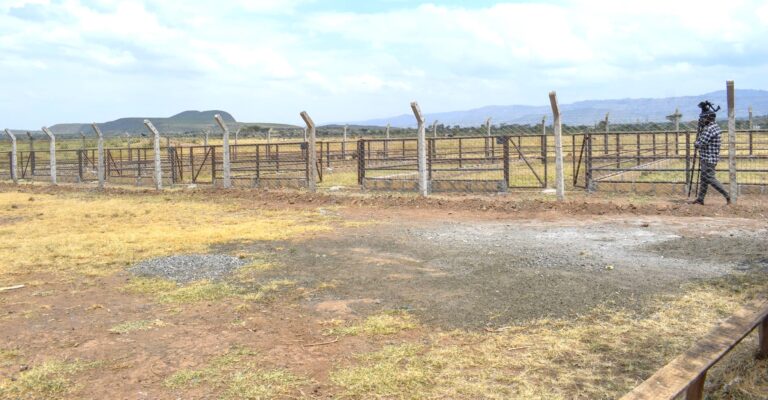
The facility, based at the Agricultural Training Centre (ATC), trains farmers on producing high-protein animal feeds using locally available resources. The centre focuses on rearing Black Soldier Fly Larvae (BSF) and cultivating Duckweed and Azolla, which are then processed into feed for cattle, sheep, goats, fish, pigs and poultry.
Nakuru County Executive Committee Member for Agriculture, Livestock, Fisheries and Veterinary Services, Mr Leonard Bor, said that feed accounts for 60–70 per cent of total farm production costs. He added that adopting and processing local alternatives could transform the livelihoods of thousands of farmers.
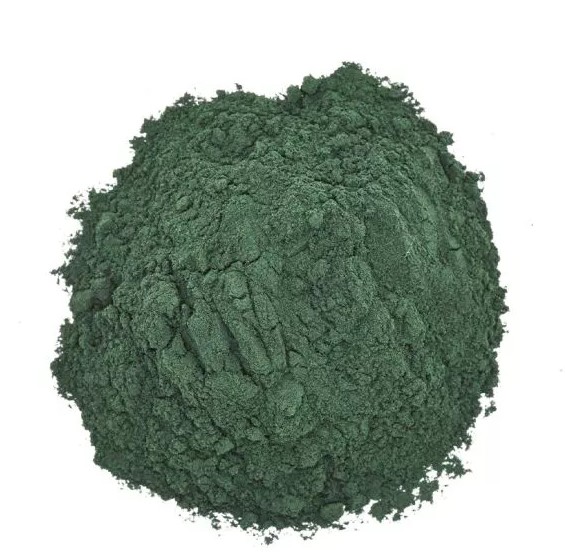
Through the programme, women and youth groups are also being trained to cultivate Spirulina, which is being used as a supplement in the Early Childhood Development Education (ECDE) school feeding programme.
“The mutual activity is based on building an innovation hub at the Agricultural Training Center (ATC) to promote regional capacity through demonstration and development of a toolbox for professional advice to farmers and the entire community,” stated the CECM.
Bor noted that protein is the costliest component in animal feeds, accounting for up to 70 per cent of production costs. He said the high-cost results from competition between humans and animals for protein sources, adding that alternatives could drastically reduce farming expenses and increase profitability for smallholders.
Spirulina, a nutrient-dense aquatic microorganism often likened to algae, is being positioned as a key supplement in the county’s nutrition programmes.
“This cyanobacterium is nutrient-dense and is often used as a dietary supplement. It has extremely high protein levels and is packed full of beneficial vitamins, including vitamins B and vitamin K, as well as minerals such as iron, magnesium, and zinc. All of these factors make it perfect for treating malnutrition. We want it to be an essential element of the meals at our early childhood development centres,” stated Mr Bor.
While Spirulina grows naturally in rivers, it also thrives in controlled environments such as greenhouses, where it is cultivated in shallow, sunlit tanks with constant aeration to prevent clumping.
Mr. Bor said the partnership with Israel is advancing climate-smart and locally appropriate technologies for food security in Nakuru County, adding that the training offers practical solutions to high feed costs while promoting sustainable agriculture and improving farm productivity.
Bor noted that the initiative is also expected to stimulate local economies by creating employment opportunities, especially in farming and food-processing activities.
Black Soldier Fly Larvae (BSF), scientifically known as Hermetia illucens, are valued for their high protein content and suitability as feed for poultry, fish and pigs. The larvae feed on organic waste and produce a nutrient-rich residue known as frass.
Mr. Bor said frass offers a sustainable alternative to synthetic fertilizers, which have degraded soils and lowered yields over time. “With many farmers struggling due to low production linked to overuse of synthetic fertilizers, BSF offers a sustainable solution that supports both the environment and food systems,” said the CECM.
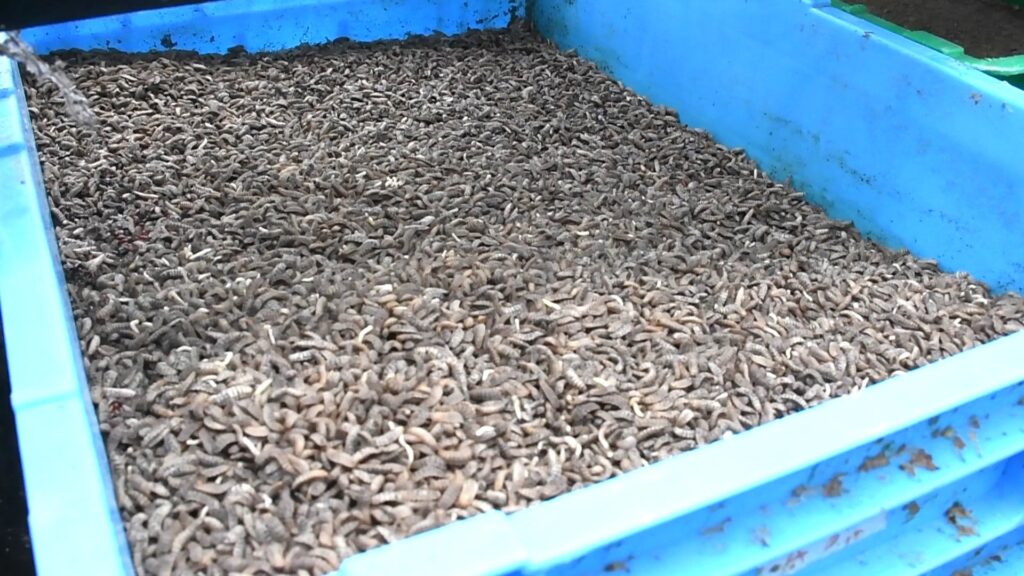
Ms. Michal Dolev Hashimhony of EWB-I stressed the importance of waste recycling in BSF farming, describing it as key to building resilient, sustainable food systems. She noted that BSF farming is particularly accessible to women and young people because it requires minimal land and capital. The system can be operated on a small scale, making it viable for households with limited space. She explained that BSF frass reduces reliance on synthetic fertilizers, which disrupt soil biodiversity and contribute to greenhouse gas emissions.
“BSF larvae consume large quantities of organic matter, breaking it down into nutrient-rich biomass. This process not only produces high-quality feed but also helps reduce the volume of waste sent to landfills, where it would otherwise release methane, a potent greenhouse gas,” opined Ms Hashimhony.
Duckweed, tiny free-floating plants abundant in fresh and sometimes blackish water, is also being promoted as a protein alternative. Species such as Lemna minor, Lemna gibba, Spirodela polyrhiza and Wolffia arrhizal grow rapidly and absorb large amounts of nutrients, making them useful as feed for humans and livestock, especially poultry and fish. Experts say duckweed can produce 6–10 times more protein per hectare than soybeans under optimal conditions.
Ms. Hashimhony added that Azolla, a fast-growing aquatic fern with nitrogen-fixing properties, is another viable substitute for commercial feeds and serves as an excellent natural fertilizer.
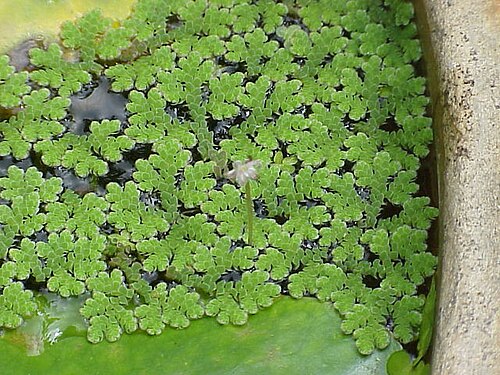
“Azolla is the most promising aquatic plant for livestock feed, thanks to its easy cultivation, high productivity, and nutritive value. It has been successfully tested and recommended as feed for fish, swine, and poultry,” she said.
She emphasized Azolla’s high protein content and digestibility. “Azolla is very rich in proteins, essential amino acids, vitamins (Vitamin A, Vitamin B12, and Beta Carotene), growth promoter compounds and minerals. It has high levels of calcium, phosphorus, potassium, iron, copper and magnesium. The carbohydrate and fat content are low. The plant is highly digestible because it does not accumulate secondary plant materials such as woody lignin.”