
By Kimuri Mwangi
For years, Kenya’s borders with Uganda and Tanzania have been used as transit points for counterfeit pesticides and other illegal agrochemicals, undermining agricultural productivity and putting farmers at risk. Despite efforts by individual countries, the problem has persisted, prompting regional actors to adopt a coordinated approach.
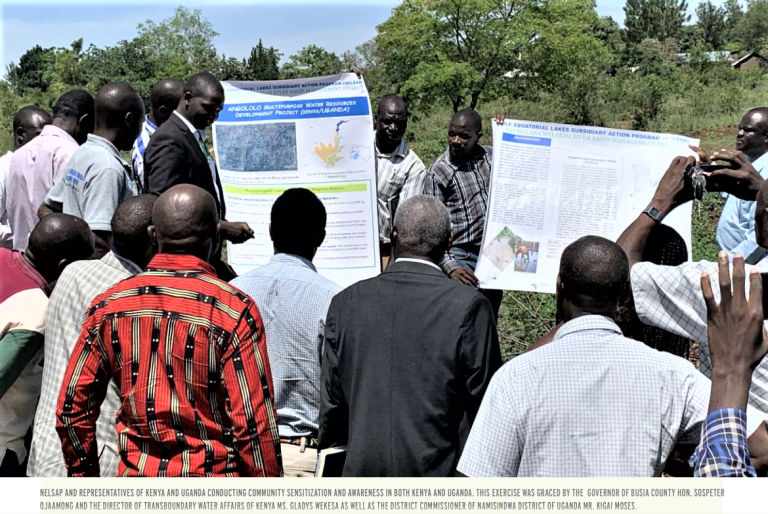
This new strategy has brought together agrochemical companies under aak-GROW/CropLife Kenya, the Pest Control Products Board (PCPB), the Anti-Counterfeit Authority, CropLife Uganda, CropLife Tanzania, and multiple border enforcement agencies. Beginning in November 2023, these partners launched a series of border sensitisation workshops in Busia, Malaba, and Namanga to equip border officers and stakeholders with skills to detect, deter, and report illegal pesticides.
The most recent meeting organized by aak-GROW/CropLife Kenya took place in Malaba in November, drawing participants from both Kenya and Uganda.
Joel Mutai, Regulatory and Liaison Manager at aak-GROW/CropLife Kenya, said it had brought together a multi-agency team very instrumental in terms of fighting counterfeits, essentially along the borders.
“We are very happy with this mechanism where we are trying to involve our regulators across the border in Uganda and CropLife Uganda, our counterparts in Uganda. We are also involving agro dealers, the customs authorities, and the agencies, all of them at the border. This is a concerted effort in terms of fighting this menace of counterfeits. Based on this particular agreement with our counterparts from Uganda, we shall continue to fight this thing seriously across all the borders with Uganda. And we can even extend to our partners across other borders, like Tanzania, so that we make it an East African kind of fight against the counterfeits,” opined Mutai.
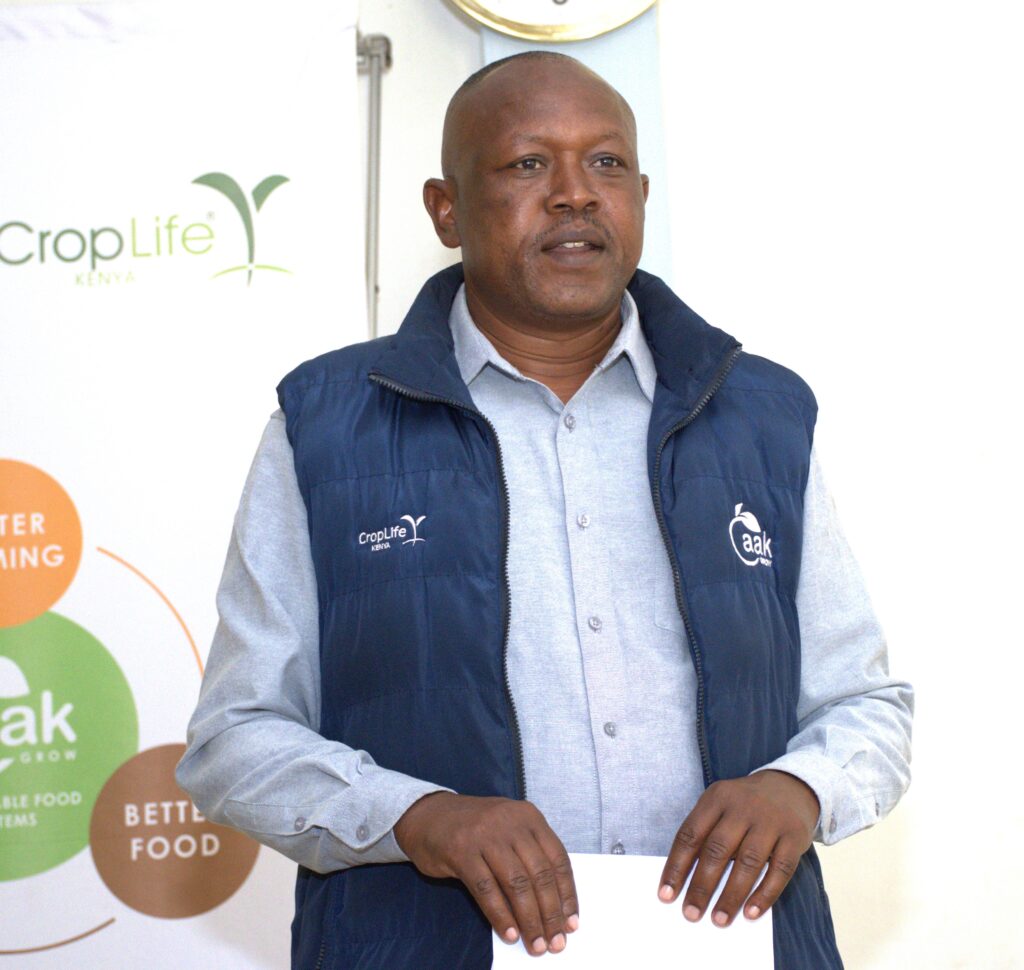
He added that farmers are suffering because they are sold products by counterfeiters that do not work at all, with some being very toxic.
Mutai stressed the critical role of agro dealers, noting that many had attended the session. “The most important part that the agrodealers play is to avoid stocking these particular products because denying counterfeiters space for stocking would curb the circulation of illegal pesticides.”
A major component of the campaign is enforcement, which PCPB General Manager for Compliance and Enforcement Lele Kalawa said has taken on growing urgency. Explaining the PCPB’s mandate, he said the board is established to regulate the pesticide industry in Kenya, beginning with a rigorous process of scientific evaluation before any product is registered.
“Once approved, pesticides carry labels with instructions. Every farmer or every user of pesticides, which are poisonous, as long as they rely on the pesticide labels, they will be safe for humans, animals, and the environment. There is a post-registration activity also conducted by PCPB to ensure all the pesticides that are being processed during the registration process in Kenya are the ones that are available to the farming community.”
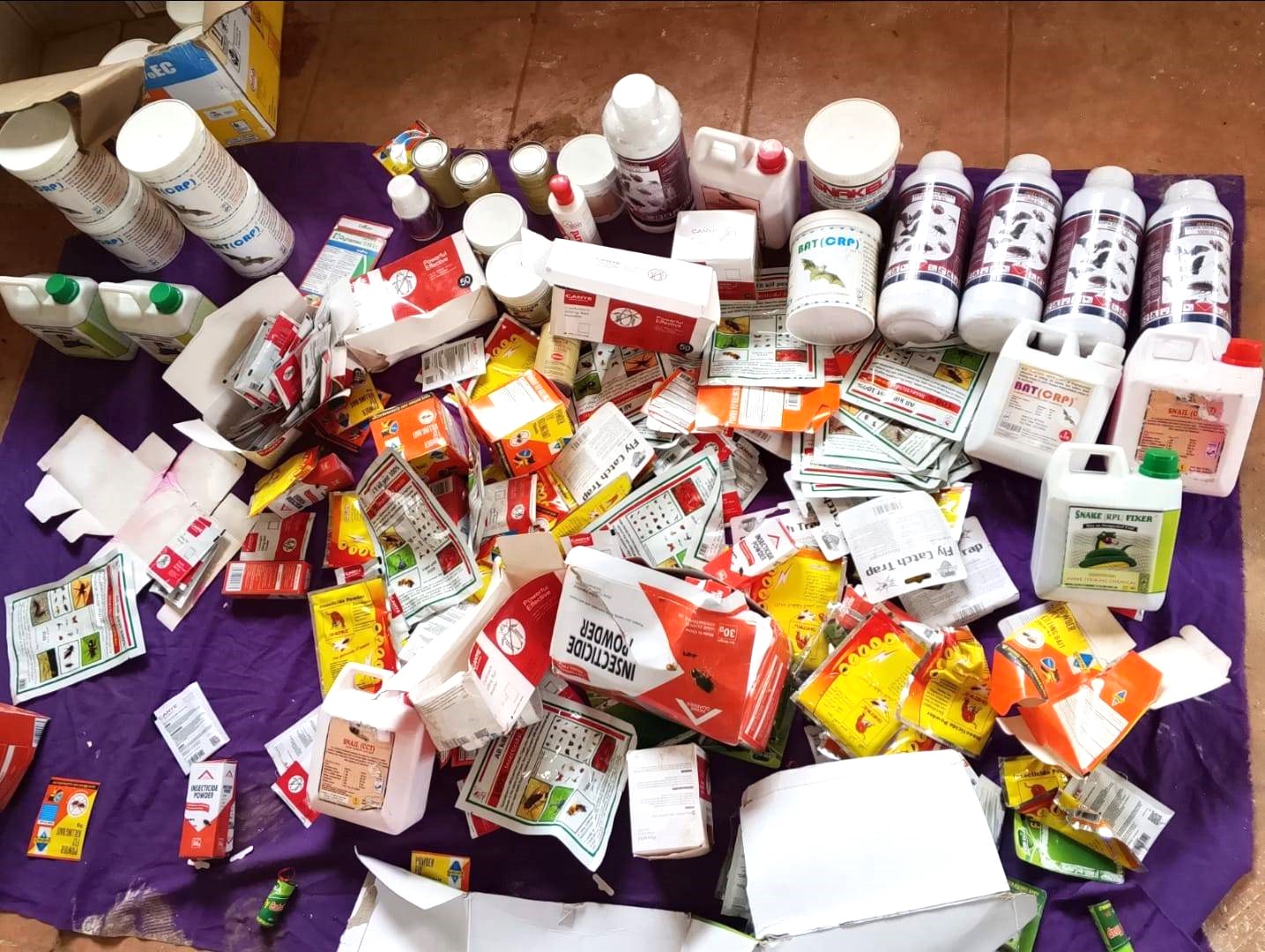
Kalawa said the Board has strengthened its enforcement capacity through targeted measures implemented between 2023 and 2025. In November 2023, PCPB inspectors underwent intensive training at the National Criminal Intelligence Academy conducted by Directorate of Criminal Investigations experts, enhancing investigative and enforcement capabilities. The Board also secured the attachment of DCI officers to support case handling, launched a national Rapid Results Initiative in 2024 targeting hotspots for illegal trade, and filed more than 75 cases in court since January 2024, with over 100 tonnes of illegal pest control products valued at more than KSh70 million seized or intercepted.
PCPB also expanded its presence at One Stop Border Points, including Taveta-Holili, Lunga Lunga, Loitoktok, Namanga, Isebania, and Malaba, and trained newly engaged inspectors in 2025 on illegal product identification and case management.
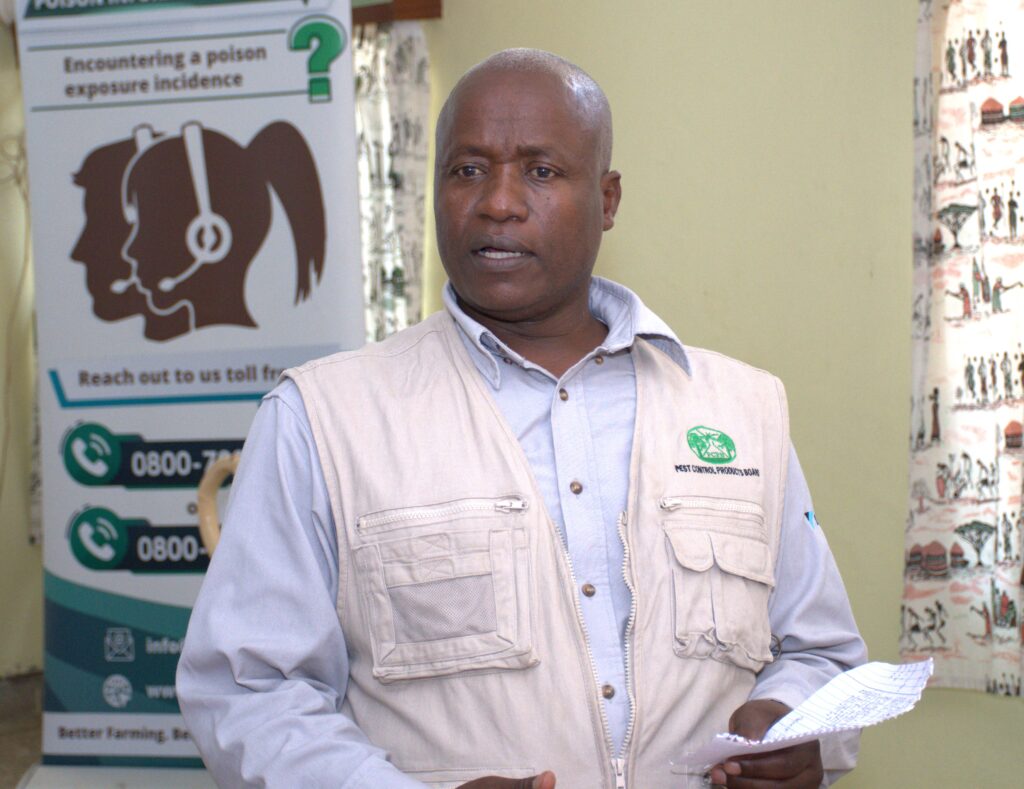
However, Kalawa noted a sharp rise in illegal imports. Traders, he explained, source products not only from neighbouring countries but also as far as China and other parts of the world. Over the past year, PCPB has intensified operations and arrested many traders in shops, streets, and in factories, handling unregistered pesticides, amounting to 70 cases in the courts of law.
He said the board is issuing a strong warning: “We are about to get to your doorstep, and the full force of law will take its course.” Illegal pesticides, he noted, also deny government revenue, reduce agricultural production because they are ineffective, and cause loss of business to genuine traders, leading to loss of employment.
Kalawa added that border officers from Kenya and Uganda are being trained to identify genuine, counterfeit, and unregistered pesticides, supported by a catalogue of illegal products. Both countries have committed to joint enforcement, and beyond border checkpoints, authorities now undertake patrols along the borders of the two countries in a multi-agency approach, which he said is showing a lot of success.

CropLife Uganda welcomed the joint initiative with the Executive Secretary, Betty Atto, saying counterfeit pesticides had long been a challenge in Uganda. “We are happy that CropLife Kenya, together with Trademark, came together and planned this meeting. We should unite to enforce and ensure that we clean up the market, we clean up the borders, because if the trade is not stopped, we are going to have a big problem in the future.”
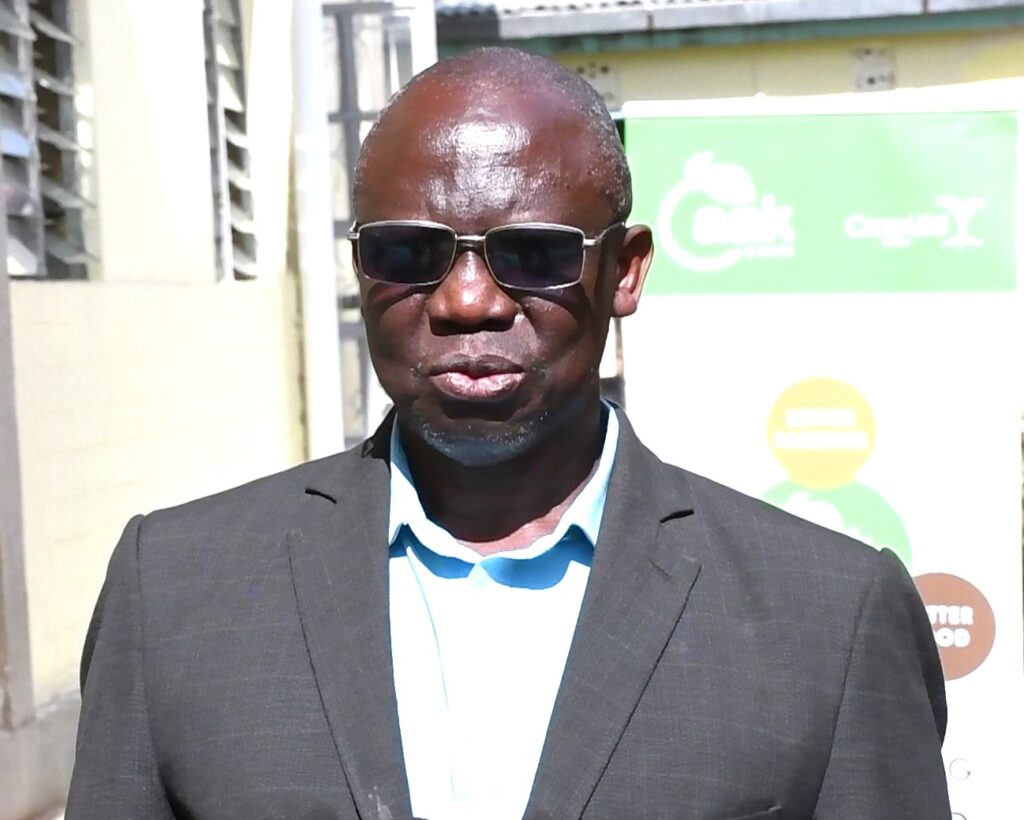
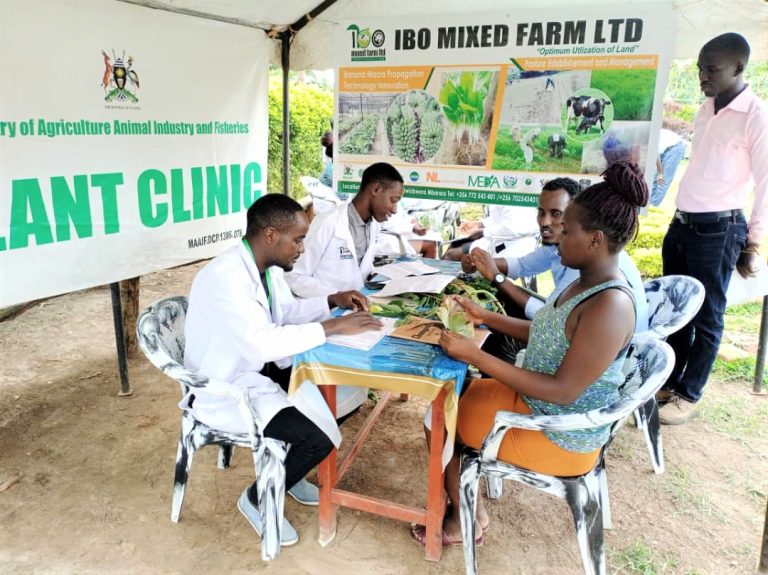
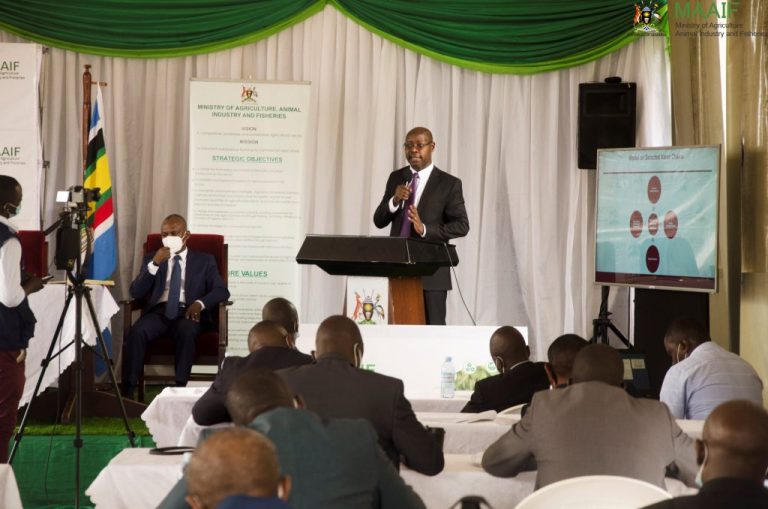
Uganda’s Ministry of Agriculture, Animal Industry and Fisheries (MAAIF) also endorsed the collaborative approach. Assistant Commissioner for Agro-chemicals John Mwanja said the training was timely because border points are where the verification of counterfeit products mainly takes place. He said participants learned how to identify counterfeits, understand their environmental and health impacts, and report cases to authorities. Working together, he said, is a better methodology than when you fight alone.
Kenyan administrators echoed this position with Solomon Chazira Kitai, Deputy County Commissioner for Teso North, saying the meeting provided practical guidance on protecting farmers. “We are looking at various ways in which you can control the issue of the propagation of counterfeit pesticides, which are now rampant in our markets. With this, we are also trying to make sure that we increase food production and ensure that there is food security, because we realize that across the border, we have some pesticides that are coming in that are not good for use in our farms. So, this has been good, and we have learned a lot about how we can go about and prevent this.”
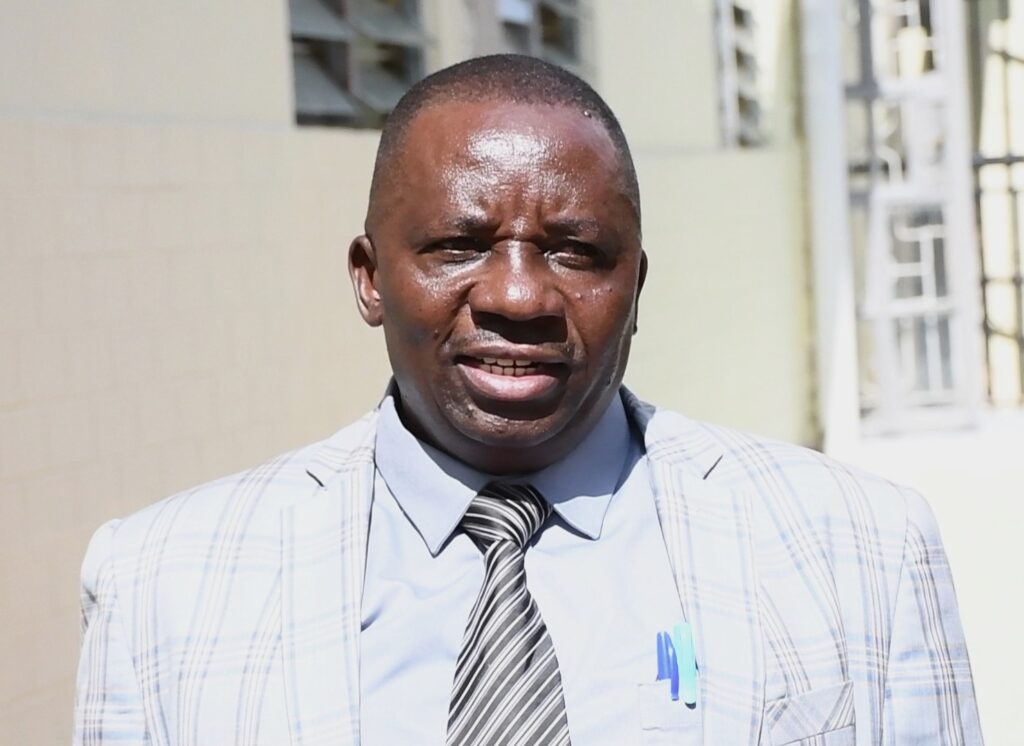
Agro dealers, who often face the direct effects of illegal trade, stressed the impact on local businesses and farmer safety. Andrew Netia, proprietor of Agape Agrovet in Nambale and Secretary of the Busia County Agrodealers Association, said the influx of cheaper counterfeit goods from across the border had hurt legitimate traders. He said some of these products lead to hazardous effects, including misuse that contributes to health risks such as rising cancer cases.
Netia said agro dealers are carrying out demonstrations and field days to educate farmers about safe pesticide use. “We sensitise the farmers on the importance of strictly adhering to Kenyan products rather than those products from elsewhere, which are harmful to them,” he said.
As cross-border cooperation deepens, regional stakeholders hope the unified approach will significantly curb counterfeit pesticides and strengthen the safety and integrity of East Africa’s agricultural systems.