
The Kenyan government has introduced the Animal Identification and Traceability Bill (ANITRAC, 2026), a proposed law aimed at expanding Kenya’s share in regional and international markets for animal products.
According to the Deputy Director of Veterinary Services at the Ministry of Agriculture, Livestock and Fisheries, Dr Jane Njuguna, the legislation is expected to unlock market opportunities by driving a transition to a data-driven livestock economy anchored on technology, youth empowerment and adherence to strict international standards.
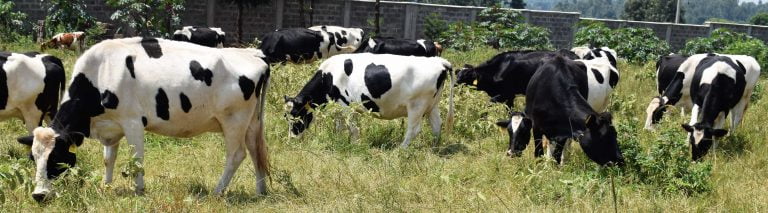
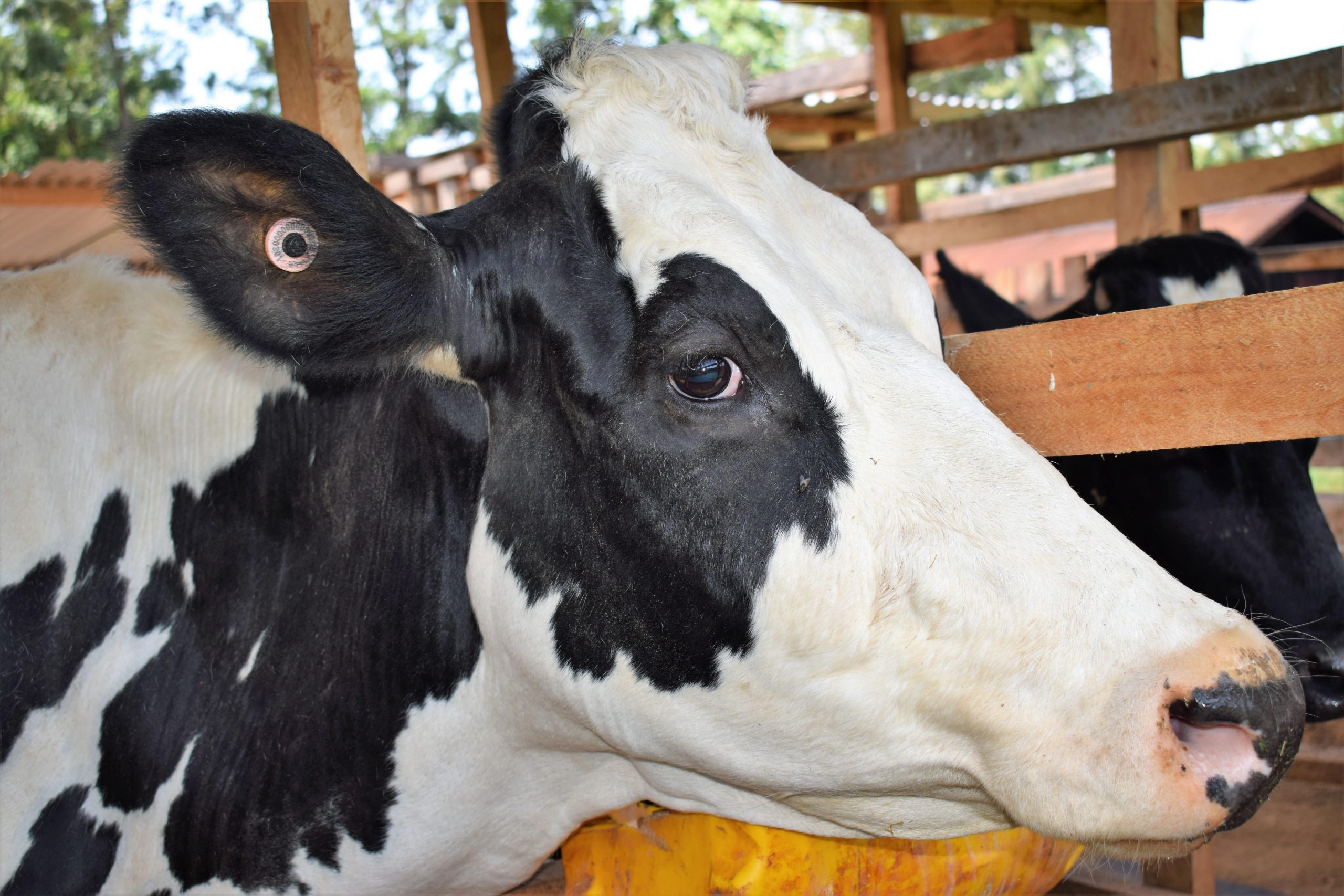
Dr Njuguna said the system is designed to curb cattle theft and enhance animal health management through the use of microchipped tags. Once scanned, the tags will provide key data, including the owner’s name, the animal’s weight, date of birth, production levels for milk, meat or eggs, and vaccination records.
ANITRAC, developed by the Ministry of Agriculture, is a digital platform that tracks animals from birth to slaughter. Although its pilot phase was launched on May 22, 2025, full implementation is scheduled for next month. The initiative includes a 50,000-head cattle pilot project in Laikipia.
The system, which uses RFID technology, is expected to help curb theft, monitor animal health and improve food safety by tracking animal movements and linking them to ownership, thereby enhancing both local and international trade.
Speaking during a public participation forum in Nakuru, Dr Njuguna said the introduction of ANITRAC aligns with President William Ruto’s commitment to modernising the livestock sector through technology and data-driven approaches. The forum brought together key stakeholders to deliberate on the proposed legislative framework and collect input on its provisions as part of an inclusive process.
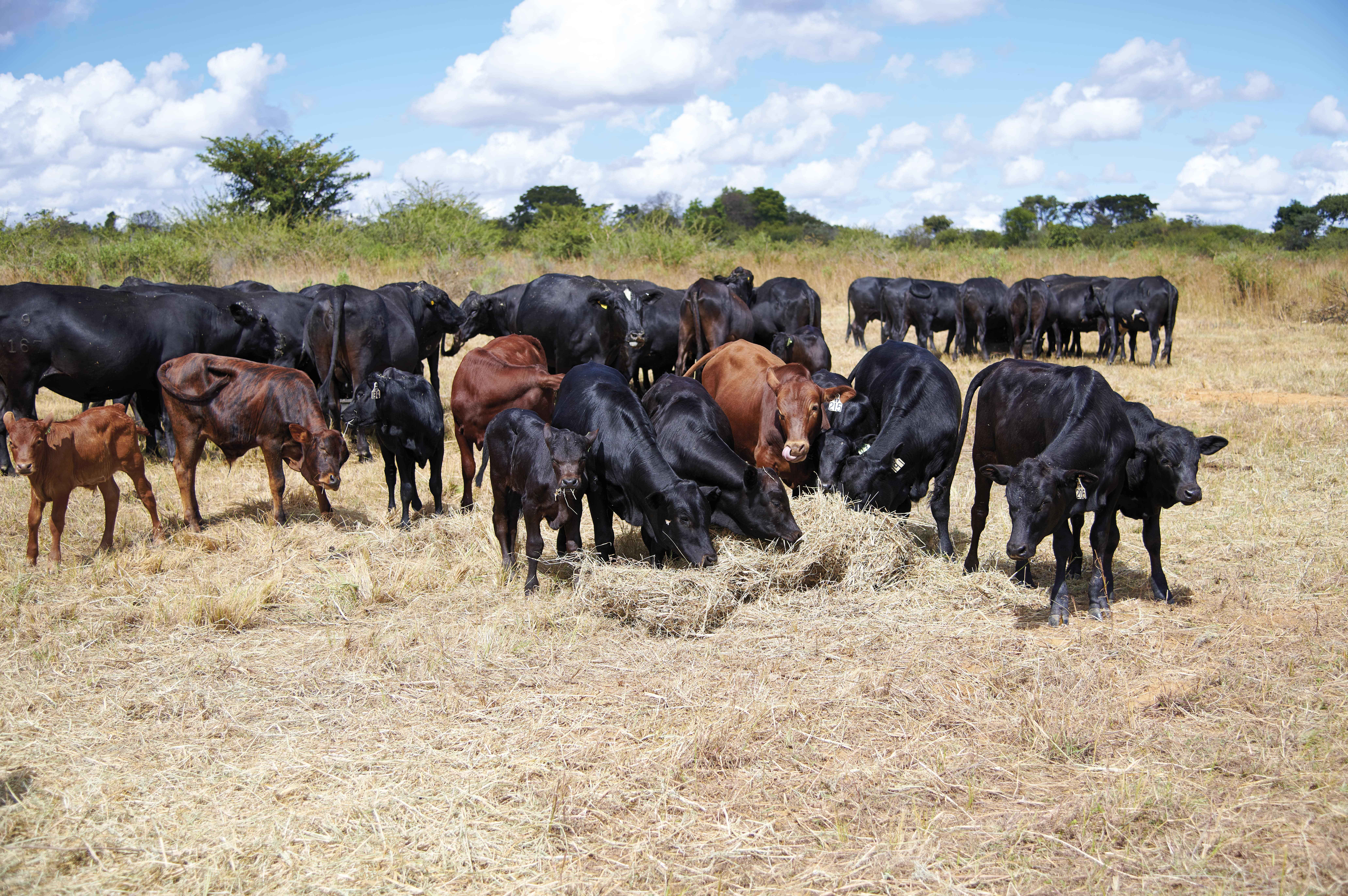
Dr Njuguna explained that larger animals such as cattle, camels, horses and donkeys will be registered individually by the National Registrar under ANITRAC, while smaller animals, including poultry, will be identified in batches based on their birth or hatching timelines.
“The ANTITRAC system is geared towards strengthening animal health management and control of epizootics, which severely impact African livestock systems. The traceability system will enable better monitoring and optimization of interventions to boost local livestock productivity, especially in the milk and meat sectors. This will make marketing easier and help improve animal prices, thereby increasing farmers’ profits,” she opined.
The initiative, spearheaded by the Directorate of Veterinary Services, seeks to establish a unified system for animal identification, registration, traceability and tracking nationwide.
Dr Njuguna noted that the system will enhance the safety of animal products, boost consumer confidence and strengthen disease control and prevention. By providing real-time data on animal movement and health status, ANITRAC is also expected to improve livestock management practices, inform policy decisions and support commercialisation of the sector.
She further emphasized that the system will facilitate market transactions and increase the value of animals, benefiting breeders, while noting that despite high demand for animal products, low productivity continues to limit the sector’s growth.
Kenya is targeting a larger share of Africa’s meat market. In February, the Kenya Meat and Livestock Exporters Council announced plans to expand exports to Libya and Nigeria. Meanwhile, the Kenya Dairy Board adopted a 10-year roadmap in 2023 aimed at nearly doubling milk production to 10 million tonnes by 2033.
The livestock sub-sector contributes 42 per cent of agricultural output and 12 per cent of the national economy, accounting for 30 per cent of total agricultural products. However, only 4 per cent of beef production currently meets export standards, limiting access to premium global markets.
Dr Njuguna said the shift toward digital systems is critical to improving production standards and ensuring compliance with international traceability requirements. She added that, going forward, animals destined for export markets must meet traceability standards enabled by ANITRAC.
She also noted that the transition represents more than a technological upgrade, describing it as a fundamental shift in veterinary practice that will require new competencies in data management, remote services and real-time decision-making.
Dr Njuguna described ANITRAC as a transformative step for the livestock sector, enabling stakeholders to monitor animal health, trace product origins and respond swiftly to disease outbreaks.
“This will support international trade by aligning with global standards for animal product traceability. Stakeholders in the livestock value chain, including farmers, veterinary officers and traders, are expected to benefit from increased transparency and streamlined operations,” noted the Deputy Director.