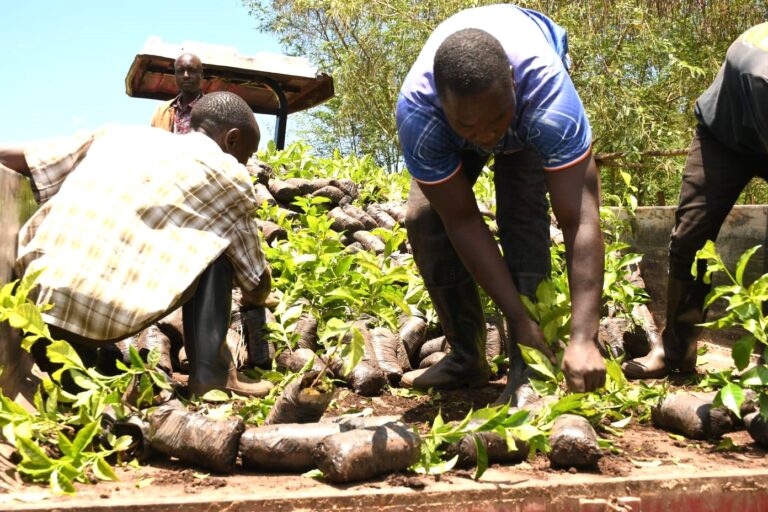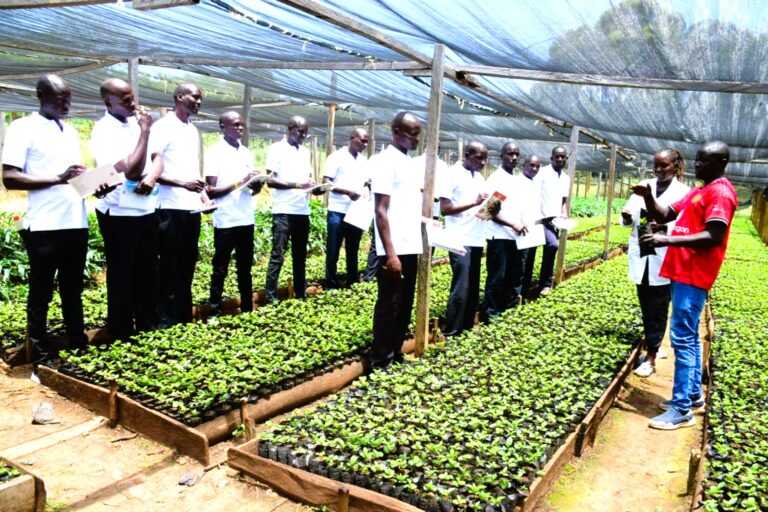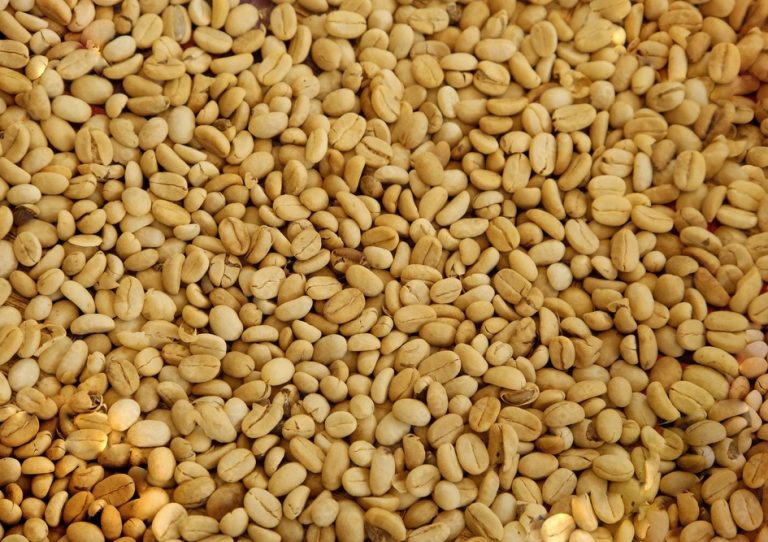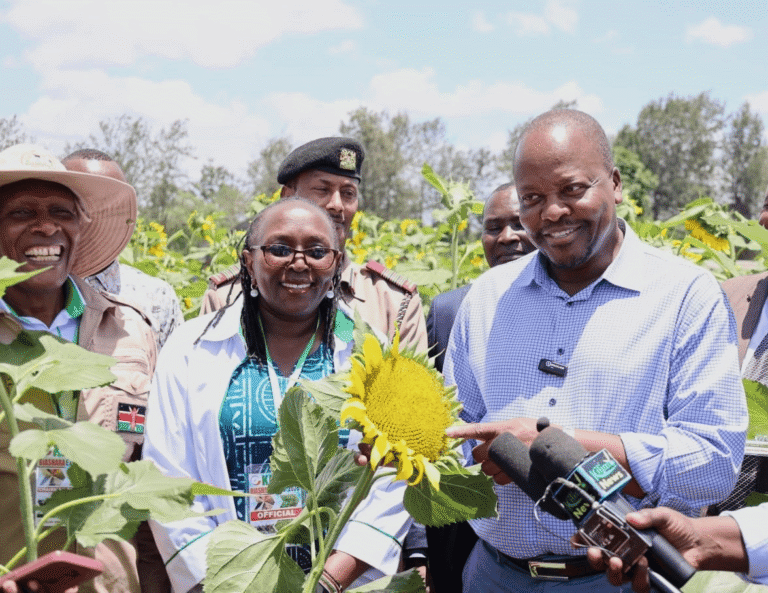

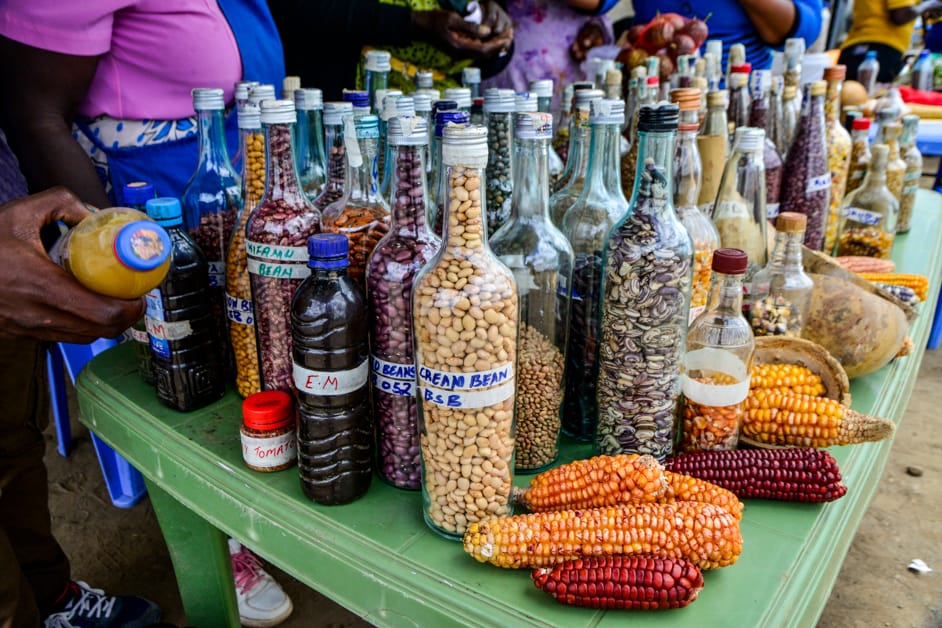
The High Court delivered a significant victory to smallholder farmers nationwide, declaring key sections of the Seed and Plant Varieties Act unconstitutional. The landmark judgment effectively ends the criminalization of saving, sharing, and exchanging indigenous seeds, practices central to Kenyan agriculture.
Justice Rhoda Rutto, presiding over the case, ruled that certain provisions of the law violated constitutional rights, including the rights to livelihood, culture, and economic freedom. The challenged provisions had imposed severe penalties—fines of up to Sh1 million and potential prison terms, for the sale or exchange of unregistered seeds.
The judgment specifically nullified provisions that granted seed inspectors extensive powers to conduct raids on community seed banks, criminalized farmers not registered as commercial seed merchants and gave proprietary rights to plant breeders while denying smallholders the right to reuse seeds from their own harvests.
The court emphasized the critical role of Farmer-Managed Seed Systems (FMSS), stating that these generational practices are constitutionally protected and essential for maintaining both food security and climate resilience across Kenyan communities.
The successful petition was initiated by 15 smallholder farmers, who received comprehensive support from civil society groups advocating for agroecology and farmers’ rights.
Farmers welcomed the ruling as a restoration of fundamental rights that had been unfairly restricted.
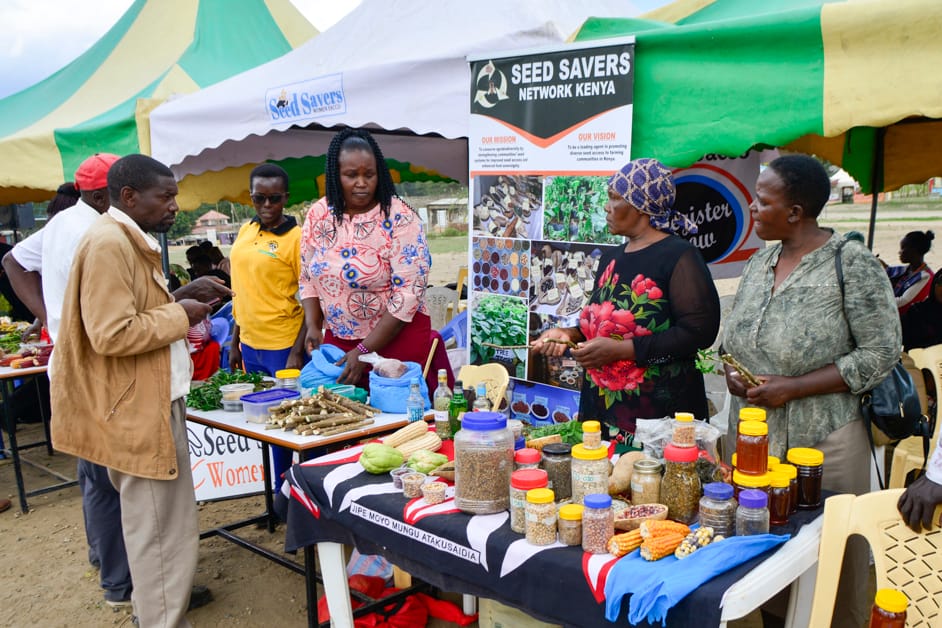
Samuel Kioko Wathome, a smallholder farmer from Machakos and one of the petitioners, said the judgment addresses a long-standing injustice.
“For years, farmers lived as if saving or sharing seeds was a crime; most of us cannot afford certified seeds or fertilizers sold by corporations. We have always bred and stored our own seeds, yet the law treated us like criminals for supporting each other. Today, that fear has been lifted,” he said.
Wathome added that the Act’s previous restrictions had detrimental effects on national food security, forcing farmers into dependency on expensive commercial varieties, even when indigenous seeds were better suited to local conditions.
Veronicah Kalondu, another smallholder farmer and petitioner, hailed the decision as a defence of traditional knowledge and community survival.
“Indigenous seeds are our heritage, they survive droughts, floods and poor soils. Farmers must be free to plant, share and sell these seeds without the threat of fines or jail. This ruling protects the future of our communities,” she said.
Civil society organisations framed the decision as a critical step to safeguard biodiversity and curb the influence of multinational seed companies over local food systems.
Elizabeth Atieno, Food Campaigner at Greenpeace Africa, stated that the judgment frees farmers from unjust limitations on traditional seed practices.
“The court has affirmed that no corporation can own our cultural heritage. This ruling dismantles an unfair monopoly that placed profit above people. Farmers can now feed their communities using climate-resilient indigenous varieties without fear,” she said.
Environmental experts underscored the ruling’s significance for climate adaptation, noting the importance of genetic diversity.
Gideon Muya, Programmes Officer at the Biodiversity and Biosafety Association of Kenya, argued the decision bolsters protection for genetic diversity crucial for resilience.
“Indigenous seeds are the library of life. By declaring that nature’s heritage cannot be patented, the court has safeguarded the backbone of our biodiversity. Farmers now have the freedom to choose what they plant and what they eat,” he said.
The petitioners are now urging the Ministry of Agriculture to revise national seed policies, recognize farmer-led seed systems, and support community seed banks as integral components of Kenya’s food production landscape.