
Tanzania Deputy Minister for Agriculture, David Silinde (MP), has called on farmers engaged in ecological organic agriculture to continue working closely with the government to achieve sustainable farming and national food sufficiency while safeguarding the environment.
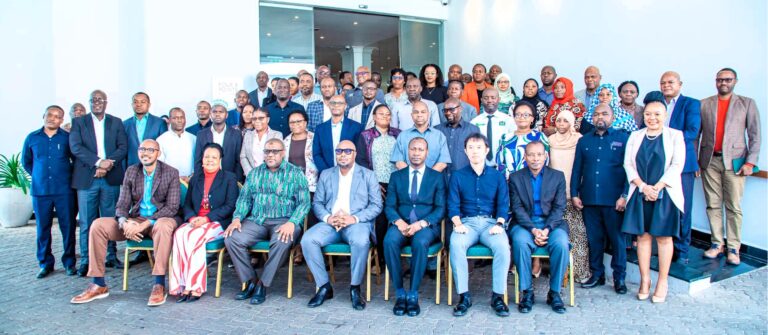
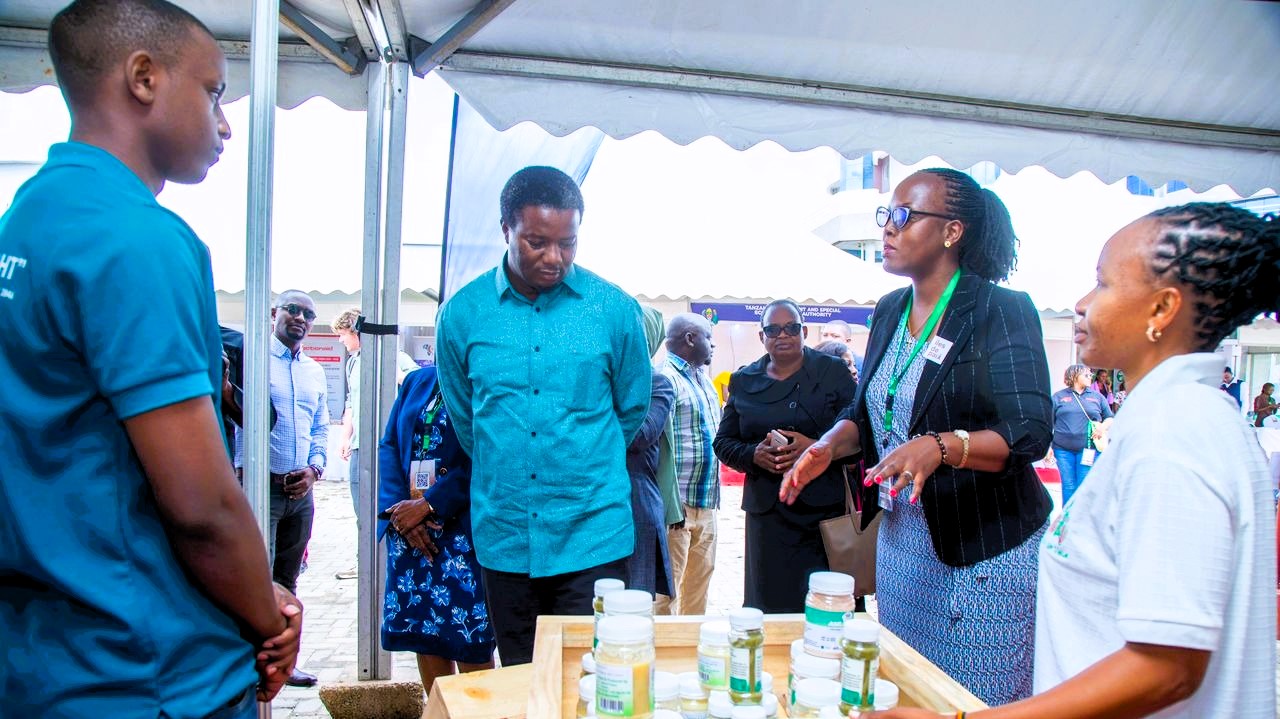
Silinde made the remarks on behalf of the Minister for Agriculture, Daniel Chongolo (MP), during the Fourth National Conference on the National Ecological Organic Agriculture Strategy (NEOAS) held on March 3, 2026, in Dodoma.
He urged various stakeholders to continue financing the implementation of the strategy under the strong coordination of the National Implementation Task Force (ITF), noting that such collaboration is key to transforming the agricultural sector. The initiative, he said, aims to reduce poverty, increase employment, especially among youth and women, and achieve a 10 percent growth in the agricultural sector by 2030.
The Deputy Minister noted that the conference theme, “Ecological Organic Agriculture: Strengthening Food and Nutrition Security, Resilience and Economic Sustainability,” aligns with the priorities of the Ministry of Agriculture and broader agricultural development programmes. He added that the government has already taken steps to transform the sector, including increasing the agriculture budget to TSh 1.24 trillion for the 2025/2026 financial year.
Silinde also urged participants to hold in-depth discussions on how to advance ecological organic agriculture initiatives, including the implementation of the Ecological Organic Agriculture Strategy 2023–2030 and the Agriculture Master Plan 2050, to achieve sustainable agriculture and ensure food security while protecting the environment.
He said Tanzania currently has 770 indigenous seed varieties for crops, including millet, rice, sorghum, finger millet, bananas, beans and papaya. Through the Tanzania Official Seed Certification Institute (TOSCI), the country has completed the identification of 13 indigenous seed varieties of maize, rice, beans and papaya, which have been incorporated into the formal seed system.
Meanwhile, the Tanzania Agricultural Research Institute (TARI) is continuing efforts to collect, clean and conserve 360 indigenous seed varieties from crops such as rice, sesame, finger millet, green gram, cowpeas, bananas, cashew nuts, sweet potatoes, black pepper, cucumber, pigeon peas and soybeans.