
Tanzania Considers Sustainable Agricultural Mechanization a Strategic Priority for Transforming Agriculture
The Prime Minister of the United Republic of Tanzania, Dr. Mwigulu Nchemba (MP), has said Tanzania views the sustainable use of agricultural mechanization as a strategic necessity for transforming the agricultural sector, increasing productivity, and building resilient food systems across Africa.
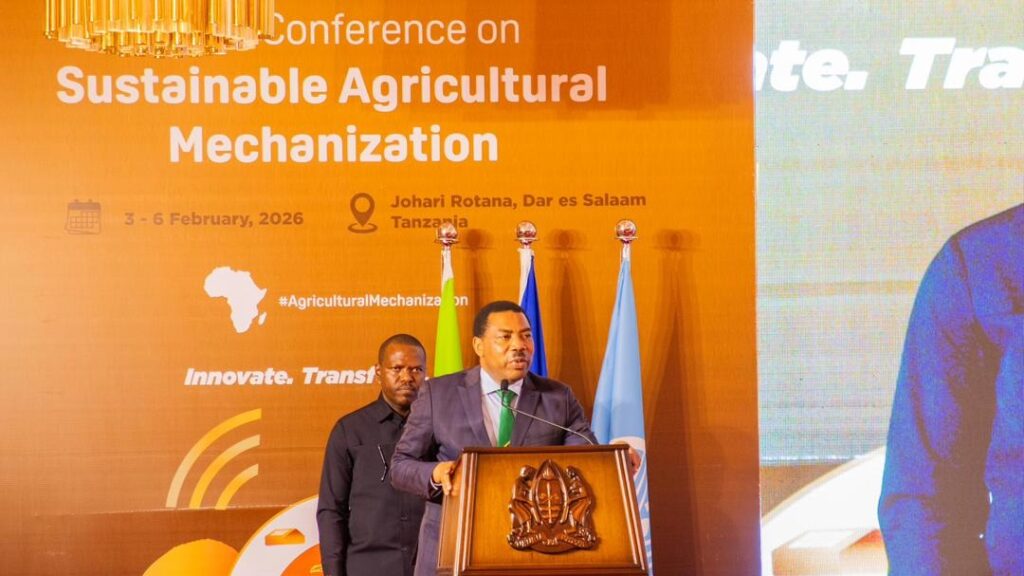
He made the remarks while officially opening the first Africa Conference on Sustainable Agricultural Mechanization (ACSAM) held in Dar es Salaam through a partnership between the Government of Tanzania and the United Nations Food and Agriculture Organization (FAO).
Dr. Nchemba said continental initiatives such as the Framework for Sustainable Agricultural Mechanization in Africa (F-SAMA), the CAADP Kampala Declaration, and the CAADP 10-Year Strategy (2026–2035) demonstrate Africa’s shared commitment to strengthening food production, increasing investment, building resilient systems, and ensuring food and nutrition security.
In implementing this agenda, the Prime Minister said Tanzania has increased investment in mechanization services, youth skills development, and research institutions. He noted that the country has developed a National Agricultural Mechanization Strategy in collaboration with FAO, aimed at strengthening the adoption and sustainable management of modern technologies across agricultural production and value-addition chains.
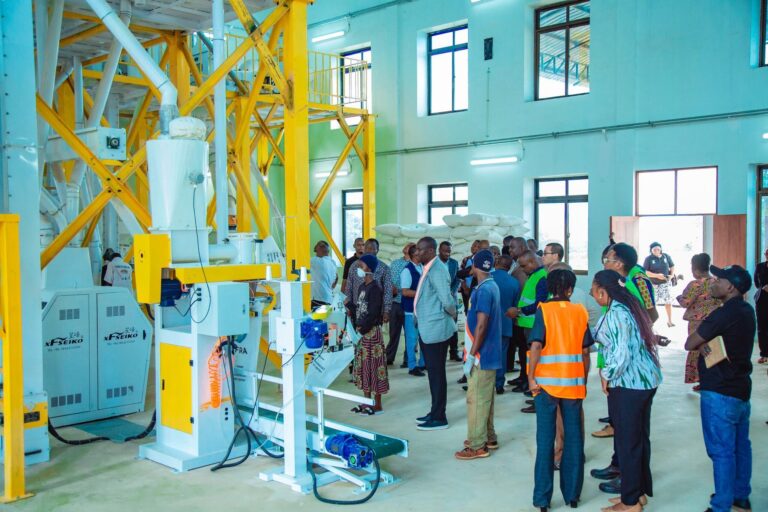
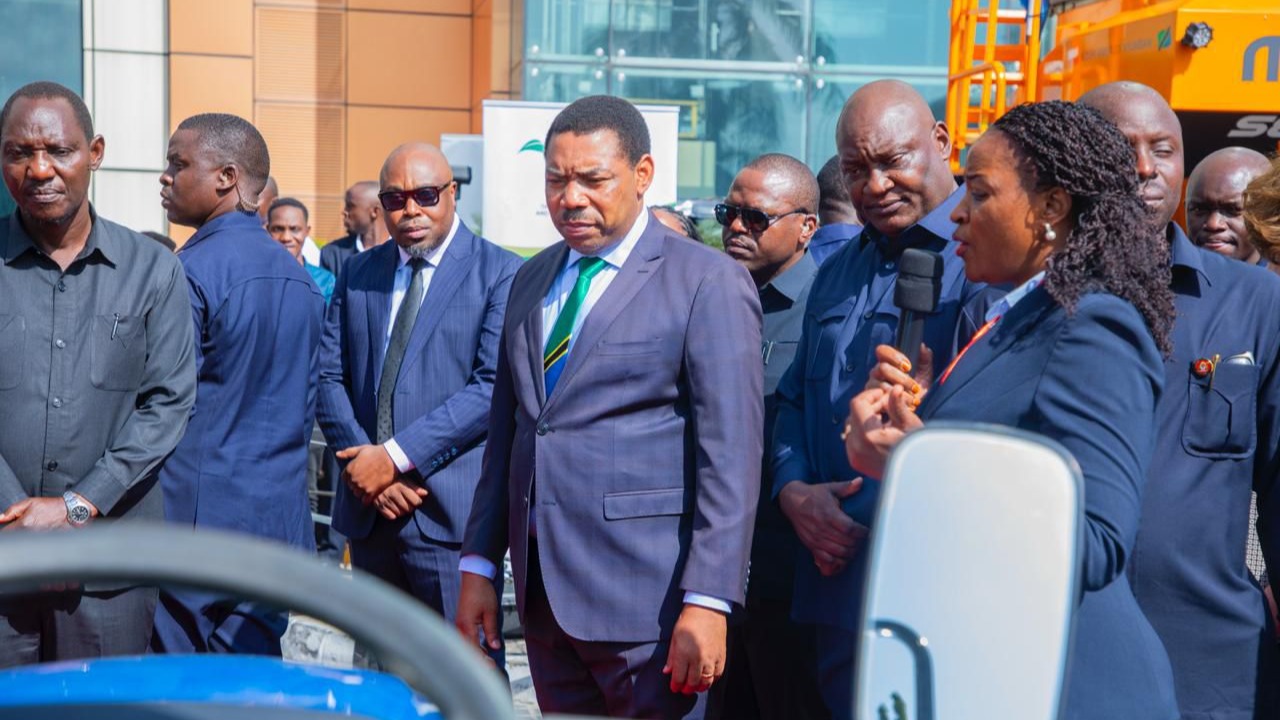
He added that the government continues to establish integrated agricultural mechanization service centres nationwide, with plans to procure 10,000 tractors and related equipment to support the establishment of 1,000 ward-level centres. The initiative is expected to boost productivity, lower production costs, and enable farmers to participate more actively in other economic activities.
The Prime Minister also called for stronger collaboration among governments, the private sector, research institutions, and development partners. He announced that the Government of Tanzania is ready to work with FAO to establish an African Centre of Excellence for Agricultural Mechanization before officially opening the conference and launching the second phase of the National Agricultural Mechanization Strategy (2026–2035).
Dr. Nchemba said the Africa Conference on Sustainable Agricultural Mechanization comes at a critical time for Tanzania, noting that agricultural transformation requires modern, inclusive, and sustainable tools to help farmers improve productivity. He made the remarks while launching the conference held from February 3 to 6, 2026, at Johari Rotana Hotel in Dar es Salaam.
He said longstanding challenges in agriculture are now set to find solutions through improved mechanization and urged participants to develop actionable and measurable targets that will help Tanzania achieve a modern, resilient, and productive agricultural sector.
The Prime Minister noted that one of the major challenges facing the agricultural sector is the low participation of youth due to the continued use of outdated farming tools. As a result, much of the agricultural labour force has shifted toward women, leading to low productivity and widening gender disparities in the sector.
He emphasized that discussions on agricultural mechanization during the Africa-wide conference provide solutions to the challenge of limited youth engagement, adding that inclusive mechanization will increase youth participation, boost productivity, expand employment opportunities, and improve youth livelihoods.