
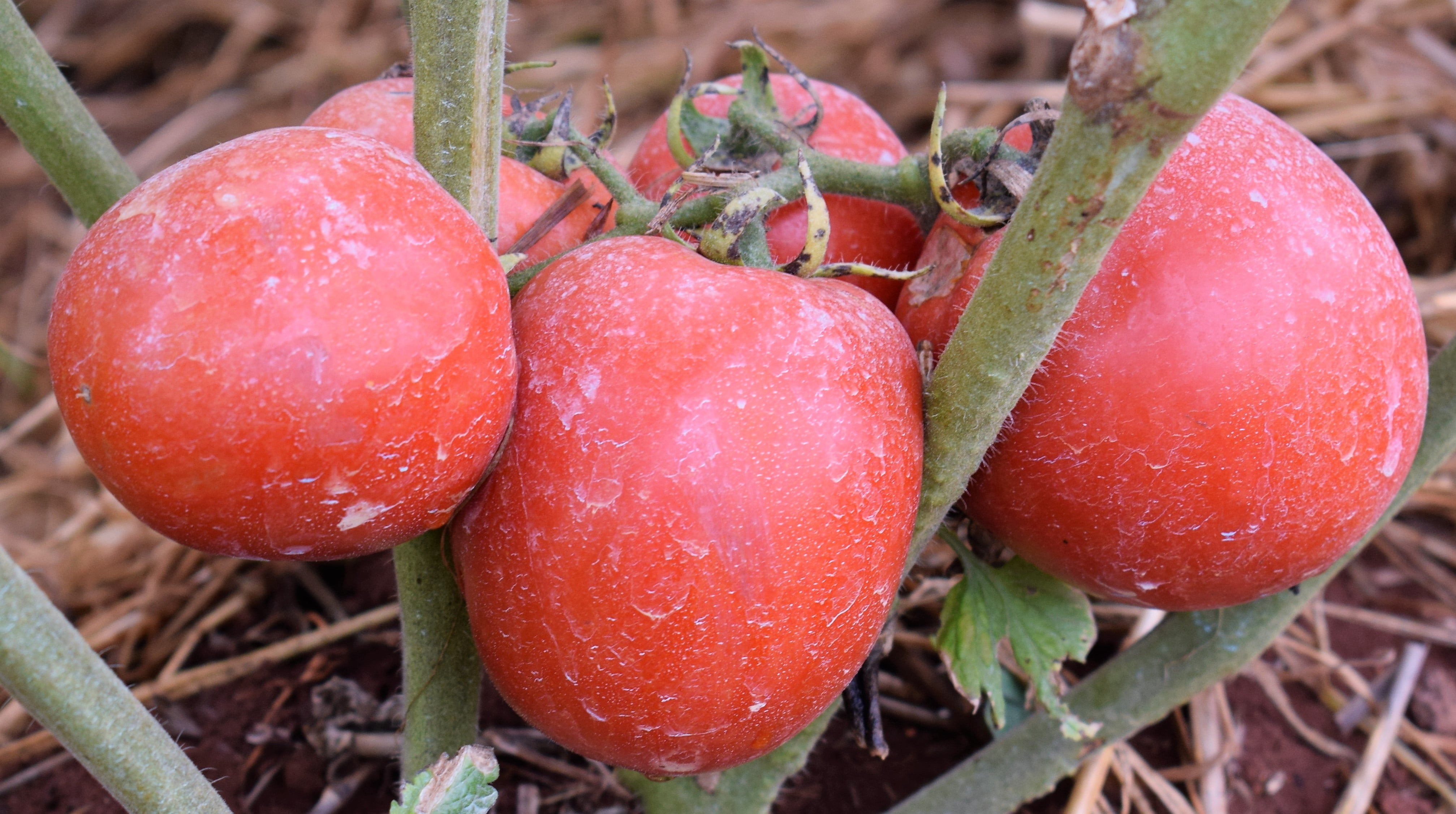
Tomato farmers in Central Kenya, including Kirinyaga, Nyeri and Laikipia counties, are grappling with heavy losses following a surge in production that has flooded local markets and driven prices to record lows.
At Kagio Market, one of the region’s largest farm produce retail hubs, a 60kg crate of Grade One tomatoes is currently retailing at Sh1,000, down sharply from the usual Sh4,500 to Sh6,000. Prices for Grade Two tomatoes have fallen even further, with a 60kg crate selling for as little as Sh500.
Farmers say the oversupply has left them counting significant losses at a time when economic pressures are already severe.
“The cost of quality seeds, labour, pesticides, and irrigation was very high this season. I worked hard under harsh weather conditions, hoping for higher yields, but now I cannot even cover the production costs,” said John Muthii, a farmer from Kirinyaga’s PI area.
The situation is expected to deteriorate further due to the prevailing warm weather, which is favourable for tomato farming and likely to sustain high production levels.
“We have resorted to feeding part of our harvest to livestock because it will rot anyway, and the buyers who come to the farm are not making it any easier,” he said, noting that farm gate prices for a 60kg Grade One crate have dropped to between Sh300 and Sh500.
Post-harvest losses have also risen sharply as a result of the glut, with large quantities of tomatoes going to waste. A walk through the market tomato sections reveals crates of produce lying rotting.
Another farmer, Beatrice Wanjiku from Local 20 in Murang’a County, said she is struggling to sell her harvest amid weak demand. “I have over 3,000 kg of tomatoes still in my storage. Buyers are scarce, and the few who come to buy offer extremely low prices. Many of us are losing money on transport and labour alone,” she said.
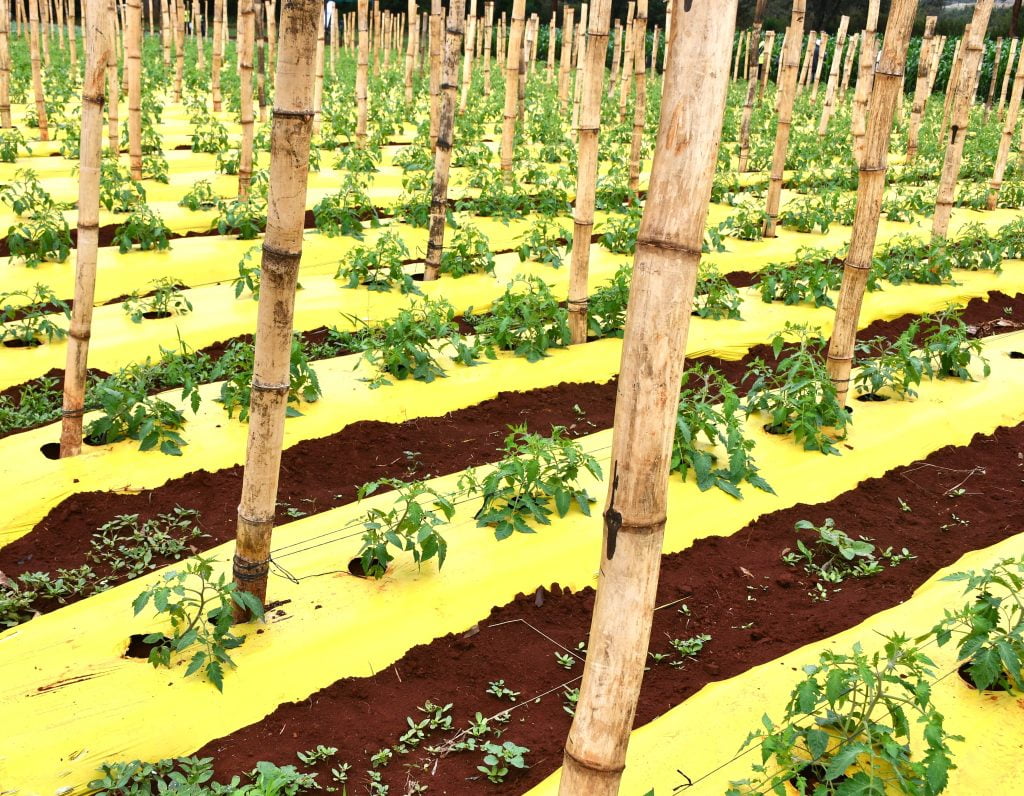
Wanjiku grows tomatoes under irrigation, an investment she says is costly.
At Mukuyu Market in Murang’a, a kilo of tomatoes is selling for as low as Sh20, compared with Sh80 recorded just a few weeks before the festive season.
According to statistics from the Ministry of Agriculture, Central Kenya produces an average of 150,000 tonnes of tomatoes annually, with peak harvests occurring between December and January.
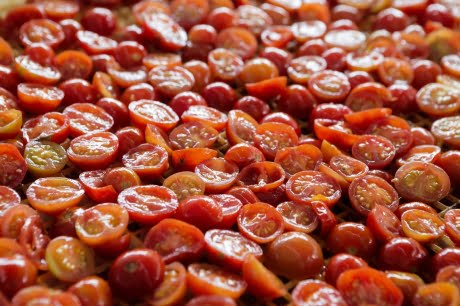
Agricultural experts have urged farmers to adopt cooperative marketing, value addition and off-season production as measures to cushion against market shocks. They have also recommended exploring processing options such as tomato paste and sauces to reduce post-harvest losses.