
By Henry Kinyua
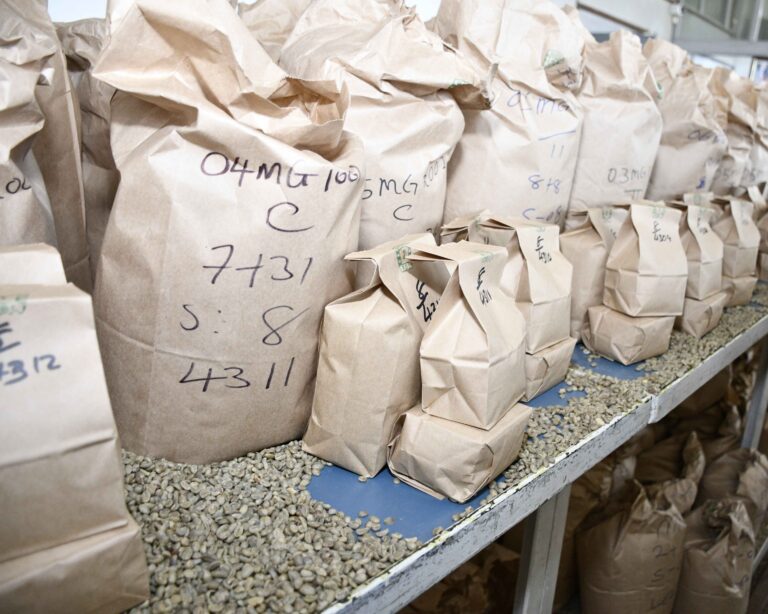
If coffee auctions had personalities, Sale 24 at the Nairobi Coffee Exchange would be that quiet trader—less noise, fewer bags, but still moving serious money behind the scenes.
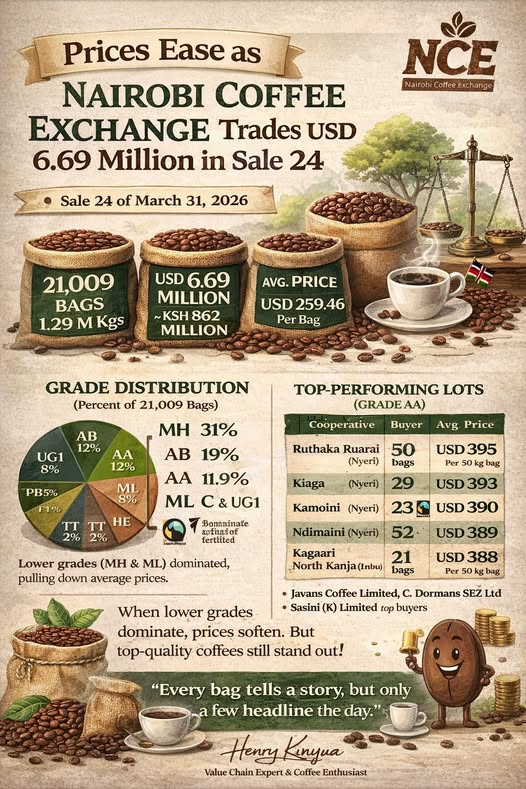
The auction held on March 31, 2026, recorded a total of 21,009 bags (1,288,415 kilograms) traded, generating a market value of USD 6.69 million (≈ KSh 862 million). The sale achieved an average price of USD 259 per 50-kg bag, signalling a softer market compared to recent weeks.
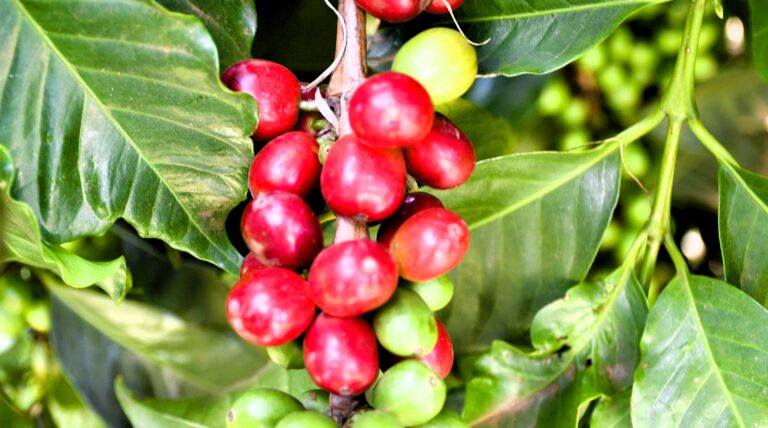
In farmer terms, this translates to about USD 5.19 per kg of clean coffee, or roughly USD 0.80 per kg of cherry, equivalent to approximately KSh 103 per kg of cherry using the standard 6.5:1 conversion ratio. Despite the softer average, the market still recorded a high of USD 395 per 50-kg bag, showing that quality coffees continue to command strong premiums.
The grade mix explains much of the price movement. Mbuni-MH grade dominated with 6,401 bags (31%), followed by AB (19%) and AA (12%), while ML, C, and UG1 added significant volumes. In total, lower grades-Mbunis- (MH & ML) accounted for nearly 38% of the auction, outweighing premium AA and exerting downward pressure on prices.
Even so, the top end of the market remained competitive, led by high-quality cooperative coffees.
The top five AA lots stood out both in price and consistency: Ruarai factory-Ruthaka FCS (Nyeri) led with 50 bags at USD 395, followed by Kiaga factory-Othaya FCS (Nyeri) with 29 bags at USD 393 and Kamoini factory-Othaya FCS (Nyeri) with 23 bags at USD 390, both Fairtrade-certified.
Ndimaini factory-Gakuyu FCS (Nyeri) traded 52 bags at USD 389, emerging as one of the largest high-value confirmed lots, while Kagaari North Kanja FCS (Embu) offered 21 bags at USD 388. These top lots were largely acquired by Javans Coffee Limited, alongside C. Dormans SEZ Ltd and Sasini (K) Limited, highlighting sustained demand for traceable, high-quality coffees from central Kenya.
Overall, Sale 24 reinforces a familiar lesson in Kenya’s coffee market: when lower grades dominate the catalogue, prices tend to soften, but quality coffees still rise above the crowd. And as the auction bell falls, one truth remains: every bag tells a story, but only a few get to headline the day.