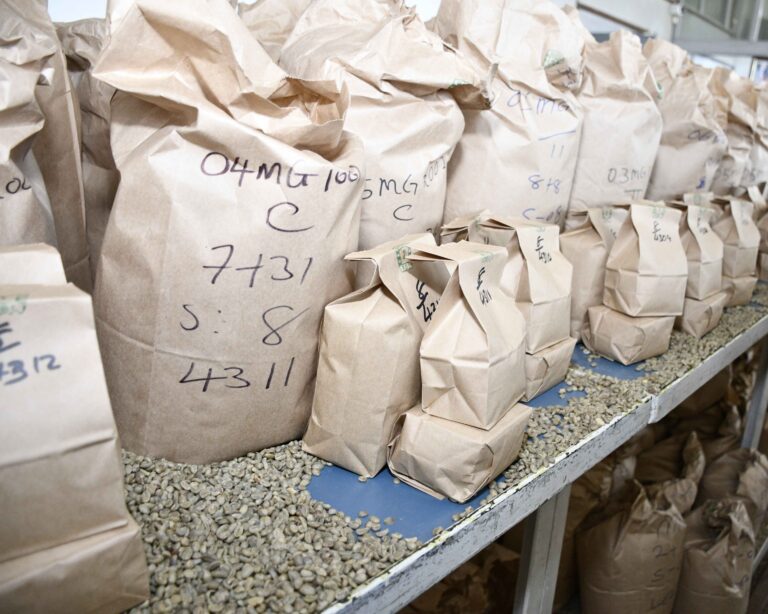

Beekeeping has generally been practised in a few places in Kenya, largely on a small scale, mostly by traditional beekeepers. This too was done using archaic equipment and methods and was largely for honey and later wax. Today, the value chain is growing, and there is also modern beekeeping equipment to ensure high-quality products. Value addition has also gone high-tech, ensuring the availability of a range of products in different areas like medicinal, beauty, nutrition, etc. Some of these products are also fetching millions for beekeepers.
Kilimo News writer Kimuri Mwangi engaged the CEO of Savannah Honey, a company that is engaged in the modern beekeeping business and below is a snippet of the interview.
Let’s start by knowing you and what Savannah Honey does.
My name is Kyalo Mutua, the CEO of Savannah Honey. We are headquartered in Nairobi, Kenya. We also have two offices in Uganda and an office in Rwanda,Malawi,Zambia,angola and Somalia.
Actually, many times when you tell somebody that you are doing beekeeping, they just think of honey. But now at Savannah Honey, we have gone ahead to handle all the products that come from the bees. We handle the entire beekeeping value chain that includes the beekeeping equipment for production, harvesting, processing, and more. In addition, we also handle the delivery and the installation. We normally like doing the installation so as to ensure that we place the hives at the right angle.
We do what we call a citation to make sure that the bees can see the beehives very fast, and the bees can be colonised very fast, and more to that, we also provide our clients with a five-year contract. The beauty of the five-year contract is that we serve the clients free of charge. We manage their business, we ensure that the hives are colonised, the colonies are strong, and also the queens are healthy.
Again, we provide our clients with the market for the products.
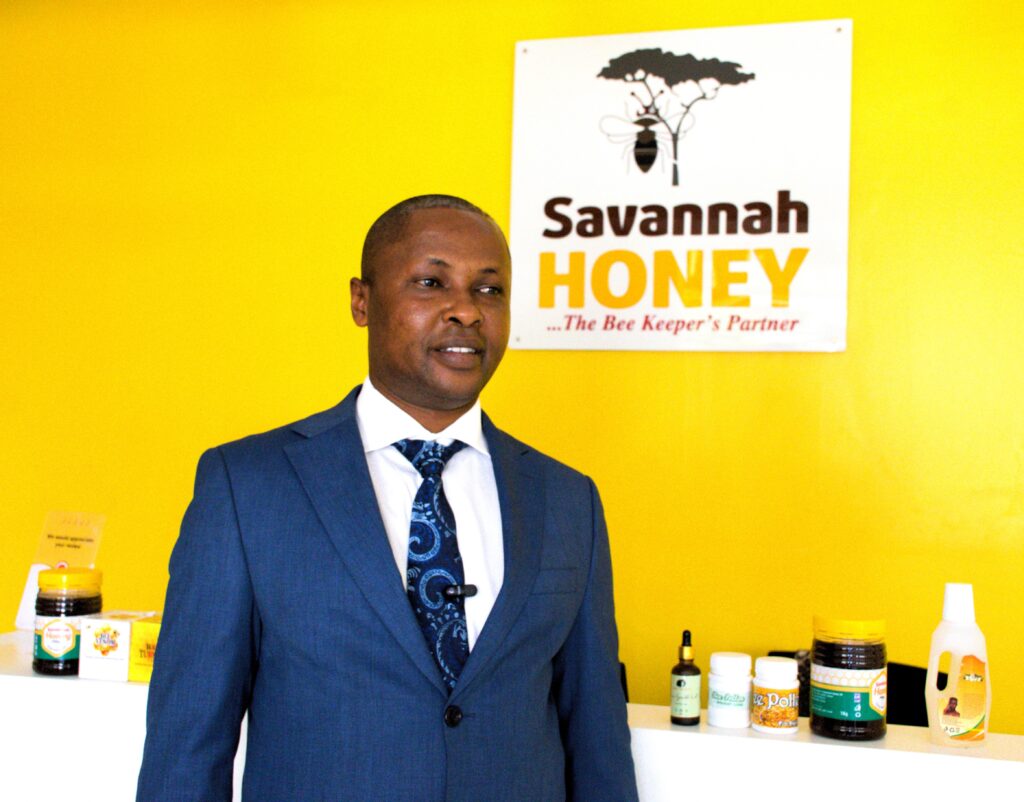
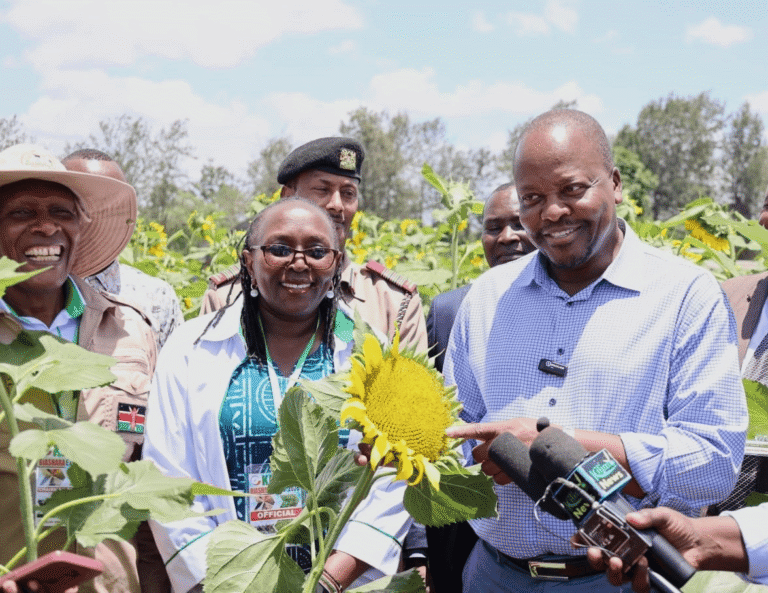
Kyalo Mutua, the CEO of Savannah Honey Photos by Kimuri Mwangi
What does the five-year contract entail?
We run a mantra that we say don’t let your land stay idle, so invest in contractual beekeeping. What this means is that if you have got your land out there and maybe you are busy at work, or once you’ve bought the beehives and we deliver and install them, once every month, when you provide the bus fare, we visit your apiary and we handle whatever issues may be there. So, every time there’s a challenge in the apiary, you don’t need to bother; you just need to have somebody call us, and we will do the services free of charge.
Services include colony division, which is a new technique of making bee queens, which would go for KShs 9,000 in the market, but for our clients, it’s free. Colony strengthening, which is a new technique of ensuring that your beehive has between 60,000 and 90,000 bees, which in the market is KShs 12,000, but now for our clients it’s free of charge, and that one also includes requeening.
Requeening is a new science of making a queen when we realise that your queen has become dormant. The queen is supposed to lay between 1,500 and 2,500 eggs in a day, but sometimes, when she’s three and a half years old, she becomes dormant or even weak, and the laying slows. So, we come and make a new queen, whom we make sure that the bees also get used to the new smell, and it’s an exercise that normally costs KShs 20,000 in the market, but we give our clients free of charge. Of course, in addition to that, there are the routine inspections and training for your team on the farm, free of charge and still including the first harvest.
We also do the first harvest for all those products for our clients free of charge, and as a result, we ensure that, because there is a very comprehensive technical support backup on your farm, there is no way your project can fail. I mean, it’s a must that the project succeeds.
Take us through the products that you get from bees and buy from beekeepers.
At Savannah Honey, we have gone ahead to handle all the products that come from the bees, and in addition to the honey, we harvest the wax, which we are buying at KShs 700 per kg.
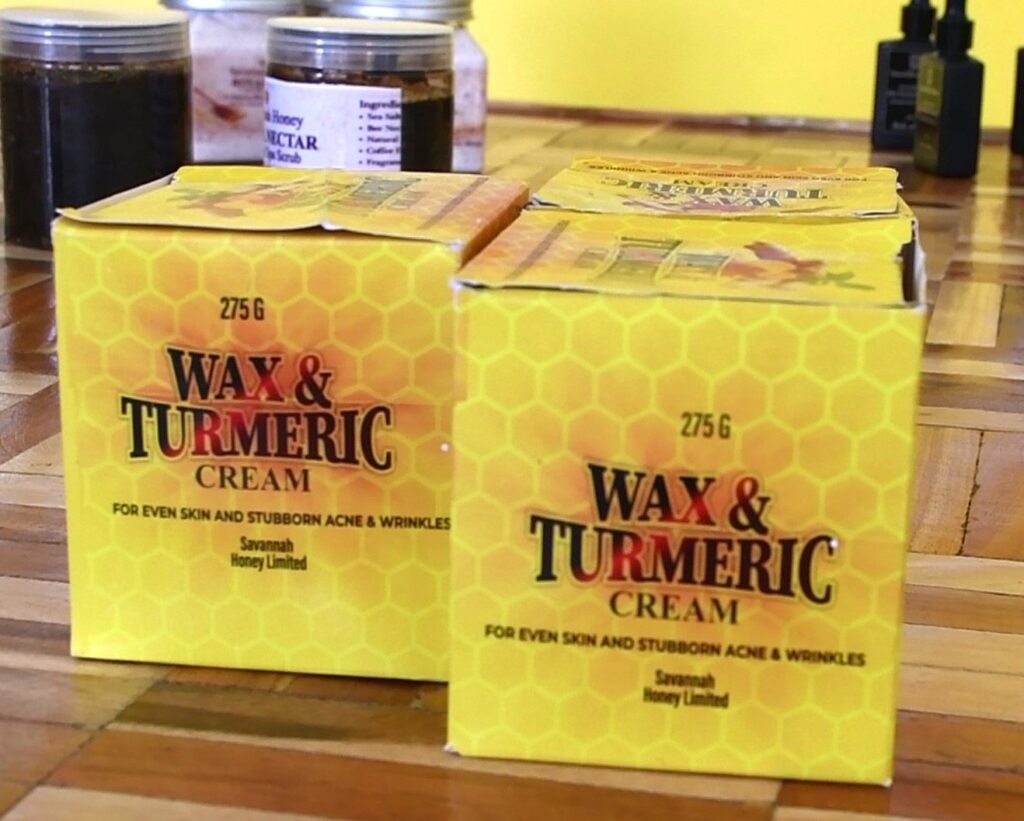
We are also letting farmers know that propolis is not thrown away, because the average beekeeper across the country throws it away every time they harvest. Actually, many people think propolis is beeswax. If you went tonight, wherever someone was harvesting honey, you’ll find a lot of a black substance, which is the propolis they’ve thrown away. Propolis is five times more valuable than honey.
We are buying a kilogram at KShs 1,900 per kg, as propolis is 99 per cent antibacterial and 99 per cent antiviral, and this has made it have a lot of medicinal uses. And Kenya imports 96 per cent of the propolis used in the country. We are using it to make the propolis tinctures, soaps, air conditioners, shampoos, dishwasher detergents, hand wash detergents, propolis honeys, and propolis creams.
We harvest and train our clients on how to get the royal jelly. Royal jelly is the queen’s food, and this is what makes the queen stay for five years while the normal bee stays just for 40 days. And this is what made those old people who were doing beekeeping strong, because then they were eating everything, including the combs. They ended up eating a lot of royal jelly, and that would mean that their anti-ageing properties in the royal jelly were getting into their system. And that’s how you could find somebody being 90 years old, being very strong and not really ageing.
It’s said that the late Queen Elizabeth of England was eating 275 grams of royal jelly, and this could explain why you could see her very strong at the age of 94 years. Actually, it’s one of our fastest-moving products in our offices across Africa. We are buying the royal jelly at KShs 38,000 per kg.
We are also buying the bee pollen, which is the yellow substance that the bees carry on their legs when they return to the hive. It’s what they take in as food for the young ones, and it also contains a very special protein that is not found in any meat or in any legume, which now makes it a super food. It’s sold as a supplement, and most of the pollen that is being consumed in Africa is coming from China.
You just insert the pollen collector at the entrance of the beehive, and you get your pollen. In addition to our export market, we’re also using the pollen to make pollen treatment for different conditions, because pollen, as a superfood, treats 52 human conditions. And so over time, we’ve been able to get the skills and the technology from the Netherlands on how to handle 11 conditions.
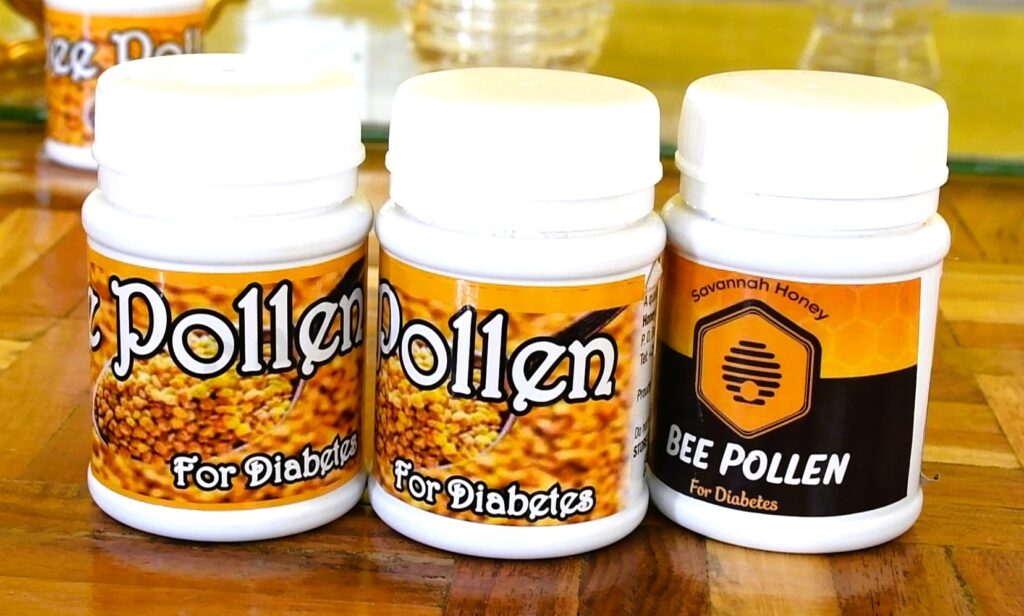
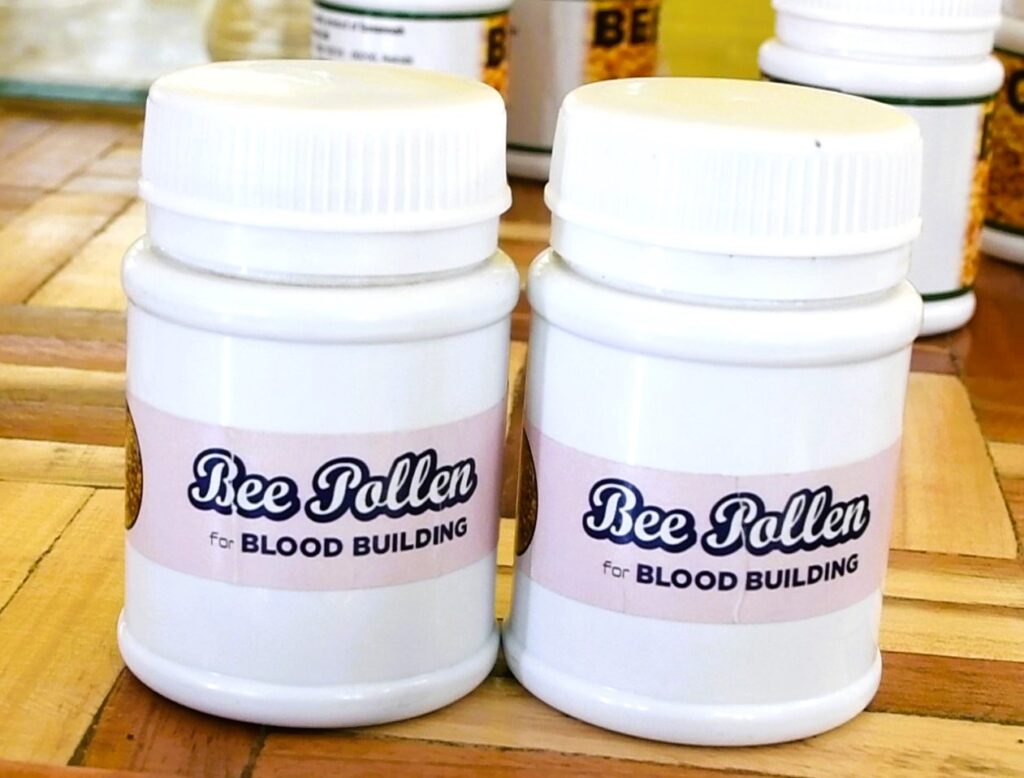
We have pollen for arthritis, for high blood pressure, for diabetes, for heart cells, weight loss, blood building, for the kidney and for the liver, 11 conditions. The pollen’s ability to handle human conditions is in another world. We also have pollen, which we call the couples’ tea for couples, and it is working wonderfully for them by providing the much-needed energy.
We are buying a kilogram of pollen at KShs 6,800.
We also have the bee venom, which is the newest kid on the block, which is what we launched last month on the 18th of February 2026.
We launched Africa’s first bee venom marketplace. The world market value for bee venom annually is estimated to be around 478 million US dollars. But Africa has never taken advantage of this market simply because of a non-coordinated market, lack of awareness, and, of course, lack of standards. And so, we have been able to meet the standards, and now we are Africa’s first bee venom marketplace.
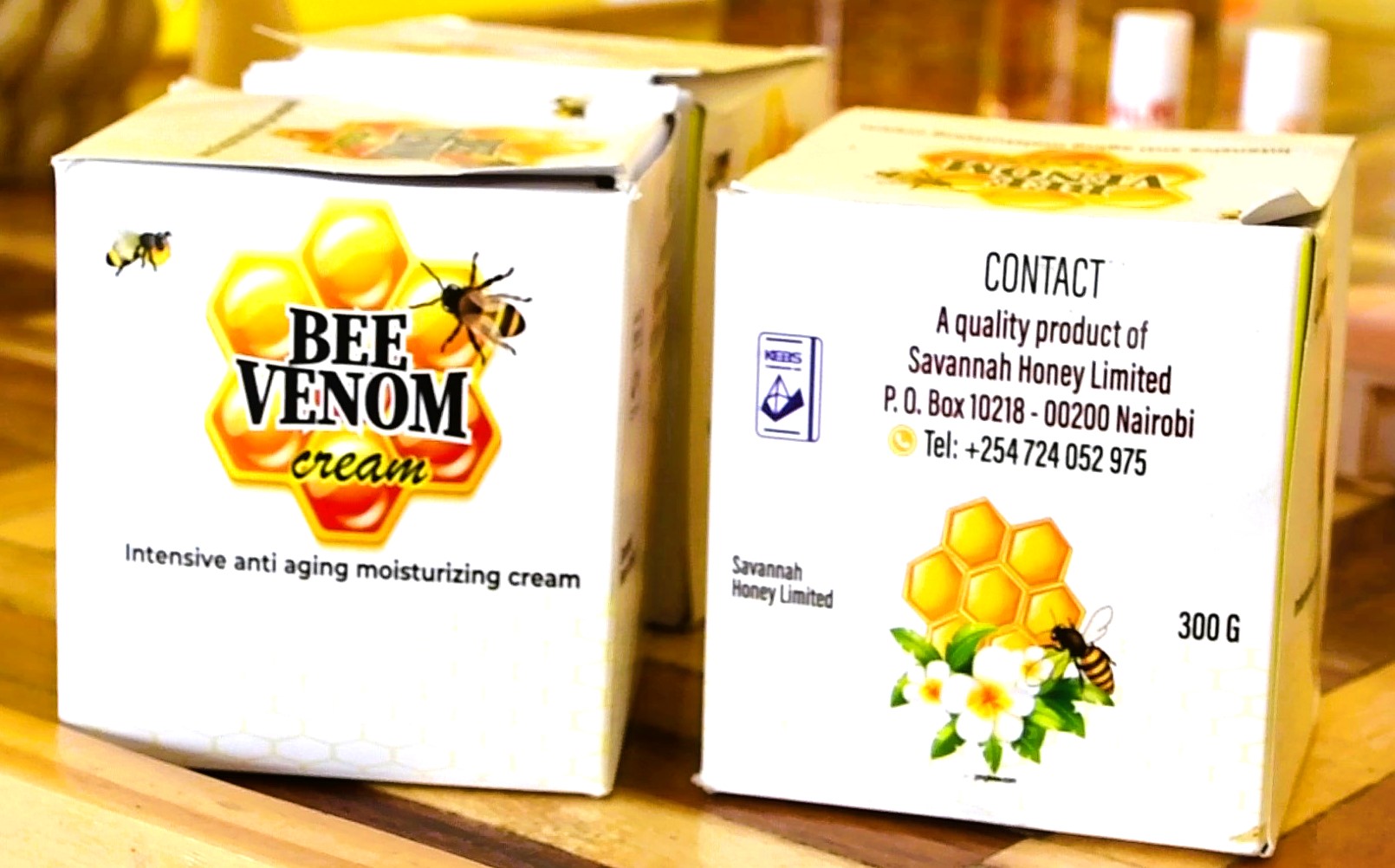
And from here, in Savannah Honey, we can coordinate the work of the 52 African countries in relation to the training, sensitisation, collection, preservation, and even the transportation and marketing of the bee venom. In addition to our international market, we have also developed a chain of production for cosmetic products. And we are the only company in Africa making, for example, bee venom cream.
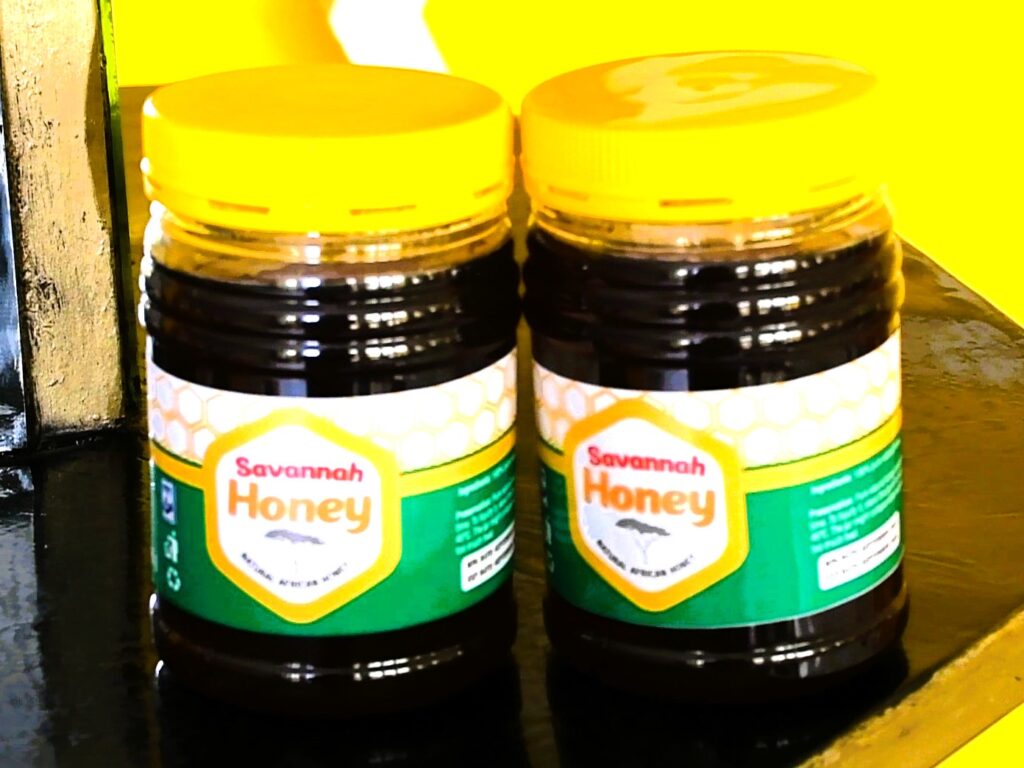
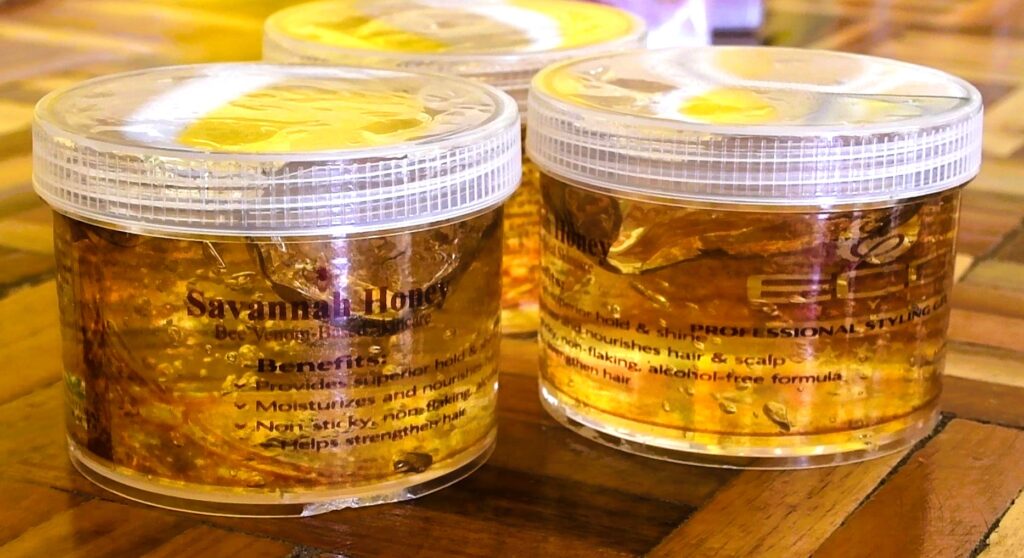
The bee venom cream is an intensive anti-ageing cream. One thing with the bee venom is that it contains a lot of peptides, which are the proteins that are responsible for the renewal of the skin. And that has made bee venom cream the most expensive cream in the world. And what goes for around 400 grammes for KShs 23,000, we are now able to make it in Africa and sell at KShs 4,500. And it’s serious in terms of regenerating the skin, as ladies apply it within a very short period, like four or five weeks, and they start looking like under-18s.
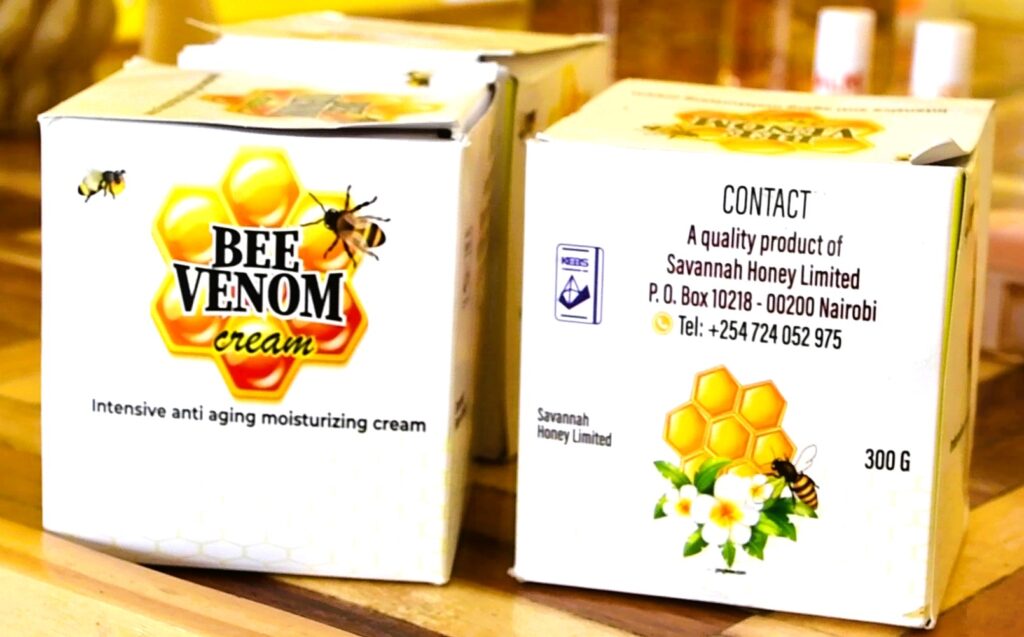
We’ve been able to produce other cosmetic products using the venom. When you apply the sunscreen, the peptides renew your skin. We have the moisturiser and the styling gel for the ladies to style their hair. We have the bee venom oil for hair growth, which many people have used now, and it has treated their baldness, including me. I used to be bald, and my hair came back. We also have the bee venom for beard growth, toners, and serums.
We are the only company in Africa, again, making the bee venom honey. And many people have been importing bee venom honey for arthritis. We have got the venom mixed with the honey at a very high pressure, which now makes it easily admissible in the body system. You take the honey three times or two times a day for quite some period, and your arthritis is gone. At the same time, an American university also in the year 2024, August, discovered that bee venom handles breast cancer.
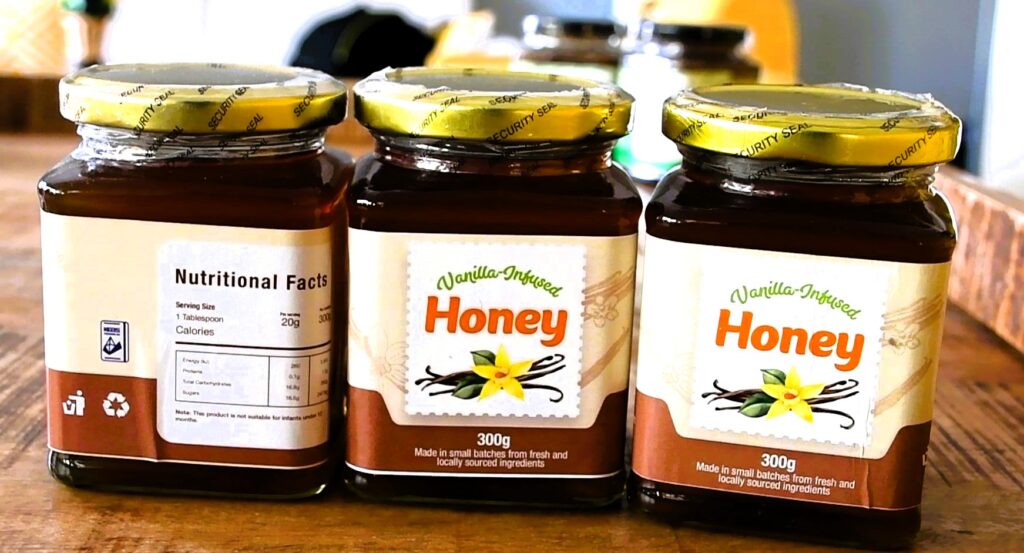
For HIV patients, those who take the bee venom honey have their viral load so low that it cannot be detected. But of course, after some time, if somebody does not use it, it comes back again. And now they just have the HIV. But the beauty of the bee venom honey in terms of HIV is that by lowering the viral load, this person lives a very normal life.
We have orders for bee venom honey from as far as Angola, Nigeria, Togo, and across the continent.
We are buying the bee venom at KShs 4,000 a gram, which is KShs 4 million per kilogram.
One issue that affects most farmers is that they invest, have a good harvest, but when it comes to the market, they don’t find buyers. How do you solve that?
Our main business is to sell beekeeping products that include honey. We have an exclusive market for honey that is not touched by human hands, and that’s why we ensure our clients get honey extractors. When they’re harvesting using their gloves and using the honey extractors, the honey is 100% hygienic because we use the machines.
We buy from them, and that’s why we serve our clients free of charge, so that the production is high, so that we can also make higher profits.
Not many people had embraced beekeeping as a business. Has that changed?
Actually, beekeeping was taken as a poor man’s business, and we had to do a lot of sensitisation, which we still do.
We told people that beekeeping can work in every part of the country. They don’t need a lot of land and time in the beekeeping project. The project does not need a lot of inputs, and it has a ready market, and as a result, we have seen a lot of people now getting into the enterprise, not only in the very dry areas, but now we have people doing beekeeping across the country.
We have people doing beekeeping even in very cold places, like in Molo and Limuru. We have beekeepers in the entire Kakamega, Siaya, Bungoma, Busia, Homa Bay, etc., in addition to the areas where it has been practised traditionally.
Do we have farmers who have embraced beekeeping for diversification from other crops?
Many farmers have realised that bees are very important even in the pollination of the particular crops that they’re already growing, because bees affect the entire ecosystem.
There are many farmers doing coffee, avocado, and even macadamia. They actually are engaging us so that we get them beehives to increase their pollination because studies have shown that every time you have beehives in your coffee farm, your production goes up by 27%.
In addition, they also realise that, in addition to making money from their coffee or the avocado, the beehive is already a big source of income. For example, if you’re harvesting the honey and you get 10 kilogrammes per harvest and you harvest a minimum of three times in a year, that’s already 30 kilogrammes, and if we can buy from you, maybe at a minimum price of KShs 500, that’s already KShs 15,000 per one particular hive. So, if this client had 50 hives, that’s already KShs 750,000 in addition to whatever they’re getting from their coffee or from their avocado.
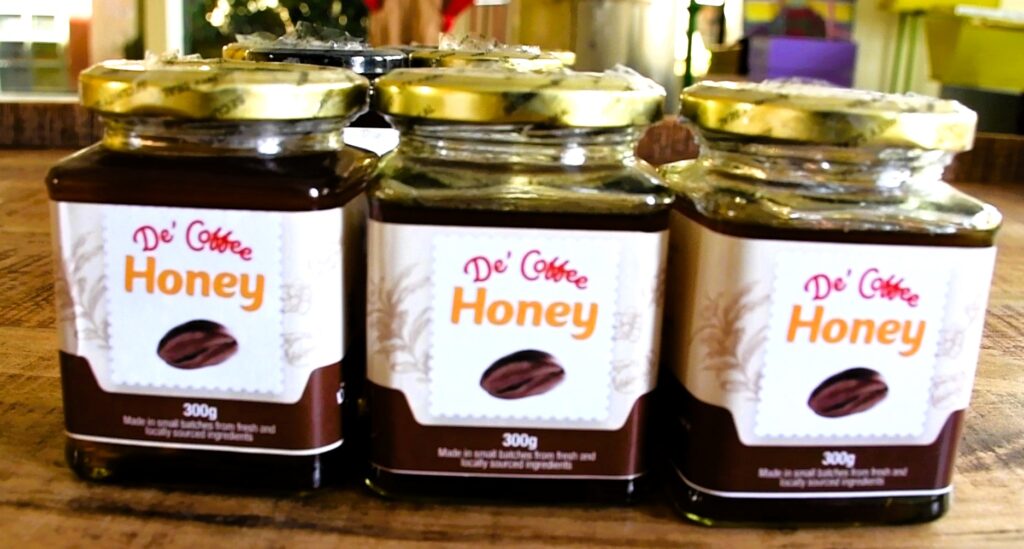
Again, the same farmer will be able to get bee pollen, and they can get up to around plus or minus four kilogrammes in a year, and this we’re buying at KShs 6,800 per kg, that’s already KShs 26,000 per hive. If this farmer had 50 hives, that’s already over a million. In the same hive, the client will be able to harvest bee venom, and they can get at least 10 grams in a year. So, that means in a year, that beehive has given him KShs 40,000. So, if he had 50 hives, that’s already KShs 2 million.
Do you have plans for the youth and women?
Yes, and that’s why we are now partnering with several organisations to come on board. For example, we are working with the Kenya Youth Fund to support 10,000 youth who may not have the cash, but they want to engage in beekeeping. Savannah gives them free training and free technical support.
Then the youth fund gives them the financial support, and as a result, within a year, you realise these groups have started improving their economic ability.
By supporting the 10,000 youth to engage in beekeeping, we are witnessing a lot of transformation in society. Because one, we are enabling the youth to have an alternative source of livelihood. Actually, for some, it is their main source of livelihood. They can have some decent lives since we have been able to enable them to change from the negative vices, like a lot of drinking, a lot of crime and insecurities in the villages.
Likewise, by empowering women, we are giving them a means of having their own incomes, which, of course, directly goes to the improvement of their diets, their general family welfare, like school fees for their children, dressing, and shelter, even for the children. And generally, this improves their livelihood because there’s very minimal conflict with their husbands. Because as well, they are supporting their husbands and everybody, as a result of that, their home becomes happy.
This, of course, goes hand in hand with improving their health. Because, even as they take the honey and their incomes go higher, generally, the health of the family becomes better. And just so you know, once the woman has money in their home, a lot of good things will happen.
What is the vision for Savannah Honey for the future?
One is the vision of the technical support system, whereby we will have an apiarist in every one of our offices who serves our farmers in that area. More to that, we will have our farmers getting the equipment that they may need at a nearby location near where they are. And we are working to increase our offices to at least 23 by November 2026.
We are currently in seven countries in Africa, and by the year 2030, we target to be in 21 African countries. We want to be a household name in Africa by 2030.